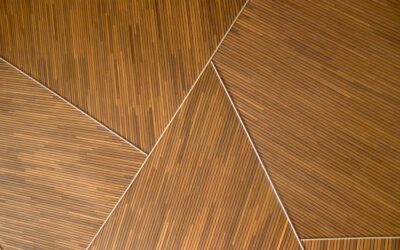
The “greige” trend that ruled American floors for a decade has run its course. Walk into any high-end remodel in 2026 and you will see warmer browns coming back — caramel oak, espresso walnut, hand-scraped hickory, and rich smoked finishes that read traditional but feel current. Brown wood flooring still covers more US homes than any other category, but the choices have multiplied: solid hardwood, engineered, wire-brushed, fumed, and hybrid waterproof versions all sit under the same umbrella with very different performance and price tags. This guide cuts through the noise and tells you what is worth paying for.
Why Brown Floors Are Coming Back
Three things are pulling the market back toward warm tones. Pinterest and Houzz searches for “warm wood floors” surged 64 percent between 2023 and 2025. Furniture is shifting toward boucle, leather, and walnut wood — which all clash with cool grey floors. And resale data shows neutral mid-brown flooring outperforming any single trend tone over a 10-year hold period.
The smart play in 2026 is mid-tone brown — natural oak, light walnut, fumed oak — rather than chasing the next bleached or charcoal extreme. Mid-browns hide dust, scratches, pet hair, and crumbs better than any other shade.
The Species That Define the Category
Five species cover roughly 90 percent of brown wood flooring sales in the US.
- White oak: The dominant species. Janka 1360, takes stain beautifully, ranges from natural blond to fumed espresso
- Red oak: Janka 1290, pinker undertone, more affordable, stains well to medium browns
- American walnut: Janka 1010 (soft for hardwood), naturally rich chocolate, no stain needed
- Hickory: Janka 1820, dramatic light-to-dark variation, rustic look
- Brazilian cherry (Jatoba): Janka 2350, deep red-brown that darkens with UV exposure
Janka hardness is a useful proxy for dent resistance — anything above 1300 handles family traffic well. Walnut’s lower number is the trade-off for its naturally beautiful color; expect more dents but a richer aesthetic.
Solid vs Engineered Construction
Solid brown wood flooring is 3/4-inch thick milled lumber. It can be sanded and refinished four to six times over a 75 to 100 year lifespan, and it shows the species’ natural figure perfectly. The downsides: it cannot go below grade or directly over concrete, it expands and contracts dramatically with humidity, and installation is nail-down only.
Engineered hardwood replaces the bottom two-thirds of the plank with a cross-laminated plywood core, leaving 3mm to 6mm of real wood veneer on top. Engineered handles concrete subfloors, basements, and radiant heat. A 4mm or thicker veneer can still be refinished twice — enough for any reasonable timeline. For most homeowners, engineered is the smarter buy.
Finish Options That Change Everything
Two finish technologies dominate. Aluminum-oxide UV-cured polyurethane is the factory standard — durable, glossy or satin, scratch-resistant, but cannot be spot-repaired. Hardwax oil finishes (Rubio Monocoat, Pallmann Magic Oil, Loba HS 2K Impact Oil) offer a softer, low-sheen look that ages with character and can be touched up in small areas without sanding the whole floor.
Wire-brushing adds another dimension. The brush removes the soft early-wood grain and leaves the harder late-wood standing slightly proud, creating texture that hides dents and scratches. For homes with kids, dogs, or high traffic, wire-brushed brown oak is the lowest-maintenance option in the category.
Realistic Pricing
- Solid red oak, 3-1/4 inch: $4–$7 per sq ft material; $4 install
- Solid white oak, 4-inch: $6–$10 per sq ft; $5 install
- Engineered white oak, 5-inch: $5–$10 per sq ft; $4 install
- Engineered walnut, 7-inch wide-plank: $9–$16 per sq ft; $5 install
- Hand-scraped hickory: $7–$12 per sq ft; $5 install
- Hybrid waterproof engineered: $7–$13 per sq ft; $4 install
For a 1,500 sq ft main level, expect total project costs from $15,000 (red oak, simple install) to $35,000 (premium walnut wide-plank). Add 15 to 20 percent if removing existing flooring is needed.
Choosing the Right Shade
Match the brown to the home’s natural light and the rest of the palette. North-facing rooms with cool blue-grey light pair best with warmer browns — caramel, honey, gunstock — to counteract the temperature. South-facing rooms with abundant warm light can handle cooler espresso or smoky browns without feeling muddy.
Cabinet color matters more than wall color. White cabinets work with any brown floor; espresso cabinets demand a contrasting medium oak; natural wood cabinets need a floor at least three shades darker or lighter to avoid blending.
Installation and Acclimation
Acclimate every brown wood flooring product for a minimum of 5 days at the home’s normal living conditions (60 to 80°F, 35 to 55 percent RH). Stack the cartons cross-stacked with spacers in the install rooms. Skip this and a winter heating cycle will gap every joint by 1/16 inch or more.
For nail-down installs over wood subfloor, use 16 to 18 gauge cleats every 6 to 8 inches with rosin paper or a vapor-retarder underlayment between subfloor and finish floor. Glue-down over concrete needs a moisture-cure urethane like Bostik Best with a documented slab moisture test under 75 percent RH.
Care That Keeps Brown Floors Looking Right
Brown floors show dust less than dark floors and scratches less than white floors, but they still need routine care. Vacuum weekly with a hard-floor head, damp-mop monthly with a pH-neutral cleaner like Bona Hardwood Floor Cleaner, and refresh polyurethane finishes every 3 to 5 years with a quality recoat. Hardwax oil finishes get a thin maintenance coat every 1 to 2 years in high-traffic zones.
Frequently Asked Questions
Which brown wood floor shade is most timeless?
Mid-tone natural white oak. It survives every design cycle and matches almost any cabinet and wall color.
Does brown flooring fade over time?
Yes — UV light shifts most stains by 10 to 20 percent over a decade. Walnut darkens; oak lightens. Use UV-blocking window films in sun-heavy rooms.
Can engineered hardwood look as good as solid wood?
With a 4mm or thicker sawn veneer, the visual is identical to solid plank. Sliced or rotary-peeled veneers under 2mm look noticeably flatter.
What is the most scratch-resistant brown wood option?
Wire-brushed hickory with aluminum-oxide finish. Janka 1820 hardness plus textured surface plus tough topcoat is the strongest combination.
Prefer to explore on your own?
See how new flooring looks in your actual room in seconds — free, no signup.
Try the free Floor Studio →