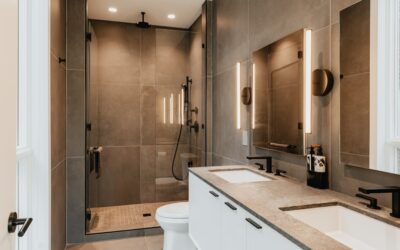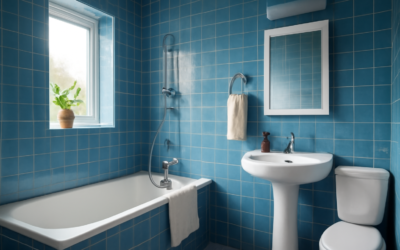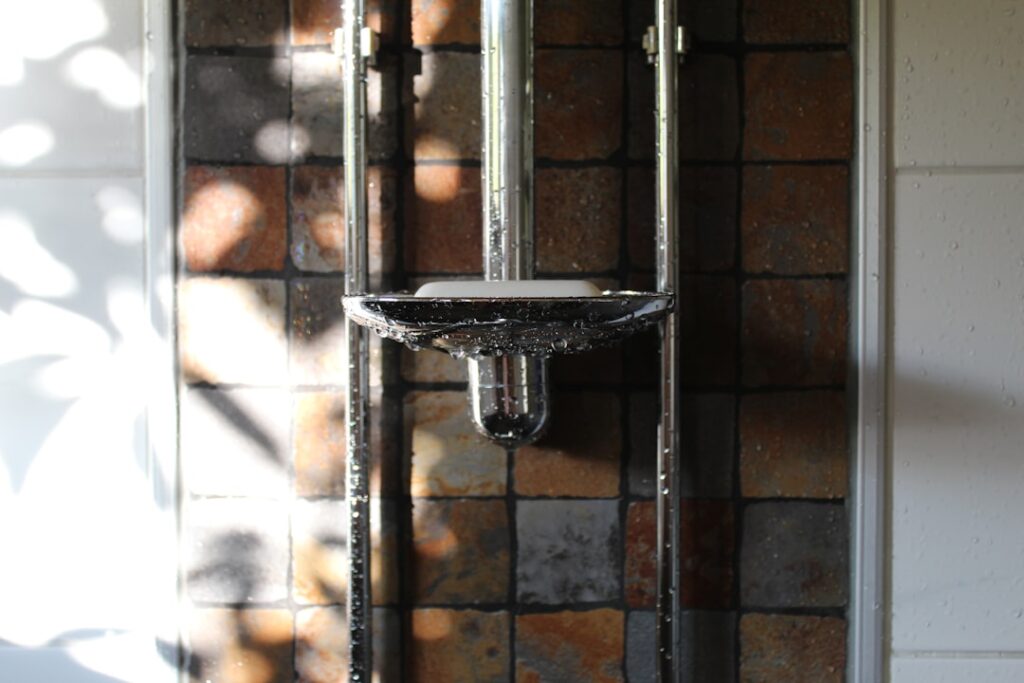
A brown tile bathroom delivers warmth, richness, and a grounded, spa-like feel that cooler grays and stark whites often miss. From sandy beige to deep espresso, brown tile creates an inviting, natural backdrop that pairs beautifully with stone, wood, and warm metals. Far from dated, today’s brown tones, especially in wood-look and stone-look finishes, feel sophisticated and timeless. If you want a bathroom that feels cozy rather than clinical, this guide covers the shades, materials, pairings, and layouts to get the look right.
Part of our Bathroom Remodeling & Flooring guide — explore the full guide →
Why Brown Works in a Bathroom
Brown is the color of natural materials, wood, stone, leather, and earth, so it brings an instinctive sense of warmth and calm to a space dedicated to relaxation. In a bathroom, that translates to a spa-like atmosphere that feels enveloping and serene. Brown also hides water spots, soap residue, and everyday grime better than bright white, making it forgiving in a high-use room. Because it functions as a warm neutral, brown coordinates with a huge range of accent colors and finishes, giving you flexibility as your taste evolves.
Choosing Your Shade of Brown
Brown spans a wide spectrum, and the shade you choose sets the room’s mood:
- Beige and sand: Light, airy browns that keep small bathrooms feeling open and bright.
- Taupe and greige: Brown-gray blends that read modern and pair with almost anything.
- Caramel and honey: Warm mid-tones that feel cozy and welcoming.
- Walnut and chocolate: Rich, deep browns for a dramatic, luxurious look.
- Espresso: The darkest tone, striking as an accent or floor in well-lit spaces.
In a small or low-light bathroom, lean toward lighter beige and taupe to avoid a cramped feel, and reserve deep walnut and espresso for larger or well-lit rooms, or use them as accents.
Tile Materials and Finishes
Brown tile comes in materials suited to every budget and style. Porcelain is the workhorse of bathrooms, durable, water-resistant, and available in convincing wood-look and stone-look browns. Natural stone such as travertine and marble offers genuine organic variation in warm brown tones, though it requires sealing. Ceramic provides an affordable option for walls and lighter-use areas. Wood-look porcelain plank is especially popular in brown, delivering the warmth of wood with the waterproof performance bathrooms demand. Choose a finish based on the surface: matte and textured tiles add slip resistance on floors, while glossy tiles brighten walls.
Where to Use Brown Tile
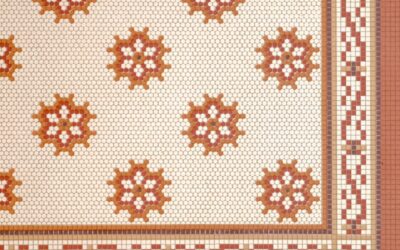
Brown tile is flexible enough for nearly every surface in the bathroom. As flooring, it grounds the room and hides dirt well, with wood-look planks adding warmth underfoot. On shower walls, brown stone-look tile creates a natural, enveloping retreat. A brown accent wall or niche adds depth without overwhelming the space, and brown mosaic borders introduce texture. You can go fully immersive with brown on floors and walls for a cocoon-like effect, or use it selectively against lighter surfaces for contrast. Decide how much warmth you want before settling on coverage.
Pairing Brown with Other Colors and Finishes
Brown’s neutrality makes pairing easy and rewarding:
- Cream and white: Lighten the palette and keep brown from feeling heavy.
- Brass and gold fixtures: Warm metals complement brown for a rich, cohesive look.
- Green accents: Plants and sage tones echo brown’s natural roots beautifully.
- Black hardware: Adds modern contrast and crisp definition.
- Wood vanities: Reinforce the organic, spa-like feel.
For balance, pair darker brown tile with lighter walls and counters, and bring in metallic or greenery accents to keep the space feeling fresh rather than monotone.
Layout and Grout Tips
Layout and grout choices refine the final look. Large-format brown tiles minimize grout lines for a clean, expansive feel that makes small bathrooms appear larger. Wood-look planks laid in a staggered pattern mimic real flooring, while a herringbone layout adds elegance. For grout, a tone close to the tile color creates a seamless look, whereas a slightly contrasting grout defines each tile. In wet areas, choose a stain-resistant grout, and remember that mid-tone grout hides grime better than stark white in a busy bathroom.
Cost Expectations
Brown tile costs depend on material, not color. As a general estimate, ceramic runs roughly $2 to $8 per square foot, porcelain including wood-look planks falls around $4 to $12, and natural stone ranges from about $7 to $20 or more. Professional installation typically adds $8 to $20 per square foot, with intricate layouts and small mosaics costing more. A full bathroom tile project varies widely with size and scope. Confirm current pricing with local suppliers, since material and labor costs differ by region.
Care and Maintenance
Brown tile is practical and easy to maintain. Wipe glazed porcelain and ceramic with a mild cleaner to remove soap scum and water spots, which show less on brown than on white. Keep grout lines clean with a soft brush, and seal grout and any natural stone on the manufacturer’s recommended schedule to resist moisture and staining. For floors, choose a textured or matte finish for slip resistance in wet conditions. With routine care, a brown tile bathroom retains its warm, inviting look for many years.
Bringing It All Together
Making a Small Brown Bathroom Feel Larger
Brown can absolutely work in a compact bathroom, but a few strategies keep it from feeling closed in. Choose lighter shades like beige, sand, and taupe for the main surfaces, and reserve deep walnut or espresso for small accents such as a niche, a border, or a vanity. Large-format tiles with minimal grout lines visually expand a small room, while running the same tile from floor up the walls reduces busy transitions that make a space feel choppy. Good lighting is essential, since brown reads richer and warmer in bright light and can feel heavy in dim conditions.
Reflective elements counterbalance the depth of brown beautifully. A large mirror, a glass shower enclosure rather than a curtain, and polished or satin fixtures bounce light around and add brightness. Keeping the ceiling and at least some wall area in a light cream or white prevents the brown from enveloping the room too completely. Glossy wall tile in the shower reflects more light than matte, which can help in a windowless bath. With these adjustments, even a small brown bathroom feels like a warm, intentional retreat rather than a dark box. The goal is to let brown provide cozy depth while light, reflection, and lighter tones keep the space open and inviting.
A brown tile bathroom offers warmth, forgiveness, and timeless style in equal measure. Whether you choose light sandy beige to keep a small space open or rich walnut for a luxurious retreat, brown provides a grounded, natural backdrop that pairs with countless finishes. Select a shade suited to your light, balance it with lighter elements and warm accents, and you will create a bathroom that feels like a genuine escape.
Prefer to explore on your own?
See how new flooring looks in your actual room in seconds — free, no signup.
Try the free Floor Studio →