Bullnose subway tile is the finishing piece that gives a tile installation its polished, professional edge, literally. A bullnose tile has one or more rounded, glazed edges designed to cap the border of a tiled area where it meets a wall, countertop, or open space. On a classic subway-tile backsplash or shower surround, bullnose pieces hide the raw, unfinished tile edge and create a smooth, rounded transition. Understanding when and how to use bullnose tile is the key to a backsplash or wall that looks intentional and complete rather than cut off. This guide covers everything you need to know.
Part of our Tile & Grout guide — explore the full guide →
- What Is Bullnose Tile?
- Why Edge Finishing Matters
- Common Sizes and Shapes
- Where to Use Bullnose Subway Tile
- Installation Tips
- Grouting and Finishing
- Bullnose vs. Modern Alternatives
- Common Mistakes to Avoid
- Color, Finish, and Material Choices
- How Much Bullnose to Order
- Finishing Your Tile Project Right
What Is Bullnose Tile?
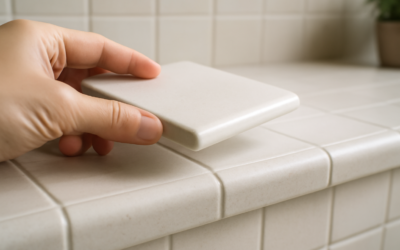
A bullnose tile is a trim piece with a rounded, finished edge. On most field tiles, all four edges are unglazed and slightly rough because they are meant to be hidden by grout and adjacent tiles. But at the perimeter of an installation, those raw edges would be exposed and ugly. A bullnose tile solves this by having a smooth, glazed, gently curved edge that faces outward, giving the border a clean, rounded finish. Subway tile bullnose pieces match the color and finish of the field tile so the transition is seamless.
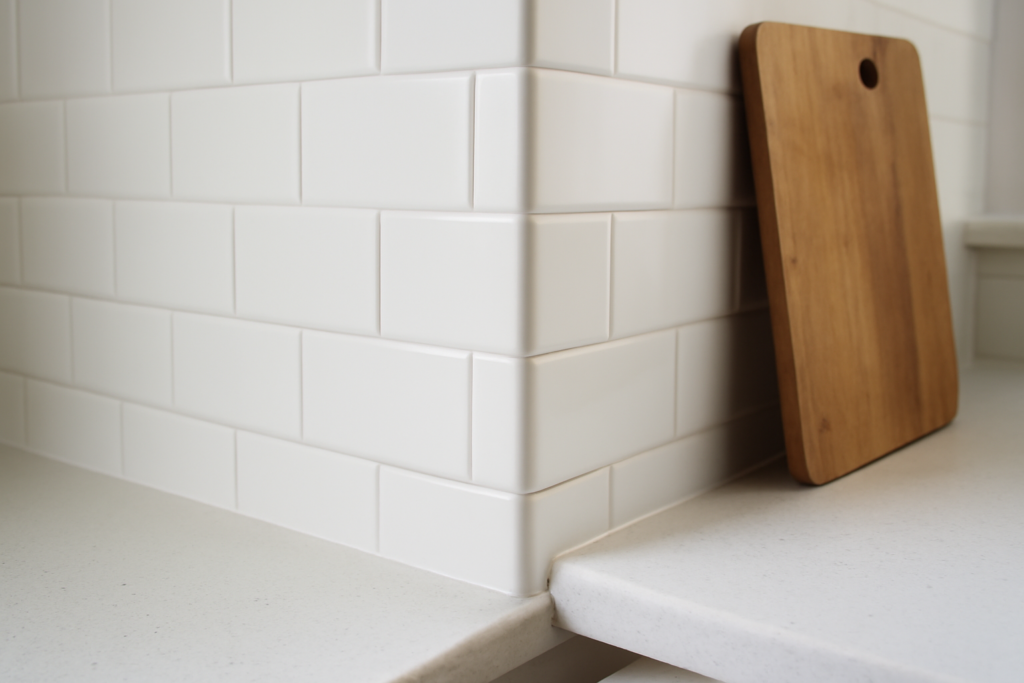
Bullnose comes in single-bullnose (one rounded edge) and double-bullnose (two adjacent rounded edges, used at outside corners) versions, so you can finish both straight runs and corners neatly.
Why Edge Finishing Matters
The edge treatment is what separates a DIY-looking job from a professional one. Consider what bullnose accomplishes:
- Hides raw edges: Covers the unglazed, sometimes jagged edge of cut or perimeter tiles.
- Softens transitions: The rounded profile is easier on the eyes and safer than a sharp square edge.
- Protects the tile: A finished edge resists chipping better than an exposed raw edge.
- Creates a complete look: Signals that the installation was planned and finished with care.
Common Sizes and Shapes
Subway tile is traditionally 3 by 6 inches, and bullnose trim is made to match, commonly in a 3-by-6 single-bullnose or a narrower 2-by-6 or 3-inch cap piece. As subway tile has evolved, bullnose is now available for popular variations like 4-by-12, 4-by-16, and other elongated formats. When shopping, confirm the bullnose matches your field tile’s exact color, finish (glossy or matte), and dye lot, because even small differences in glaze show at the border. Buying trim from the same manufacturer and collection as your field tile is the safest bet.
Where to Use Bullnose Subway Tile
Bullnose is used anywhere a tiled surface ends and needs a finished border. Common applications include:
- Backsplash edges: Where the backsplash meets the wall or ends at a cabinet or window.
- Shower and tub surrounds: Along the outer edges and top of the tiled area.
- Wainscoting: Capping the top of a partial tile wall.
- Outside corners: Using double-bullnose to wrap a corner cleanly.
- Window and niche borders: Finishing the exposed edges of recessed niches or tiled window returns.
Installation Tips
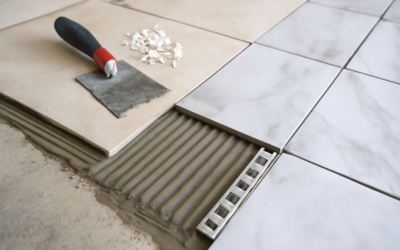
Installing bullnose is similar to setting field tile, with a few extra considerations. Plan your layout first so bullnose pieces land where the tile field ends, and dry-lay a row to check spacing. Set bullnose tiles with the same thinset mortar and spacers as your field tile, keeping grout lines consistent. The rounded edge should face outward and, at a top border, curve gently toward the wall. For outside corners, use double-bullnose pieces or miter two single-bullnose tiles for a clean wrap. Keep the finished edge flush with or slightly proud of the adjacent surface, and wipe away any thinset that squeezes onto the glazed edge before it dries.
Grouting and Finishing
Grout the bullnose joints just as you would the field, then caulk (rather than grout) the joint where the bullnose meets a dissimilar surface like a countertop, wall corner, or tub, using a color-matched flexible caulk. This accommodates movement and prevents cracking. Seal the grout once cured, especially in wet areas, to keep the finished border looking crisp. The exposed glazed edge of the bullnose needs no sealing since it is already finished.
Bullnose vs. Modern Alternatives
Bullnose has long been the standard, but it is not the only way to finish tile edges, and some designers prefer alternatives for a more contemporary look:
- Metal edge trim (Schluter): A slim aluminum, stainless, or brass profile that caps the tile edge with a crisp, modern line. Popular in current designs and ideal when no matching bullnose exists.
- Mitered edges: Two tiles cut at 45 degrees and joined for a seamless, frameless corner. Elegant but labor-intensive and prone to chipping if bumped.
- Pencil trim or liner tiles: Decorative narrow trim that adds a detail line at the border.
Many modern subway tiles, especially handmade-look and some porcelain lines, do not offer matching bullnose, which is why metal trim has surged in popularity. Choose based on your style: bullnose for a soft, traditional finish; metal trim for a sleek, modern edge.
Common Mistakes to Avoid
Watch out for these pitfalls. First, forgetting to order bullnose with your field tile; matching it later can be impossible if the line is discontinued or the dye lot changes. Second, mismatched finish or color at the border, which draws the eye. Third, grouting the caulk joints, leading to cracks. Fourth, poorly aligned bullnose that breaks the clean line of the border. Plan your edges before you start tiling, and order 10 percent extra trim for cuts and future repairs.
Color, Finish, and Material Choices
Bullnose subway tile comes in the same wide range of colors, finishes, and materials as field tile, and matching them precisely is what makes the border disappear. Ceramic is the most common and affordable subway tile material, with a durable glaze ideal for backsplashes and walls. Porcelain is denser and more water-resistant, better for high-moisture or higher-traffic areas, though bullnose is less commonly stocked and may require metal trim instead. Glass subway tile has a luminous quality but rarely offers matching bullnose, so glass installations usually rely on metal edge trim. On finish, glossy tile reflects light and brightens a space but shows water spots, while matte tile hides fingerprints and offers a softer, contemporary look; your bullnose must match whichever you choose. Color matching is critical because glaze can vary between production runs, so always order your bullnose at the same time as your field tile, ideally from the same box lot, to guarantee a seamless blend at the visible edge.
How Much Bullnose to Order
Calculating your bullnose needs prevents both shortages and waste. Start by identifying every edge that will be exposed: the ends of a backsplash, the top row where tile meets paint, the outer edges of a shower surround, and any window or niche returns. Measure the total linear footage of these exposed edges, then divide by the length of each bullnose piece (a 6-inch bullnose covers half a foot) to find the count, and add 10 to 15 percent extra for cuts, breakage, and future repairs. Remember that inside a backsplash between a countertop and upper cabinets, the bottom edge sits on the counter and the top meets the cabinet, so often only the vertical end edges need bullnose. For outside corners, count double-bullnose pieces separately. Keeping a few spare pieces after the job is wise, since matching a discontinued tile line years later is often impossible, and a single cracked border tile can otherwise force an unsightly mismatch.
Finishing Your Tile Project Right
Bullnose subway tile is the detail that elevates a backsplash or wall from unfinished to refined. By capping raw edges with a smooth, glazed curve, it delivers a soft, classic, complete look that has stood the test of time. Match your trim to your field tile, plan your layout and corners carefully, and caulk the transitions properly. Whether you choose traditional bullnose or a modern metal profile, finishing your edges well is what makes a tile project look truly professional.
Prefer to explore on your own?
See how new flooring looks in your actual room in seconds — free, no signup.
Try the free Floor Studio →