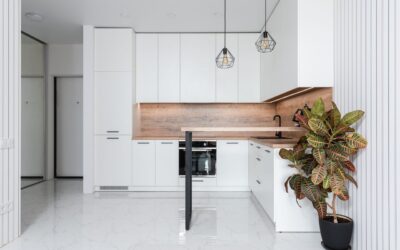
When comparing cabinet refacing vs painting cost, the numbers separate quickly: professional cabinet painting runs about $900 to $4,500 for an average kitchen, while cabinet refacing runs $4,500 to $12,000. Both cost a fraction of a full replacement, which starts around $12,000 and climbs past $30,000. This guide leads with the real pricing for each option, breaks it down per linear foot, and helps you choose the right one for your kitchen.
Part of our Kitchen Remodeling guide — explore the full guide →
Here is the bottom line up front before the detail:
- Painting cabinets (pro): $900 to $4,500 total; $30 to $60 per linear foot
- Painting cabinets (DIY): $200 to $600 in materials
- Cabinet refacing (pro): $4,500 to $12,000 total; $100 to $350 per linear foot
- Cabinet refacing (DIY veneer kit): $1,000 to $3,500 in materials
- Full replacement (for reference): $12,000 to $30,000+
A typical kitchen has about 25 to 30 linear feet of cabinetry, which is where these ranges come from. The more doors and drawers you have, the more both jobs cost, but refacing scales up faster because every door and drawer front gets physically replaced.
Cabinet Painting Cost in Detail
Painting keeps your existing doors, drawers, and boxes and refinishes them in a new color. Priced by the linear foot, professional painting runs $30 to $60 per foot, so:
- Small kitchen (15 to 20 ft): $900 to $1,800
- Average kitchen (25 to 30 ft): $1,800 to $3,500
- Large kitchen (35+ ft): $3,500 to $5,000+
What you pay for is prep and finish quality. A proper job means degreasing, sanding or deglossing, priming with a bonding primer like Zinsser B-I-N or STIX, and spraying two coats of a durable cabinet enamel such as Benjamin Moore Advance or Sherwin-Williams Emerald Urethane. Cutting corners on prep is why cheap cabinet paint jobs peel within a year. Timeline is 3 to 5 days for a pro crew, or a solid week of weekends for a DIYer.
Cabinet Refacing Cost in Detail
Refacing replaces the doors and drawer fronts entirely and covers the exposed cabinet boxes with a matching wood veneer or rigid thermofoil laminate. Your boxes and layout stay, but the visible surfaces are all new. Priced at $100 to $350 per linear foot:
- Small kitchen (15 to 20 ft): $3,000 to $6,000
- Average kitchen (25 to 30 ft): $4,500 to $9,000
- Large kitchen (35+ ft): $9,000 to $12,000+
The material you choose drives the spread. Rigid thermofoil (RTF) and laminate sit at the lower end; real wood veneer doors in oak, maple, or a stained finish sit at the top. Refacing also lets you swap in soft-close hinges, new drawer boxes, and updated hardware in the same project. A professional reface takes 2 to 4 days and is far less disruptive than a gut renovation because your countertops, plumbing, and layout are untouched.
DIY vs Pro for Each
Painting is the more DIY-friendly of the two. With $200 to $600 in primer, enamel, sandpaper, and a decent sprayer or foam rollers, a patient homeowner can do it. The risks are visible brush marks, dust in the finish, and inadequate cure time, but the downside of a mistake is just repainting.
Refacing DIY is harder. Peel-and-stick veneer kits run $1,000 to $3,500 and can look great, but veneering the boxes cleanly around corners and ordering perfectly sized replacement doors takes real precision. A misaligned door or a bubbled veneer is not easy to fix. Most homeowners are better off doing the paint themselves and hiring out refacing unless they are genuinely skilled with finish carpentry.
When Each Option Makes Sense
Choosing between them comes down to the condition of your doors, your timeline, and how long you plan to stay in the home. Painting makes sense when:
- Your doors and boxes are structurally solid and you like the door style.
- You want the biggest visual change for the least money.
- You have solid wood or MDF doors that take paint well.
- Budget is tight and you are open to DIY.
Painting is the clear value pick. For under $2,000 in most kitchens, you get a dramatically different look, which is why it is the most popular budget kitchen update. Refacing, on the other hand, makes sense when:
- Your door style is dated (raised-panel oak) and you want a new profile like a shaker.
- Your doors are damaged, warped, or delaminating and cannot be refinished.
- You want a real wood grain or a factory-smooth finish paint cannot match.
- You plan to stay 5-plus years and want a longer-lasting, higher-end result.
Refacing gives you a near-new kitchen look and a fresh, durable surface, which paint on old doors cannot fully replicate. It is the move when the doors themselves, not just the color, are the problem.
What Each Job Includes (and Hidden Costs)
Comparing quotes fairly means knowing what should be in the price. A proper paint quote should include degreasing, sanding or deglossing, filling grain or dents, a bonding primer, two finish coats sprayed or fine-rolled, and reinstalling doors with the existing hardware. Watch for extras: new hardware runs $2 to $10 per knob or pull, and if you want to fill old handle holes and drill new ones, add labor for that. Some painters charge more to paint interiors of cabinets or the insides of glass-front doors.
A refacing quote should include new doors and drawer fronts, veneer or laminate on all exposed box surfaces, new hinges, and installation. Common add-ons are new drawer boxes ($40 to $150 each), soft-close upgrades, a new toe-kick, matching crown molding, and replacing a cabinet or two that is beyond saving. Both jobs may reveal surprises once work starts, like water-damaged boxes under a sink, so keep a 10 to 15 percent contingency in your budget.
Durability and Resale Value
Durability is where the price gap starts to make sense. A quality sprayed enamel paint job holds up well for 8 to 10 years before high-touch areas around the sink and trash pull-out start to show wear, and it can be touched up or recoated. Refacing, because you get brand-new factory-finished doors and fresh veneer, typically looks good for 15 to 20 years and resists chips and moisture better, especially with thermofoil or laminate fronts. On resale, both read as an updated kitchen to buyers, but refacing more convincingly signals a recent renovation because the door styles and hardware are genuinely new. If you are updating to sell within a year or two, painting usually gives the better return on dollars spent; if you are staying put and want the update to last, refacing earns its premium.
Timeline and Disruption
Neither project rips your kitchen apart the way a full remodel does, but there is a difference. Painting means your doors come off and go to a shop or garage for spraying, so you live with open cabinet boxes for 3 to 5 days and cannot use the kitchen normally while boxes are being coated in place. Refacing keeps your cabinets usable for most of the 2-to-4-day job since the boxes stay put and crews swap doors and apply veneer section by section. Countertops, sink, plumbing, and appliances stay exactly where they are for both methods, which is the whole reason they cost a fraction of replacement. If minimizing kitchen downtime matters, refacing is marginally less disruptive day to day, while painting concentrates the mess into a shorter, more intense window.
Making the Call
The core of the cabinet refacing vs painting cost decision comes down to the condition of your doors and how long you plan to stay. If your boxes and doors are sound and you just want a new color, paint and pocket the savings. If the door style is dated or the doors are damaged, refacing is worth the premium and still costs half of a full replacement. Either way, both options save thousands over new cabinets and can transform a tired kitchen in under a week. Get at least two quotes, ask exactly what prep or materials are included, and match the method to your cabinets rather than just the sticker price.