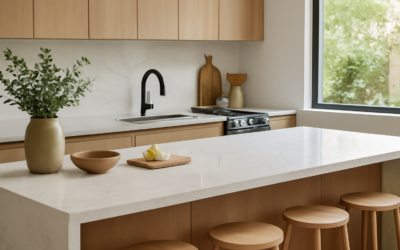
Caesarstone quartz countertops are among the most recognized names in engineered stone, and for good reason. Caesarstone helped popularize quartz surfacing, and the brand has become shorthand for durable, low-maintenance counters that mimic the look of marble and granite without the upkeep. If you are weighing quartz for a kitchen or bath remodel, understanding what Caesarstone is, how it performs, and what it costs will help you decide whether it fits your home and budget.
Part of our Countertops guide — explore the full guide →
What Caesarstone Quartz Actually Is
Caesarstone is engineered quartz, meaning the slabs are manufactured rather than quarried as solid stone. They combine crushed natural quartz with resins and pigments, compacted and cured into dense, consistent slabs. That engineered makeup is the key to quartz’s signature trait: it is nonporous, so it does not need sealing the way natural granite and marble do.
Because the color and pattern are designed rather than dug from the earth, quartz offers far more consistency from slab to slab than natural stone. You can pick a sample and expect your counter to look much like it, which simplifies planning.
Why Homeowners Choose Quartz
- Nonporous and low-maintenance: No sealing required, and the surface resists stains from coffee, wine, and oil.
- Durable: Quartz is hard and scratch-resistant under normal kitchen use.
- Consistent looks: Engineered patterns mean predictable color and veining.
- Hygienic: The nonporous surface gives bacteria fewer places to hide, which matters in kitchens.
- Wide design range: From convincing marble looks to solid colors and subtle stone textures.
Popular Looks and Finishes
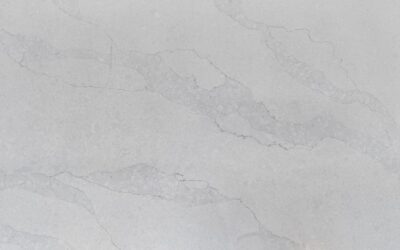
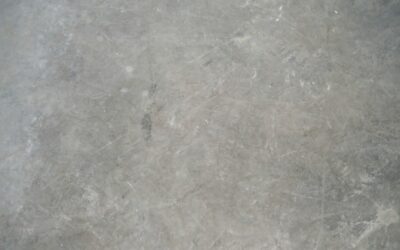
Caesarstone offers everything from crisp solid whites and warm neutrals to dramatic marble-inspired veining and concrete-look matte surfaces. Marble-look quartz is especially popular because it delivers the elegant veined appearance of marble without marble’s tendency to etch and stain. Solid and lightly speckled tones suit modern and minimalist kitchens.
Finishes range from polished, which is glossy and reflective, to honed and textured matte surfaces that read more contemporary and hide fingerprints better. The finish changes both the look and how the counter feels and shows everyday smudges.
Durability and Limitations
Quartz handles daily cooking, cutting on a board, and normal spills with ease. That said, it is not indestructible, and two limits are worth knowing. First, the resins in quartz can be damaged by high heat, so always use trivets and never set a hot pan directly on the surface. Second, while quartz is highly stain-resistant, prolonged exposure to harsh chemicals or strongly colored substances should still be wiped up promptly.
Quartz is generally recommended for indoor use, since prolonged direct sunlight can cause some quartz to fade or discolor over time. For an outdoor kitchen, a UV-stable surface is a better fit.
Caring for Caesarstone Counters
Maintenance is refreshingly simple. For everyday cleaning, use mild dish soap and warm water with a soft cloth. Avoid abrasive scrubbing pads and harsh or highly alkaline cleaners, and skip anything containing bleach for routine use, as aggressive chemicals can dull the surface over time.
For dried-on messes, a gentle nonabrasive cleaner and a little patience lift them without scratching. Always use trivets under hot cookware and cutting boards under knives, and the surface will look new for many years.
Cost Expectations
Quartz countertops, including Caesarstone, typically fall in the range of roughly $50 to $120 per square foot installed, with premium designs and complex fabrication landing at the higher end. Total cost depends on the slab series you choose, your counter square footage, edge profile, and local installation rates. While quartz often costs more than laminate, its durability and zero-sealing upkeep make it a strong long-term value.
How It Compares to Other Surfaces
Against granite, quartz wins on maintenance since it never needs sealing, while granite offers a fully natural look and excellent heat tolerance. Against marble, quartz is far more stain and etch resistant, making it the practical choice for busy kitchens that want the marble look. Against laminate, quartz costs more but vastly outlasts and outperforms it. The right pick depends on how much upkeep you want and how much you value natural stone character.
Edge Profiles and Thickness Options
Like natural stone, quartz can be fabricated with different edge profiles that change the look. A simple eased or straight edge suits modern kitchens, a beveled edge adds a crisp line, a bullnose softens corners, and a mitered edge can create a thick, substantial look or a waterfall island. The edge you choose affects both appearance and fabrication cost, with more elaborate profiles costing more.
Slab thickness also varies, commonly around 2 or 3 centimeters. Thicker slabs feel more substantial and may not need additional support buildup, while thinner slabs can be mitered to appear thicker at the edge. Discuss thickness and edge options with your fabricator, since they influence the final price and the overall feel of the counter.
Working With a Fabricator
Quartz is sold and installed through fabricators who template, cut, and set the slabs, so the installer matters as much as the material. Ask to see full slabs rather than small chips, since veining and color read differently across a large surface. Confirm how seams will be placed and minimized, especially on long runs and islands, because a well-planned seam is far less noticeable.
Get the warranty details in writing, including what the manufacturer covers and what the fabricator covers for the installation itself. A reputable fabricator will walk you through slab selection, seam placement, sink and cooktop cutouts, and the edge profile before any cutting begins, which is your best protection against surprises on install day.
Final Word
Caesarstone quartz countertops deliver a durable, nonporous, low-maintenance surface with a huge range of looks, from marble-inspired veining to clean solids. Protect them from high heat with trivets, clean with mild soap and water, keep them indoors out of constant sun, and they will serve a busy kitchen for decades. For homeowners who want the beauty of stone without the sealing and fuss, engineered quartz is one of the most popular choices on the market.