
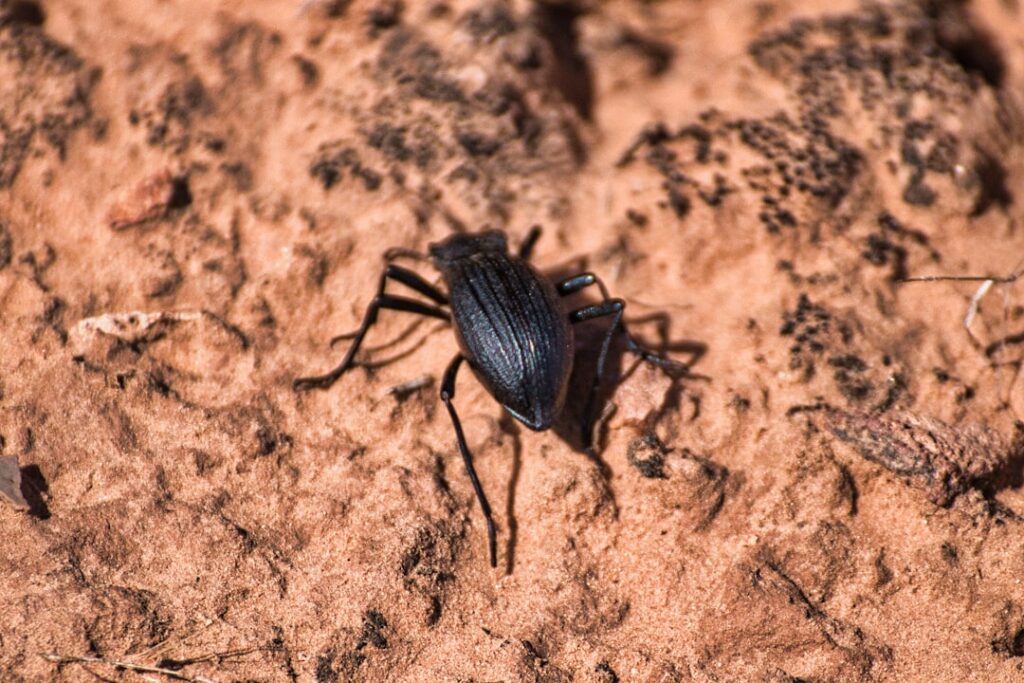
If you have spotted tiny oval beetles near a window or found small bare patches in a wool rug, you may be dealing with a common household pest. The carpet beetle Utah homeowners encounter is a small, persistent insect whose larvae feed on natural fibers, stored food, and other protein-rich materials found throughout the home. While the adults are harmless flower-feeders, the larvae do the damage, and they can quietly chew through clothing, carpet, and upholstery before you notice them.
This guide explains how to identify carpet beetles, why Utah’s environment can suit them, and the practical, EPA-aligned steps you can take to control and prevent an infestation. The goal is simple, effective management using cleaning and prevention first, with professional help reserved for stubborn cases.
Identifying Carpet Beetles
Carpet beetles go through a complete life cycle, and the two stages you are most likely to see look very different. Adults are small, roughly an eighth of an inch long, oval, and often mottled with black, white, brown, or orange scales. They are drawn to light and are frequently found on windowsills or near doors as they try to get outdoors to feed on pollen.
The larvae are the destructive stage. They are slightly longer than the adults, carrot-shaped or fuzzy, and covered in bristly hairs, ranging from tan to dark brown. Larvae avoid light and hide in dark, undisturbed places. Look for them along baseboards, under furniture, inside closets, and in air ducts. Shed larval skins and tiny pellet-like droppings are common signs even when you cannot find the insects themselves.
Why Carpet Beetles Show Up in Utah Homes
Utah’s generally dry climate does not stop carpet beetles, because these insects do not need much moisture to thrive the way many pests do. They feed on dry organic materials, so a dry indoor environment with plenty of wool, silk, leather, feathers, pet hair, and pantry goods can support them just fine. Adults often enter homes in spring and summer after feeding on flowers outdoors, then lay eggs in protected indoor spots near a food source.
Across the state, from Salt Lake City to St. George, homes with natural-fiber rugs, stored woolens, taxidermy, or accumulated lint and pet dander provide everything the larvae need. Because the larvae develop slowly and hide well, an infestation can build for months before the damage becomes obvious.
Signs of an Infestation
Catching the problem early limits the damage. Watch for these telltale clues:
- Irregular bare spots or holes in wool carpet, rugs, or clothing
- Damage concentrated in dark, low-traffic areas like closet corners and under heavy furniture
- Shed bristly larval skins that look like the larvae themselves
- Small adult beetles gathering at windows
- Thinning or shedding on upholstered furniture made with natural fibers
- Damage to stored items such as blankets, felt, and decorative feathers
Because clothes moths cause similar fabric damage, confirming you are seeing beetles rather than moths helps you target your response correctly. A useful difference is that moth damage often comes with silky webbing or cocoon-like cases, while carpet beetle damage tends to be cleaner-edged and accompanied by those distinctive bristly shed skins. If you are unsure, save a sample insect in a small container so a professional can identify it precisely.
Where Carpet Beetles Hide in the Home
Knowing the larvae’s favorite hiding spots makes your cleaning far more effective. They gravitate toward quiet, dark places where their food collects undisturbed. Concentrate your inspection and vacuuming on the following areas:
- Closet floors and the corners of drawers where wool, felt, and lint gather
- Underneath and behind heavy furniture that rarely gets moved
- Along carpet edges, baseboards, and beneath area rugs
- Inside heating and air-conditioning ducts and floor vents, where pet hair and dust settle
- Attics and crawl spaces, especially near old bird, rodent, or wasp nests that provide a steady food supply
- Stored items such as blankets, decorative feathers, dried flowers, and natural-bristle brushes
Treating only the visible damage while ignoring these hidden harborages is the most common reason an infestation lingers and returns.
Practical Steps to Control Carpet Beetles
The most effective control combines thorough cleaning with physical removal, in line with integrated pest management practices recommended by the EPA. Start with these steps:
- Vacuum thoroughly and often, paying special attention to carpet edges, under and behind furniture, closet floors, and along baseboards. Vacuuming removes eggs, larvae, and the lint and hair they feed on. Empty the vacuum or dispose of the bag promptly.
- Launder or dry-clean affected fabrics. Washing infested clothing and linens in hot water, or running them through a hot dryer, kills all life stages. Items that cannot be washed can be dry-cleaned.
- Use heat or cold for delicate items. Sealing items in a bag and placing them in a freezer for several days can kill larvae on materials you cannot wash.
- Remove or clean the food sources. Discard or thoroughly clean badly infested rugs, and store woolens in sealed containers.
- Inspect and clean hidden harborages such as vents, attics, and old bird or rodent nests near the home, since these can sustain populations.
Prevention Tips for Utah Homeowners
Once you have cleared an infestation, prevention keeps it from returning. Regular, consistent cleaning is your best long-term defense:
- Vacuum carpets and upholstery weekly, and deep-clean seldom-used areas seasonally.
- Store seasonal clothing, blankets, and woolens in airtight bins or vacuum-sealed bags.
- Keep pantry items in sealed containers and clean up spilled dry goods and pet food.
- Reduce clutter where lint and hair accumulate, especially in closets and basements.
- Install or repair window screens to limit adults flying in during warm months.
- Periodically check stored natural-fiber items and decorative pieces for early signs.
When to Call a Professional
Many carpet beetle problems respond well to diligent cleaning, but some situations call for expert help. If the infestation is widespread, keeps returning despite your efforts, or has spread into wall voids, ductwork, or multiple rooms, contact a licensed pest control professional in your area. A qualified technician can inspect for hidden sources, identify the species accurately, and apply treatments according to the product label and local regulations.
When choosing any pest service, verify that the company is properly licensed and insured, and ask exactly what their treatment involves. Always follow label directions on any insecticide product, since the label is the law and protects both your household and the environment. With a steady mix of cleaning, prevention, and professional support when needed, the carpet beetle Utah households face is a manageable nuisance rather than a lasting problem.
Prefer to explore on your own?
See how new flooring looks in your actual room in seconds — free, no signup.
Try the free Floor Studio →

