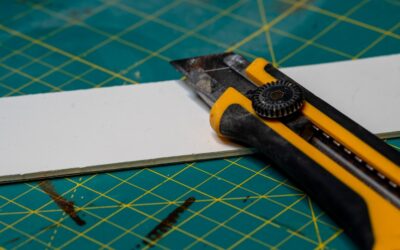
A carpet cutter tool is the difference between a clean, professional-looking installation and a frayed, crooked mess. Whether you are replacing wall-to-wall carpet, trimming a remnant for a basement room, or fitting a runner on a staircase, the right cutter lets you slice through dense pile and backing in one confident pass. This guide walks you through the main types, how to choose one, and how to use it without ruining your material or your fingers.
What a Carpet Cutter Tool Actually Does
Carpet is tougher than it looks. The pile sits on a primary backing, and most products add a secondary backing plus a layer of latex adhesive. A standard utility knife will eventually get through it, but it tends to wander, snag the fibers, and leave a ragged edge that unravels later. A dedicated cutter is built to handle that resistance with a sharp, supported blade and a body designed for control.
The job breaks down into two cuts: the rough cut, where you size a piece from a roll, and the finish cut, where you trim along walls and seams for a tight fit. Different tools shine at each, which is why most installers carry more than one.
Common Types of Carpet Cutters
Knowing the categories helps you match the tool to the work in front of you.
- Utility knife with hook blades: The everyday workhorse. A retractable utility knife fitted with curved hook blades pulls through backing cleanly and protects the blade tip from skating across the floor.
- Loop-pile (row) cutter: A small slotted tool that slides between rows of loop carpet so you cut between tufts instead of through them, leaving an invisible edge.
- Carpet trimmer / wall trimmer: A boxy tool that rides against the baseboard and trims excess carpet at a consistent height where it meets the wall.
- Cushion-back cutter: Designed for carpet tiles and cushion-backed goods, giving a square edge for tight seams.
- Electric or shear cutters: Powered tools used mostly by pros for high-volume work; overkill for a single room.
How to Choose the Right One
For a one-time project, a quality utility knife and a pack of hook and straight blades will cover most needs and cost very little. Plan on roughly $10 to $30 for a solid knife and a blade assortment. If you are installing patterned loop carpet or want seams to disappear, add a row cutter for another $10 to $25. Renting a wall trimmer from a flooring or tool-rental outlet makes sense for whole-room jobs where edge consistency matters.
Look for a comfortable grip, tool-free blade changes, and a sturdy metal body. Cheap plastic handles flex under pressure, which is exactly when a blade slips. Buy more blades than you think you need; carpet dulls steel fast, and a dull blade is both slower and more dangerous.
How to Use a Carpet Cutter Tool Step by Step
Working methodically keeps your cuts straight and your hands safe.
- Measure twice and snap a chalk line or lay a straightedge where you want to cut.
- Flip the carpet face-down when making rough cuts; cutting from the backing side is cleaner and lets you follow the backing’s grid.
- Set the blade depth so it just clears the backing, not deeper than necessary.
- Pull the knife toward you in a single, steady stroke, keeping the blade angled slightly and your free hand well clear of the path.
- For loop carpet, run a row cutter along the natural gap between tufts rather than slicing through the pile.
- Trim the final edge against the wall with a trimmer or by tucking and cutting with a hook blade.
Safety Practices You Should Not Skip
Carpet blades are extremely sharp, and the force you apply to get through backing is exactly what causes deep cuts when something slips. Always cut away from your body and keep your stabilizing hand behind the blade, never in front of it. Wear cut-resistant gloves and eye protection, because blade fragments and stray fibers can fly.
Retract or sheath the blade the instant you set the tool down, and change blades the moment they start dragging. Dispose of used blades in a sealed container, not loose in the trash. Work on a stable surface, keep kids and pets out of the room, and follow the manufacturer’s instructions for your specific tool. If a cut feels like it needs dangerous amounts of force, stop and fit a fresh blade.
Caring for Your Tool and Blades
A carpet cutter rewards a little maintenance. Wipe the blade and body after each session to remove latex residue and fibers, which build up and gum the action. Store blades dry so they do not corrode, and keep the knife’s slider mechanism free of grit. Most hook and straight blades are disposable, so do not bother sharpening them; the time you spend honing is rarely worth it compared with a fresh edge that costs pennies.
For row cutters and trimmers, check that guides and rollers move freely and replace worn blades per the maker’s guidance. Treated well, a basic carpet cutter tool lasts for years and many projects.
When to Call a Professional
Plenty of carpet projects are well within reach for a confident do-it-yourselfer, especially smaller rooms, closets, and stair runners. That said, large open areas with seams down the middle of a room, expensive patterned carpet, or installations over stairs with tricky geometry can be unforgiving. A visible, lumpy seam or a wavy edge is hard to fix after the fact.
If your carpet is costly, the layout is complex, or you simply want a guaranteed result, hiring an installer is money well spent. For everything else, the right carpet cutter tool, a sharp supply of blades, and a careful approach will get you a clean, lasting result you can be proud of.
Tips for Cleaner Cuts Every Time
A few habits separate ragged amateur work from clean, confident cuts. Always start with a fresh or freshly sharpened blade, because more frayed edges and slips come from dull blades than from any other cause. Mark your cut line clearly with chalk or a marker on the backing, then cut just outside the line on the waste side so you can trim to an exact fit afterward rather than cutting short.
Let the tool do the work instead of forcing it. If you find yourself leaning hard into the cut, the blade is either dull or set too shallow, and forcing it is exactly when the knife jumps and causes injury. For long, straight runs, clamp or firmly hold a metal straightedge and guide the blade along it in smooth, overlapping strokes rather than trying to power through in one heavy pass. On thick or stiff carpet, score the backing lightly first, then go back over the line with slightly more pressure. Keeping a scrap piece nearby to test your blade depth and angle before committing to the real cut saves expensive material and builds your confidence quickly.