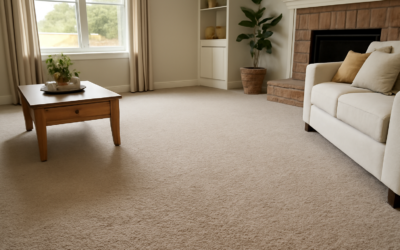
Carpeting an entire home is one of the biggest comfort upgrades you can make, and one of the easiest to get wrong if you treat every room the same. The choice you make for a low-traffic master bedroom should not be the choice you make for stairs pounded by kids and pets. Deciding to carpet house-wide means matching fiber, pile, and padding to how each space is actually used, then budgeting realistically. This guide breaks down the whole process room by room, walks through what it costs, and lays out the honest pros and cons so you go in with clear eyes.
Should You Carpet the Whole House?
Wall-to-wall carpet still makes sense in plenty of homes. It is warmer underfoot than hard flooring, quieter, softer for kids and older adults, and it is the most affordable floor covering per square foot. Many owners choose carpet upstairs, where bedrooms and hallways benefit from warmth and sound-dampening, and keep hard flooring on the main level. Others carpet nearly everything for a cozy, uniform feel. Neither is wrong; it depends on climate, lifestyle, and resale expectations in your market.
Carpet Types to Know
Before you plan room by room, get familiar with the fibers and pile styles you will be choosing among.
- Nylon: The most durable and resilient fiber. Best for stairs, hallways, and family rooms. Mid to high price.
- Polyester and PET: Soft, stain-resistant, and vividly colored at a lower cost. Great for bedrooms; less resilient under heavy traffic.
- Triexta: A newer fiber with strong stain resistance and good durability, popular in homes with pets.
- Olefin (polypropylene): Moisture- and fade-resistant, common in basements and loop-pile Berbers.
- Wool: Luxurious, naturally resilient, and long-lasting, but the most expensive and the most demanding to maintain.
Pile style matters too: plush and Saxony cut piles look formal but show footprints, textured cut piles hide traffic, and loop-pile Berbers resist crushing but can snag pet claws.
Room-by-Room Choices
The heart of a smart carpet house plan is picking the right product for each space rather than buying one carpet for everything.
Bedrooms
Comfort leads here. A soft, thick polyester or PET plush in a mid-tone color is ideal, paired with an 8-pound rebond pad for a cushioned step. Traffic is light, so you can favor feel over toughness.
Stairs and hallways
These take the most abuse in the house. Choose a dense, low-profile nylon in a textured cut or tight loop that resists crushing and hides soil. Skip thick plush on stairs; it wears at the nosing and can feel unstable.
Family and living rooms
Balance comfort and durability with a solution-dyed nylon or triexta. If you have pets, triexta’s stain resistance earns its keep. A medium tone with a subtle fleck disguises everyday soil between cleanings.
Basements
Moisture is the concern. Use olefin or a synthetic loop carpet, and consider carpet tiles so you can replace a damaged section without redoing the whole floor. Always pair with a moisture-appropriate pad.
Where to skip carpet
Keep hard, water-resistant flooring in kitchens, bathrooms, laundry rooms, and entryways. Carpet in these wet, high-spill zones stains, holds odor, and traps moisture.
The Padding Underneath Matters
Homeowners obsess over the carpet they can see and ignore the pad they cannot, which is backwards. The pad, or cushion, is what determines how the carpet feels underfoot and how long it lasts. A cheap, thin pad lets the carpet fibers grind against the subfloor with every step, crushing the pile and voiding many manufacturer warranties.
For most rooms, an 8-pound-density rebond pad at 7/16 inch thickness is the sweet spot. Bedrooms can go slightly thicker and plusher for luxury underfoot; stairs and heavy-traffic areas want a firmer, denser pad so the carpet does not flex and wear at the edges. In basements, choose a pad with a moisture barrier. Spending an extra $0.20 to $0.30 per square foot on quality cushion is the single best value in the whole project, because it protects the far more expensive carpet on top.
How Long a Carpet House Project Takes
Timing surprises people. Once you have chosen your carpet, most retailers need one to three weeks to order and receive it, especially for anything beyond a stocked builder grade. Installation itself is fast: a professional crew can carpet an average three-bedroom home in a single day, sometimes two if there are many stairs, complex seams, or old flooring to tear out first.
Plan the logistics ahead of time. Furniture has to be moved out of every room being carpeted, so either pay the installer to move it or clear the rooms yourself the night before. Doors may need to be trimmed slightly to clear thicker new carpet and pad. Air out the rooms for a day or two after installation, since new carpet can release a faint odor as it off-gasses, which fades quickly with ventilation.
What It Costs to Carpet a House
Total cost depends on square footage, fiber, and pad quality. Installed pricing, including carpet, pad, and labor, generally runs:
- Builder-grade polyester: $2 to $3.50 per square foot
- Mid-grade nylon or triexta: $4 to $6 per square foot
- Premium nylon or wool: $7 to $15 per square foot
For a typical 2,000-square-foot home carpeting roughly 1,200 to 1,400 square feet of it (leaving hard floors in wet rooms), expect a realistic range of $4,000 to $9,000 installed with a mid-grade product. Do not cheap out on the pad; a good 6- to 8-pound rebond pad costs only $0.30 to $0.60 per square foot but can double the carpet’s usable life and dramatically improve how it feels.
Additional line items to plan for: old-flooring removal and disposal ($0.50 to $1.50 per square foot), furniture moving, and stairs, which are priced per step ($10 to $25 each) because they take extra labor.
Pros and Cons of Carpeting a Whole House
Weigh the tradeoffs honestly before committing the whole floor plan.
Advantages
- Warm and soft underfoot, especially in cold climates
- Best sound absorption of any flooring, cutting echo between floors
- Lowest upfront cost per square foot
- Safer, more forgiving surface for young children and slips
- Fast to install compared with tile or hardwood
Drawbacks
- Holds dust, dander, and allergens more than hard surfaces
- Shorter lifespan, typically 7 to 15 years before replacement
- Stains and odors are harder to fully remove
- Some buyers prefer hard flooring, which can affect resale in certain markets
For allergy-sensitive households, choosing low-pile carpet, using a HEPA vacuum, and scheduling professional deep cleaning once a year offsets much of the dust concern.
Planning Your Project
Start by measuring each room and adding about 10 percent for waste, seams, and pattern matching. Get at least three quotes, and make sure each one lists the specific fiber, face weight, and pad, not just a lump sum, so you are comparing equal products. Order all the carpet for connecting areas from the same dye lot to avoid subtle color mismatches at doorways.
Done thoughtfully, a carpet house project delivers warmth, quiet, and comfort at a price hard flooring rarely matches. The winning strategy is simple: durable nylon or triexta where feet pound, plush polyester where comfort rules, moisture-smart olefin below grade, and hard flooring left in the wet rooms. Match the carpet to the room and your whole home will look and feel right for years.