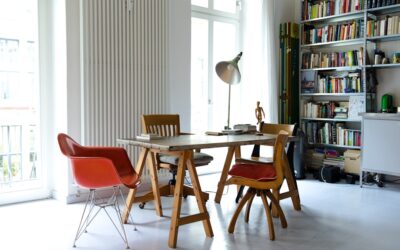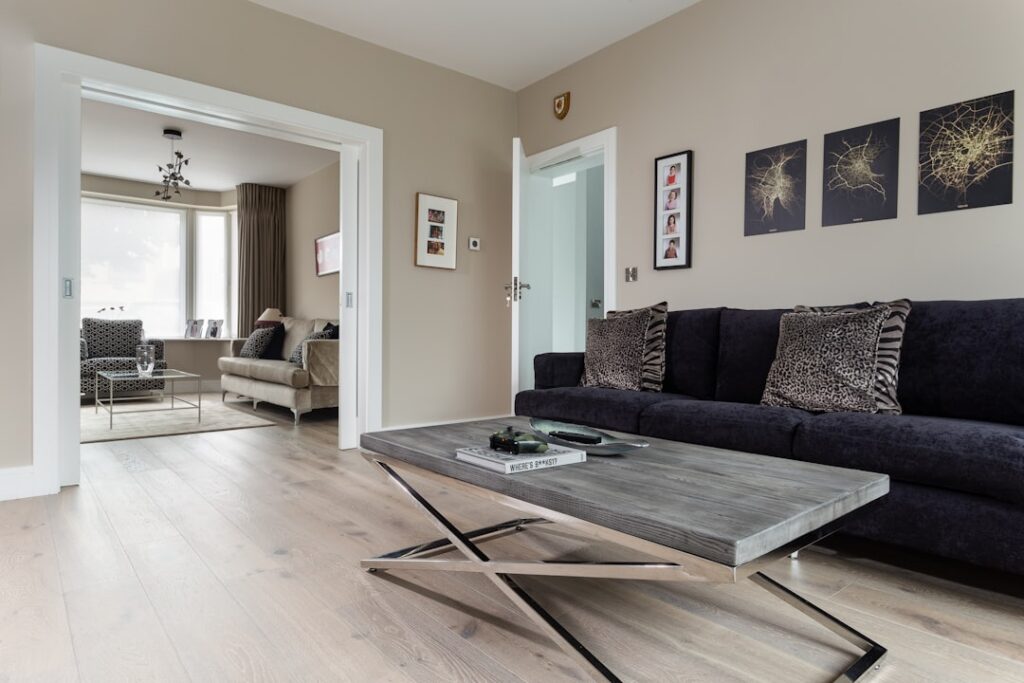
A tile house — a home with tile flooring throughout every room — is one of the most durable and low-maintenance flooring strategies you can choose. Once considered a design choice limited to bathrooms and kitchens, whole-home tile has become increasingly popular across all climate zones, especially with advances in large-format porcelain that mimics hardwood, stone, and concrete with stunning realism.
Part of our Tile & Grout guide — explore the full guide →
With over 30 years of flooring installation experience in both residential and commercial settings, we have helped hundreds of homeowners plan and execute whole-house tile projects. This guide covers room-by-room recommendations, the pros and cons of tiling your entire home, realistic cost expectations, climate considerations, and maintenance strategies that keep tile looking new for decades.
Why Choose Tile for Your Whole House
The tile house concept has gained momentum for several practical reasons beyond just aesthetics. Homeowners who tile every room benefit from:
Unmatched durability: Porcelain and ceramic tile outlasts every other residential flooring material. A quality tile installation can last 50 to 100 years — often outliving the home itself. There are no wear layers to erode, no finishes to scratch off, and no planks to warp.
Complete water resistance: Unlike hardwood, laminate, and even luxury vinyl, properly installed and grouted tile is fully waterproof. This makes it ideal not just for bathrooms and kitchens but for laundry rooms, entryways, mudrooms, and basements.
Visual continuity: Running the same tile throughout the home creates a seamless flow that makes spaces feel larger, more cohesive, and more modern. There are no awkward transitions between flooring materials at doorways and room boundaries.
Hypoallergenic: Tile does not harbor dust mites, pet dander, mold, or allergens the way carpet and even hardwood can. For families with allergies or asthma, a tile house provides the cleanest possible indoor environment.
Design versatility: Modern tile comes in virtually unlimited formats, colors, patterns, and textures. Wood-look porcelain, concrete-look tile, marble-look porcelain, and textured stone reproductions give you any aesthetic without the maintenance drawbacks of natural materials.
Room-by-Room Tile Recommendations
Each room in a tile house has different functional requirements. Here is how to choose the right tile for every space:
Kitchen:
- Porcelain tile rated for moderate to heavy traffic (PEI 3 to 4)
- Matte or textured finish for slip resistance around sinks and cooking areas
- Large format (12×24 or 24×24) minimizes grout lines for easier cleaning
- Avoid high-gloss polished tile near the stove and sink — grease and water make it dangerously slick
Living room and family room:
- Large-format porcelain (24×24, 24×48, or larger) for a spacious modern look
- Wood-look planks (6×36 or 8×48) for a warmer, more traditional feel
- PEI 3 rating is sufficient for residential living areas
- Pair with area rugs for added warmth and comfort in seating areas
Bedrooms:
- Wood-look porcelain planks are the most popular choice — they provide the warmth of hardwood without cold tile feel
- Light traffic rating (PEI 2 to 3) is adequate
- Consider in-floor radiant heating to eliminate cold-floor discomfort
- Use bedside rugs for bare-foot comfort on morning wake-ups
Bathrooms:
- Slip-resistant textured tile is mandatory — look for DCOF (dynamic coefficient of friction) rating of 0.42 or higher
- Smaller format tiles (mosaic, 4×4, or 6×6) for shower floors — more grout lines create more traction
- Porcelain over ceramic for better water resistance, especially in shower enclosures
- Coordinate floor tile with wall tile and shower tile for a cohesive bathroom design
Entryway and mudroom:
- Heavy-duty porcelain rated PEI 4 to 5 for maximum durability
- Textured or matte finish to hide dirt and provide traction when wet
- Dark or medium-toned colors hide tracked-in dirt between cleanings
- Consider slate-look or stone-look tile for a natural, robust entryway statement
Laundry room:
- Water-resistant porcelain tile rated for moderate traffic
- Slip-resistant finish is important in a space with frequent water exposure
- Lighter colors make it easier to spot leaks from appliances early
Best Tile Types for Whole-Home Use
For a tile house project, selecting the right tile type is critical. Not all tiles perform equally across every room and condition.
Porcelain tile:
- Best overall choice for whole-house tiling
- Water absorption rate under 0.5% (virtually waterproof)
- Available in every size, color, and style imaginable
- Through-body porcelain maintains its color even when chipped
- Cost: $3 to $15 per square foot for material
Ceramic tile:
- More affordable than porcelain ($1 to $8 per square foot)
- Higher water absorption rate (3 to 7%) — fine for dry areas but not ideal for bathrooms or basements
- Softer body is easier to cut for DIY projects
- Good choice for bedrooms, living rooms, and dry hallways in a budget-focused tile house
Natural stone tile:
- Marble, travertine, slate, and limestone offer authentic natural beauty
- Requires sealing and more maintenance than porcelain
- Porous surface is susceptible to staining without proper care
- Cost: $5 to $30+ per square foot
- Best used as accent areas rather than whole-house unless maintenance commitment is understood
Rectified tile:
- Edges are precision-ground after firing for exact dimensional uniformity
- Allows installation with minimal grout lines (1/16 to 1/8 inch)
- Creates the most seamless, continuous look — ideal for whole-house continuity
- Requires a perfectly level subfloor due to the thin grout joints
For a full tile house, we recommend porcelain as the primary material throughout, with natural stone reserved for accent walls, fireplace surrounds, or feature areas where its unique character adds impact without creating a whole-house maintenance burden.
Pros and Cons of a Tile House
Being honest about the trade-offs helps you make an informed decision:
Pros:
- Longevity: 50 to 100+ year lifespan with proper installation
- Waterproof: No warping, swelling, or water damage when grouted properly
- Hypoallergenic: Does not trap allergens, dust mites, or mold
- Low maintenance: Regular sweeping and mopping is all that is required
- Design flexibility: Unlimited styles from wood-look to marble-look to concrete-look
- Resale value: Quality tile adds significant value, especially in warm-climate markets
- Eco-friendly: Natural materials, long lifespan, no VOC emissions
- Radiant heat compatible: Tile is the best conductor for in-floor heating systems
Cons:
- Cold underfoot: Without radiant heating, tile floors feel cold in northern climates
- Hard surface: Standing for long periods causes foot and leg fatigue, dropped items are more likely to break
- Grout maintenance: Grout lines require periodic sealing and can discolor without proper care
- Higher installation cost: Professional tile installation costs more than LVP, laminate, or carpet
- Noise: Hard tile reflects sound, creating more echo in open spaces
- Difficult to change: Removing tile is labor-intensive and messy — this is a long-term commitment
- Cracking risk: On improperly prepared subfloors or in settling homes, tiles can crack
Cost Guide for Whole-House Tile
Tiling an entire tile house is a significant investment. Here is what to expect for a 1,500-square-foot home:
Material costs per square foot:
- Budget porcelain: $2 to $4
- Mid-range porcelain: $4 to $8
- Premium porcelain (large format, wood-look, designer): $8 to $15
- Natural stone: $8 to $30+
- Grout, mortar, and supplies: $1 to $2 per square foot
Installation labor per square foot:
- Standard straight-lay: $4 to $8
- Diagonal or herringbone pattern: $6 to $12
- Large format (24×48 and larger): $6 to $10 (requires more precise subfloor prep)
- Mosaic or intricate patterns: $8 to $15
Total installed cost for 1,500 sq ft of floor area:
- Budget: $10,500 to $21,000
- Mid-range: $13,500 to $27,000
- Premium: $22,500 to $40,500
These costs are higher than LVP or laminate ($4 to $10 per square foot installed) but comparable to quality hardwood ($8 to $15 per square foot installed). The difference is that tile lasts two to three times longer than any of those alternatives, making the cost-per-year significantly lower over the home’s lifetime.
Climate Considerations
Climate plays a major role in whether a tile house makes practical sense for your location.
Warm climates (Southern US, Florida, Texas, Arizona, California):
- Tile is ideal — cool surfaces feel comfortable in hot weather
- Excellent for homes with significant humidity and moisture exposure
- Whole-house tile is the regional standard in many warm-climate markets
- Reduces cooling costs by absorbing less heat than carpet
Moderate climates (Mid-Atlantic, Pacific Northwest, upper South):
- Tile works well with the addition of area rugs in living areas and bedrooms
- Radiant floor heating is a worthwhile investment for cold-month comfort
- Wood-look porcelain provides visual warmth even when the surface is cool
Cold climates (Northeast, Midwest, Mountain West):
- Tile feels uncomfortably cold for 5 to 7 months per year without radiant heating
- Radiant floor heating is highly recommended — budget an additional $6 to $15 per square foot for electric or hydronic systems
- If radiant heating is not in the budget, limit tile to kitchens, bathrooms, entryways, and mudrooms while using hardwood or carpet in bedrooms and living areas
Humid and coastal climates:
- Tile excels in high-humidity environments where hardwood warps and carpet molds
- Porcelain’s near-zero water absorption makes it immune to humidity damage
- Perfect for beach houses, lake homes, and flood-prone areas
Achieving Design Continuity Room to Room
The visual payoff of a tile house comes from the seamless flow of flooring from room to room. Here is how to achieve it:
Use one tile throughout. Select a single tile for the majority of your home — typically a neutral large-format porcelain or a wood-look plank. Run it continuously through living areas, hallways, bedrooms, and kitchen without transitions. This creates the strongest visual continuity.
Accent rooms with complementary tile. Bathrooms and the entryway can use a different but coordinating tile to create visual interest while maintaining cohesion. Choose accent tiles in the same color family or that share a design element with the primary tile.
Minimize grout width. Use rectified tile with 1/16 to 1/8-inch grout joints for the cleanest look. Match the grout color to the tile color (light grout with light tile, dark grout with dark tile) to minimize the visual impact of grout lines.
Plan the layout before installation. Tile layout should be planned for the entire home as one continuous field. Starting points, grout line alignment between rooms, and cut tile placement at walls should all be planned in advance to avoid awkward transitions and narrow slivers of cut tile at doorways.
Handle transitions carefully. Where tile meets a different flooring material (a carpeted bedroom, for example), use a quality transition strip that sits flush. Schluter Reno-T or similar profiles provide clean, durable transitions without creating a trip hazard.
Maintenance and Long-Term Care
Keeping a tile house looking new requires minimal effort, but a few practices make a big difference over decades:
Daily/weekly:
- Sweep or dust-mop to remove grit that can scratch glazed surfaces and dull finishes over time
- Damp-mop with warm water and a pH-neutral tile cleaner weekly
- Wipe up spills promptly — tile is waterproof but grout can stain
Monthly:
- Deep-clean grout lines with a grout-specific cleaner and a soft brush
- Inspect for cracked or loose tiles, especially in high-traffic areas
Annually:
- Seal grout lines with a penetrating grout sealer (cement-based grout only — epoxy grout does not need sealing)
- Check caulk joints where tile meets tubs, showers, and countertops — replace if cracked or peeling
Avoid:
- Vinegar and acidic cleaners on natural stone or unglazed tile
- Steel wool or abrasive pads on glazed surfaces
- Excessive water pooling on grout lines — mop, do not flood
- Dragging heavy furniture without felt pads — even tile can chip under impact
Frequently Asked Questions
Is it a good idea to tile the entire house?
For warm and moderate climates, whole-house tile is an excellent choice. It is the most durable residential flooring, completely waterproof, hypoallergenic, and virtually maintenance-free. In cold climates, whole-house tile works best when paired with radiant floor heating. Without it, bedrooms and living areas can feel uncomfortably cold during winter months.
What is the best tile for a whole house?
Large-format porcelain tile (24×24 or larger) in a neutral color is the best choice for whole-house tiling. Porcelain has the lowest water absorption, highest durability, and widest style range. Wood-look porcelain planks are particularly popular because they combine the visual warmth of hardwood with the performance benefits of tile.
How much does it cost to tile a whole house?
For a 1,500-square-foot home, expect to pay $10,500 to $40,500 depending on tile quality and installation complexity. The average mid-range project costs $15,000 to $25,000. This is more than LVP or laminate but less than premium hardwood when you factor in the 50-plus-year lifespan of quality tile.
Does tile flooring increase home value?
Yes, quality tile flooring adds value, particularly in warm-climate markets where it is the expected standard. Well-installed porcelain tile in neutral tones appeals to broad buyer demographics. Unique or overly trendy tile choices may narrow appeal. The key is choosing timeless styles that will still look current in 10 to 15 years when you sell.
Is tile flooring too cold for bedrooms?
Tile feels cooler than hardwood or carpet, which is noticeable in bedrooms where you step onto the floor barefoot. The solution is radiant floor heating (adds $6 to $15 per square foot) or simply using area rugs beside the bed. In warm climates, the cool surface is actually a benefit, keeping bedrooms comfortable on hot nights.
Prefer to explore on your own?
See how new flooring looks in your actual room in seconds — free, no signup.
Try the free Floor Studio →