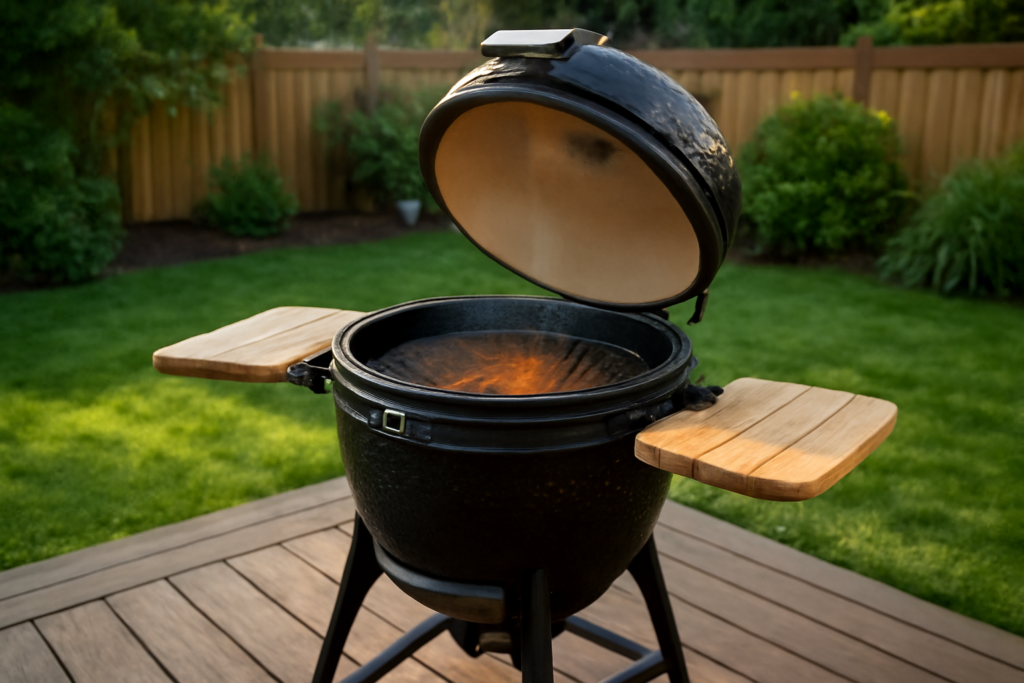
For backyard cooks who want to grill, smoke, and even bake on a single piece of equipment, a ceramic charcoal grill is hard to beat. Often called a kamado, this egg-shaped cooker uses thick ceramic walls to trap heat and moisture, producing remarkably juicy results and rock-steady temperatures over long cooks. It costs more than a basic kettle grill, but its versatility and efficiency win over serious grillers. Here is how it works and how to use one well.
Part of our Tile & Grout guide — explore the full guide →
What Makes a Kamado Different
A kamado grill descends from ancient clay cooking vessels and is built from heavy, heat-retaining ceramic. Those thick walls act like a kiln, holding heat with very little charcoal and radiating it evenly. The design seals tightly, so adjusting the top and bottom vents gives you precise control over airflow and therefore temperature. The result is a cooker that ranges from low-and-slow smoking around 225°F to searing heat well above 600°F.
Why Cooks Love Them
The appeal of a ceramic charcoal grill comes down to a few standout strengths:
- Excellent heat retention: stable temperatures with minimal fuel
- Moisture retention: the sealed dome keeps food from drying out
- Wide temperature range: smoke, grill, sear, and bake in one unit
- Fuel efficiency: a single load of lump charcoal can last many hours
- Durability: the ceramic body holds up for many years with care
The trade-offs are weight, a higher price, and a learning curve, since the grill heats up and cools down slowly compared to a thin metal grill.
Choosing the Right Size
Kamado grills are sold by the cooking grate diameter. Smaller models around 13 to 15 inches suit couples, small patios, and portability. The most popular size sits around 18 inches, comfortably feeding a family and most gatherings. Large units of 20 inches or more handle big cookouts and multiple racks of ribs at once. Buy for your typical crowd, since an oversized grill wastes fuel on small cooks.
Fuel and Accessories
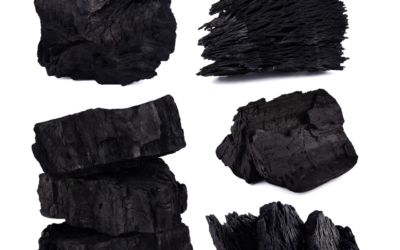
Use natural lump charcoal rather than briquettes in a kamado. Lump lights faster, burns cleaner, produces less ash, and responds better to airflow adjustments. A few accessories greatly expand what the grill can do, including a heat deflector plate for indirect cooking and smoking, a quality grill thermometer, and a chimney starter or electric starter for lighting coals without lighter fluid. Add wood chunks for smoke flavor on longer cooks.
How to Cook on a Ceramic Grill
Controlling temperature is the core skill. Follow this general approach:
- Fill the firebox with lump charcoal and light a small area, not the whole pile, for low-and-slow cooks.
- Open both vents fully to bring the grill up toward your target temperature.
- As you approach the target, begin closing the vents to settle the temperature; the grill responds slowly, so adjust early and in small steps.
- Add a heat deflector for indirect cooking when smoking or baking.
- Resist opening the dome often, since each peek releases heat and lengthens the cook.
Patience pays off. Because the ceramic holds heat so well, overshooting your target temperature is easy and slow to correct, so creep up to it rather than blasting past it.
Fire and Use Safety
Charcoal cooking demands respect for fire and heat. Always grill outdoors in a well-ventilated area, never indoors or in an enclosed space, because charcoal produces carbon monoxide. Keep the grill on a stable, noncombustible surface away from siding, railings, and overhangs. When opening a hot dome, “burp” it by cracking it open a few inches first to prevent a backdraft flare-up from the sudden rush of oxygen. Wear heat-resistant gloves, keep children and pets clear, and let coals cool completely before disposing of ash.
Cleaning and Care
Maintenance is simple but important for longevity. After cooking, you can run the grill hot for a short burn-off to carbonize residue on the grates. Empty cooled ash regularly so airflow stays unobstructed. Protect the grill from the elements with a cover, and avoid sudden extreme temperature swings, which can stress the ceramic. Check and replace the felt gasket around the dome when it wears so the grill keeps its tight seal.
Ceramic Versus Metal Charcoal Grills
Comparing a kamado with a traditional metal kettle or barrel grill highlights why people make the switch. Metal grills are inexpensive, lightweight, and heat up fast, which makes them great for quick weeknight grilling, but their thin walls lose heat quickly and burn through more charcoal. A ceramic grill costs more and is heavy, yet it holds temperature for hours on a single load of fuel, retains moisture for juicier results, and reaches a far wider temperature range for smoking and baking. If you grill occasionally and value low cost, metal is fine. If you want one cooker that does everything and sips fuel, ceramic justifies the investment.
What You Can Cook
The versatility of a ceramic grill is its real selling point. At low temperatures with a heat deflector, it smokes brisket, pork shoulder, ribs, and whole poultry over many hours with steady results. At medium heat it roasts chicken and vegetables and bakes bread or pizza, the high dome acting like an oven. At high heat it sears steaks and burns a crust on burgers. With a cast iron pan or pizza stone added, the same grill handles dishes you would normally make indoors. Few backyard cookers match this range, which is why kamado owners tend to use theirs year-round.
Is a Ceramic Charcoal Grill Right for You?
If you want one cooker that can sear a steak, smoke a brisket, and bake a pizza, a ceramic charcoal grill delivers exceptional versatility and flavor. It rewards patience and a willingness to learn airflow control, and it asks for a higher upfront investment. For the dedicated backyard cook, that investment pays off in efficient, consistent, deeply flavorful food for many years.
Setup and First Cook Tips
Getting started with a new kamado goes more smoothly with a few first-cook habits. Assemble the grill carefully, making sure the firebox is seated correctly and the gasket seals the dome, since the tight seal is what makes the grill efficient. Run a low-temperature break-in cook the first time rather than blasting it to high heat, which lets the gasket and ceramic settle. Learn to light only a small section of charcoal for low temperatures and a larger area for high heat, and remember that the grill takes time to come up and to cool down. Keep a leftover bed of unburned lump charcoal for the next cook, since kamado charcoal is reusable. With a little practice reading the vents, you will dial in your favorite temperatures quickly and cook with confidence.
Prefer to explore on your own?
See how new flooring looks in your actual room in seconds — free, no signup.
Try the free Floor Studio →