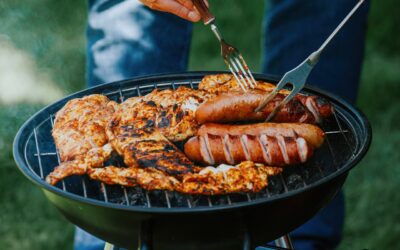
If you have ever wondered why a steakhouse grill tastes different from your backyard kettle, the answer usually comes down to fuel. Hardwood charcoal, often sold as lump charcoal, is simply hardwood that has been burned in a low-oxygen environment until only carbon remains. It lights faster than briquettes, burns hotter, and leaves a fraction of the ash. For homeowners who care about both their cooking and the oak, maple, or hickory underfoot, understanding this material clears up a surprising amount of confusion.
What Hardwood Charcoal Actually Is
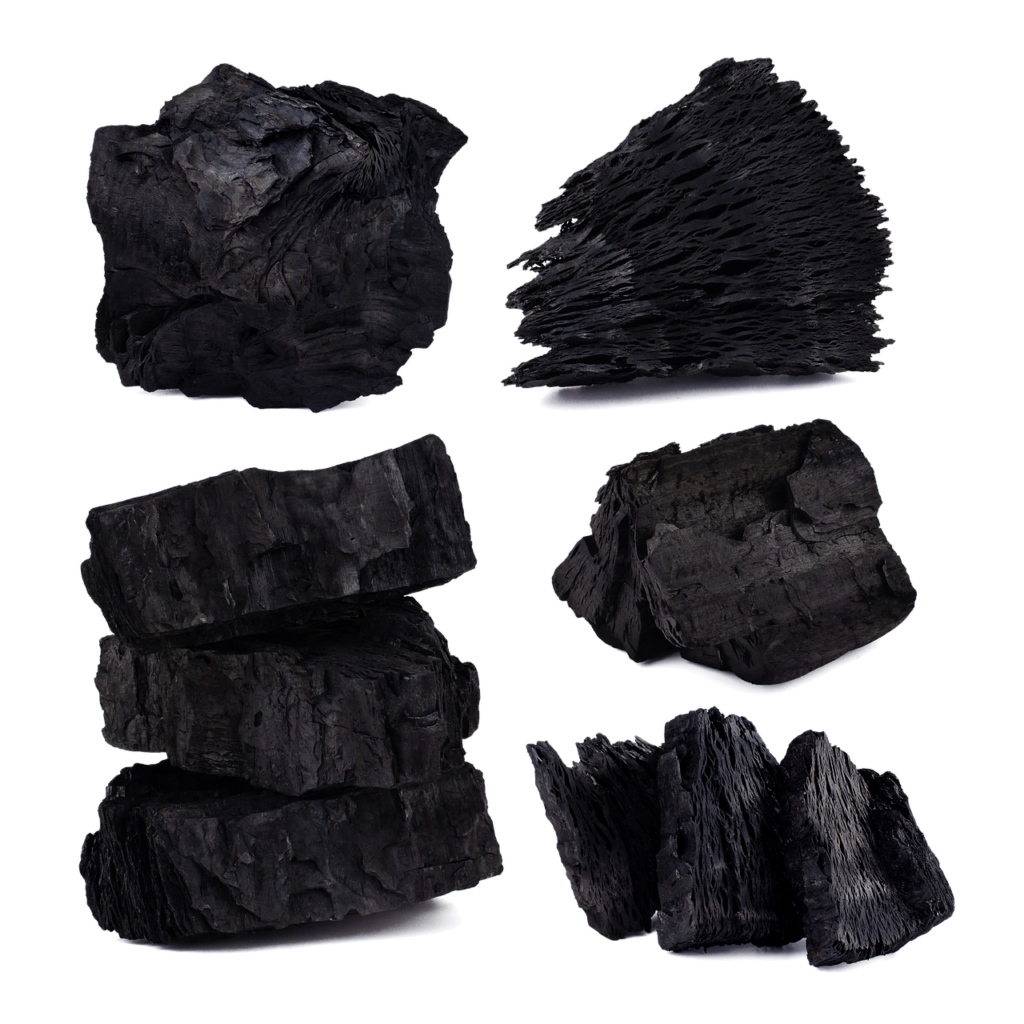
Lump charcoal starts as real wood, typically dense species like oak, hickory, maple, or mesquite. Manufacturers heat the wood to around 900°F in sealed kilns with almost no air, a process called pyrolysis. The water, sap, and volatile compounds cook off, leaving roughly 25 percent of the original weight as nearly pure carbon. Pick up a bag and you will see recognizable chunks, sometimes with bark still attached and visible grain.
This is different from briquettes, which are made from sawdust, charcoal dust, and binders like cornstarch, then pressed into uniform pillows. Briquettes often include additives such as borax or sodium nitrate. Lump charcoal keeps things simple, and that purity is the whole point for serious cooks.
Hardwood Charcoal vs. Briquettes
The two fuels behave differently enough that the choice changes your results. Here is how they stack up:
- Heat: Lump can reach 1,000°F or higher, ideal for searing. Briquettes settle around 700 to 800°F.
- Burn time: Briquettes are more consistent and last longer, often 1 to 1.5 hours per load. Lump burns faster and less predictably.
- Ash: Lump produces far less ash, sometimes a quarter of what briquettes leave behind, which means easier cleanup and better airflow.
- Cost: Expect $1.50 to $2.50 per pound for quality lump versus roughly $0.80 to $1.20 for briquettes.
- Flavor: Pure hardwood charcoal adds a clean, woody note without the faint chemical edge some people detect from cheap briquettes.
Choosing a Quality Bag
Not all lump is created equal. Cheap bags are often padded with small fragments and dust that fall straight through the grate. When you shop, give the bag a gentle shake. Lots of rattling powder is a bad sign. Look for large, dense pieces, ideally the size of your fist, and check the species listed on the label.
Oak and hickory give you long, steady heat and a robust smoke. Mesquite burns hot and fast with an assertive flavor that suits beef. Maple and fruitwood charcoal run milder, which is friendlier for poultry and vegetables. Brands like Fogo, Jealous Devil, and Royal Oak have earned solid reputations, with premium bags running $25 to $40 for 35 pounds.
How to Light It Properly
Skip the lighter fluid. It can soak into porous lump and leave a petroleum taste. A chimney starter is the cleanest method and costs around $20.
- Fill the chimney with lump, packing it loosely so air can move.
- Place two sheets of crumpled newspaper or a paraffin cube underneath.
- Light the paper and wait 12 to 15 minutes until the top coals glow orange and show gray edges.
- Dump the coals into your grill, arranging them for direct or two-zone cooking.
Because lump lights and reaches temperature quickly, you can be searing within 15 minutes, compared to 25 or more for briquettes.
Storage and Safety
Charcoal is hygroscopic, meaning it pulls moisture from the air. Damp lump is hard to light and burns weakly. Store unused bags in a sealed metal or plastic container in a dry garage or shed, never in a humid basement. A clean five-gallon bucket with a tight lid works well.
Always burn charcoal outdoors. It releases carbon monoxide, which is odorless and deadly indoors. Let spent coals cool for at least 48 hours before disposal, or douse them with water and stir to confirm there are no live embers. Keep an extinguisher or a hose nearby during cookouts.
Why Floor Owners Get Confused by the Term
Search for charcoal hardwood and you will hit two unrelated worlds: grilling fuel and flooring color. Charcoal is also one of the most popular stain and finish tones for hardwood floors, a deep gray-black that hides scratches and pairs with modern, minimalist interiors. If you came here for floor color guidance, the same dense species that make good lump, oak and hickory, also take charcoal stains beautifully because their grain absorbs pigment unevenly and creates depth.
A charcoal-stained oak floor runs $8 to $14 per square foot installed, including the finish. The dark tone shows dust and pet hair more readily, so it suits homeowners who do not mind frequent dry mopping. It is a striking look, but it is a completely separate product from the bag of fuel by your grill.
Matching Wood Species to What You Cook
One of the underrated joys of lump charcoal is choosing the species to suit the food, since each hardwood imparts a slightly different character to the smoke. Oak is the all-purpose workhorse, giving a medium, balanced smoke that flatters beef, pork, and poultry without overpowering anything. Hickory leans stronger and a little sweet, the classic choice for ribs and pulled pork. Mesquite is the most assertive, burning hot and fast with an earthy intensity that suits quick-seared steaks and fajitas but can turn bitter on long cooks. Maple and the fruitwoods, like apple and cherry, run mild and subtly sweet, which makes them ideal for chicken, fish, and vegetables that bold smoke would bully. Many premium bags blend species or specify a single wood on the label, so reading it lets you fine-tune the flavor. If you are new to lump, start with oak or a maple blend, then experiment with stronger woods once you know how your grill behaves.
Getting the Most From Your Fuel
A few habits stretch a bag and improve every cook. Save the small leftover pieces and dust in a separate container; they make excellent kindling for the next session. Control your temperature with the grill vents rather than by adding fuel constantly, since fresh lump can spike the heat unevenly. And resist the urge to fully spread coals for every meal. A tight pile on one side gives you a hot zone for searing and a cooler zone for finishing thicker cuts.
Whether you are chasing a perfect crust on a ribeye or simply want cleaner-burning fuel that lights in minutes, hardwood charcoal rewards a little knowledge. Buy dense lump, keep it dry, light it with a chimney, and you will taste the difference at the very first bite.
Prefer to explore on your own?
See how new flooring looks in your actual room in seconds — free, no signup.
Try the free Floor Studio →