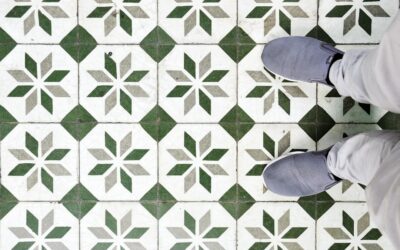
Tile is one of the few building materials where patience is genuinely rewarded, and a well-timed ceramic tile sale can cut the cost of a floor or backsplash by a third or more without sacrificing a bit of quality. The catch is that not every sale is what it looks like, and buying tile carelessly, even at a great price, can leave you with mismatched dye lots, too few boxes to finish the job, or a discontinued line you can never match if a tile cracks. Shopping a sale well takes a little strategy.
Part of our Tile & Grout guide — explore the full guide →
This guide covers when tile actually goes on sale, how to tell a real discount from marketing, the dye-lot and overage math that trips up bargain hunters, and how to buy smart so the deal stays a deal all the way through installation.
When Ceramic Tile Actually Goes on Sale
Tile pricing follows predictable rhythms, and knowing them lets you plan. Major home-improvement retailers run their deepest flooring promotions around holiday weekends, Memorial Day, Fourth of July, Labor Day, Black Friday, and the post-holiday clearance in January, when stores clear inventory to make room for new lines. Spring, at the start of renovation season, also brings promotions as retailers compete for project dollars.
Beyond the calendar, the best individual deals come from discontinued lines and overstock. When a manufacturer retires a color or a store resets its showroom, that tile is marked down aggressively to move it out. Tile outlets, liquidators, and the clearance section of any tile store are where prices drop the furthest, sometimes 50 to 70 percent off. The trade-off with clearance and discontinued stock is that what you see is often all there is, which shapes how you have to buy it.
Spotting a Real Discount
Not every advertised sale price is a genuine bargain, so a little homework protects you. Before you buy, note the regular per-square-foot price of the tile you like and compare it across two or three retailers, because a headline discount off an inflated list price can still be higher than another store’s everyday price. Ceramic floor tile commonly runs $1 to $5 per square foot at regular price, so a true sale should land noticeably below that band, not just below a suspiciously high anchor price.
Watch for the difference between a percentage off and a flat clearance price; a clearance sticker on a discontinued tile is usually the real deal, while a rotating storewide percentage is often built into the pricing year-round. Ask whether the sale price includes trim pieces and bullnose, which you will need to finish edges, because those specialty pieces are sometimes excluded and can quietly inflate your total.
The Dye-Lot Trap
The single biggest mistake sale shoppers make is ignoring dye lots. Ceramic tile is fired in batches, and the exact shade and shading vary slightly from one production run, or dye lot, to the next. Two boxes of the same tile from different lots can look subtly, or not so subtly, different once they are side by side on your floor. Every box is stamped with a dye-lot or batch number, and you must buy all your tile from the same lot for a consistent look.
This is precisely where sales get risky. Clearance and discontinued tile may only have a limited number of boxes from a single lot, so if you underestimate and come back for more, the store may have only a different lot, or nothing at all. Before you commit to a discounted line, confirm the store has enough boxes from one dye lot to cover your entire job plus overage, and check the lot number on every box at pickup.
How Much Tile to Buy
Buying the right quantity is what separates a smart sale purchase from a headache. Start by measuring the room’s square footage, length times width, and then add overage for cuts, breakage, and future repairs. For a straightforward layout, add 10 percent; for a diagonal or herringbone pattern with more cuts, add 15 to 20 percent. That overage is not waste, it is insurance, because you cannot always rematch a tile later, especially a discontinued sale item.
Set aside at least a full box of extras after the job is done and store it somewhere dry. Years later, when a tile cracks under a dropped pan, having a matching spare from the same dye lot saves you from patching with an obvious mismatch or, worse, retiling the whole floor. Given how cheap an extra box is on sale, over-buying slightly is one of the smartest moves you can make.
Where to Find the Best Ceramic Tile Deals
The hunt pays off in a few reliable places. Big-box home centers offer frequent promotions and the convenience of stock you can take home the same day, and their clearance aisles hide genuine markdowns on discontinued colors. Dedicated tile stores and outlets carry a wider selection and often have a clearance or overstock section with deeper discounts on ended lines. Online tile retailers run their own sales and can undercut brick-and-mortar prices, though you pay shipping and cannot inspect the tile in person first.
Do not overlook contractor liquidators and marketplace listings, where leftover tile from big commercial jobs sells for pennies on the dollar, sometimes enough high-quality tile for an entire bathroom at a fraction of retail. The trade-off is that quantities are fixed, so this route works best for smaller projects where you can adapt to what is available.
Buying Smart at a Tile Sale
The winning approach ties it all together: know the regular price so you recognize a real deal, buy enough single-lot tile to finish the job plus a healthy overage, and confirm you can get matching trim before you commit. Inspect boxes for damage and consistent lot numbers at pickup, and factor in that the cheapest tile is no bargain if it is discontinued and you run short mid-installation. Handled with a little discipline, a ceramic tile sale is one of the easiest ways to get a high-end look on a modest budget, letting you spend more on installation or fixtures while the tile itself comes in well under list.
Prefer to explore on your own?
See how new flooring looks in your actual room in seconds — free, no signup.
Try the free Floor Studio →