Standing in the tile aisle, the two options look almost identical, cost about the same on the shelf, and both promise to last. So does it actually matter which you pick for a wet, daily-use space? When it comes to ceramic vs porcelain tiles for shower walls and floors, the answer is yes, and the reasons come down to a few technical differences that show up over years of hot water, humidity, and foot traffic. Both are fired-clay tiles and both work in a shower, but they behave differently where it counts, and knowing how helps you spend your money wisely.
Part of our Bathroom Remodeling & Flooring guide — explore the full guide →
This side-by-side guide breaks down water absorption, durability, cost, slip resistance, and appearance so you can decide which tile belongs on your shower walls, your shower floor, or both.
The Core Difference: Water Absorption
The most important distinction in a shower is how much water each tile absorbs, and this is where porcelain pulls ahead. By industry definition, porcelain tile has a water-absorption rate of 0.5 percent or less, meaning it is fired hotter and denser and is nearly impervious to moisture. Ceramic tile is more porous, typically absorbing anywhere from 3 to 7 percent or more, because it is fired at lower temperatures from a coarser clay body.
In a shower, that gap matters. Porcelain’s near-zero absorption makes it exceptionally resistant to moisture penetration, staining, and the freeze-thaw damage that concerns exterior applications, and it means the tile body itself will not soak up water over decades of showers. Ceramic still works on shower walls, which see less standing water, because a quality glazed ceramic tile has a waterproof glazed surface even if the body underneath is more porous. But for the shower floor and any area exposed to constant wetting, porcelain’s density gives it a real edge.
Durability and Hardness
Porcelain is the tougher of the two. Its dense, fully vitrified body makes it harder and more resistant to chips, cracks, and heavy wear, and because the color often runs through the full thickness of through-body porcelain, a chip is far less noticeable than on a glazed ceramic tile where a chip reveals a lighter clay underneath. This hardness is why porcelain is the default for floors, including shower floors, and for high-traffic and commercial settings.
Ceramic is still a durable, long-lasting tile, more than adequate for residential walls, but it is softer and slightly more prone to chipping and cracking under impact. On a shower wall, where nothing heavy is likely to strike it, ceramic’s durability is rarely a concern. On a floor you stand on daily and occasionally drop a shampoo bottle onto, porcelain’s superior toughness is worth having. That said, porcelain’s hardness cuts both ways: it is harder to cut and drill, so installation can be a bit more demanding.
Cost Comparison
Budget often decides the matter, and here ceramic wins on price. Ceramic shower tile commonly runs $1 to $5 per square foot, while porcelain typically costs $3 to $10 or more, reflecting its denser body and manufacturing. Over a full shower surround of 80 to 120 square feet, that difference adds up, though tile is usually a small share of a total shower remodel once labor, membrane, and fixtures are counted.
Installation cost can also tilt slightly toward ceramic because it is easier and faster to cut, especially the many small cuts a shower requires around niches, valves, and corners. Porcelain’s hardness means more wear on blades and a bit more labor for intricate cuts, which some installers price in. If budget is tight and you want a beautiful shower, ceramic wall tile paired with a porcelain floor is a common and sensible compromise that puts the more water-resistant, durable tile where it matters most.
Slip Resistance on the Shower Floor
Wet-floor safety is non-negotiable in a shower, and this is decided more by the tile’s finish and size than by ceramic versus porcelain per se. What you want on a shower floor is texture and traction, which is why small mosaic tiles are so popular there: the numerous grout lines between small tiles provide grip and the tiles conform to the slope toward the drain. Both ceramic and porcelain come in textured, matte, and honed finishes rated for wet-floor slip resistance, indicated by a tile’s COF (coefficient of friction) rating.
The practical guidance is to use small, textured, matte-finish tiles on the shower floor regardless of material, and save large, glossy, slick tiles for the walls where slipping is not a risk. A glossy large-format porcelain looks stunning on a shower wall but would be dangerous underfoot. Since porcelain’s density makes it the stronger choice for the floor anyway, a textured porcelain mosaic on the floor with either material on the walls is a reliable, safe combination.
Appearance and Design Options
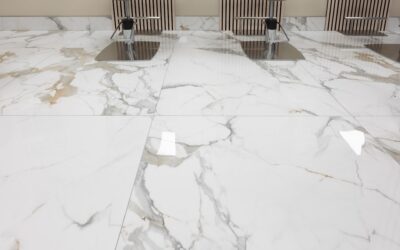
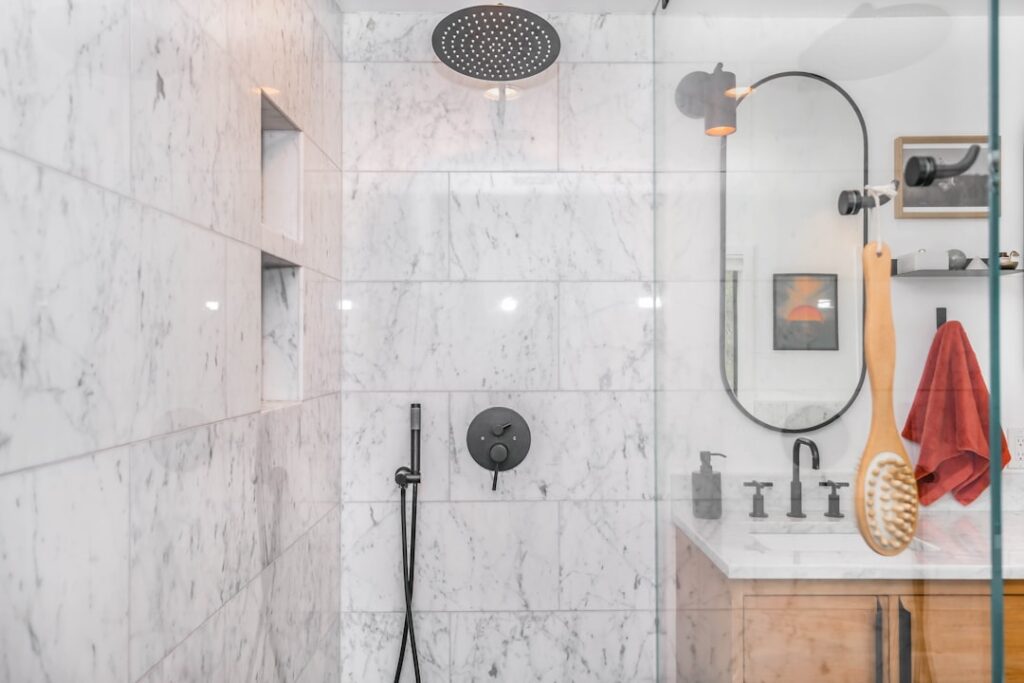
Both materials offer enormous design range, but porcelain’s manufacturing gives it an edge in realism. Modern porcelain uses high-definition printing to convincingly mimic marble, wood, concrete, and natural stone, and large-format porcelain slabs can create nearly seamless, luxurious shower walls with minimal grout lines. Through-body and color-body porcelain also keep their look better if the surface ever wears.
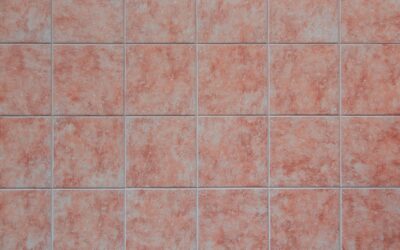
Ceramic offers vivid glazes, classic subway tiles, handmade looks, and a huge palette of colors and shapes, often at lower cost, and its softer body makes decorative and irregular shapes easier to produce. For a bright, glossy, colorful shower, ceramic delivers beautifully. For a spa-like marble-look or wood-look shower with big, low-grout panels, porcelain is the material that makes it possible. Aesthetically, neither is superior; they simply excel at different looks.
The Verdict for Your Shower
Weighing ceramic vs porcelain tiles for shower use, the clearest guidance is this: use porcelain on the shower floor and anywhere exposed to constant water, because its low absorption, density, and durability are exactly what a wet floor demands. On the walls, either works well, so let budget and style lead, with glazed ceramic a perfectly good, cost-saving choice for a beautiful surround. Many well-built showers combine both, ceramic or porcelain walls over a textured porcelain mosaic floor, which balances cost, looks, and performance. Whichever you choose, remember that the waterproof membrane behind the tile matters more than the tile itself, so never let a tile debate distract you from proper waterproofing underneath.
Prefer to explore on your own?
See how new flooring looks in your actual room in seconds — free, no signup.
Try the free Floor Studio →