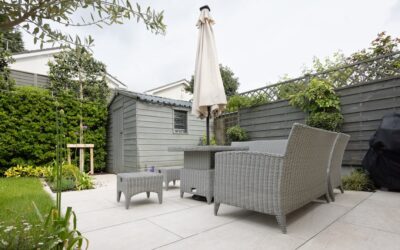
An outdoor patio takes everything the weather can throw at it, so the surface you choose has to be tough, safe, and good-looking for years. Porcelain patio tiles have become one of the most popular outdoor flooring options because they combine the durability of stone with low maintenance and a huge range of styles.
Part of our Decks & Outdoor guide — explore the full guide →
Choosing porcelain patio tiles well means paying attention to slip resistance, frost rating, thickness, and how you plan to install them. This guide covers the key decisions so your patio stays safe and attractive through every season.
Why Porcelain Works Outdoors
Porcelain is a dense, fired clay tile with very low water absorption, which is exactly what an outdoor surface needs. Because it absorbs so little water, it resists the freeze-thaw cracking that destroys more porous materials in cold climates. It is also extremely hard, scratch resistant, and colorfast, so it shrugs off sun, rain, and foot traffic without fading or wearing through.
Outdoor porcelain comes in finishes that mimic natural stone, wood, and concrete, giving you the look of premium materials with far less upkeep. Unlike natural stone, it does not need regular sealing, and unlike wood, it never rots or splinters.
Once your patio flooring is in place, think about how you’ll use the space. A gazebo adds shade and structure, while a good outdoor furniture set turns it into a spot you’ll actually want to hang out in. A deck box is also worth considering if you need somewhere to stash cushions and outdoor gear.
We may earn a commission when you purchase through our links.
Slip Resistance Is Critical
An outdoor floor gets wet, so traction is non-negotiable. The measure to look for is DCOF (dynamic coefficient of friction). For wet exterior areas, choose tiles rated 0.42 or higher, and for poolside or frequently wet patios, look for textured outdoor finishes that go higher still.
Manufacturers make porcelain specifically for outdoor use with structured, textured, or grip surfaces. Avoid polished or high-gloss porcelain outdoors; it looks sleek but turns dangerously slick in the rain. The slightly textured surface of an outdoor-rated tile is what keeps a patio safe.
Frost and Weather Resistance
If winters dip below freezing where you live, frost resistance is essential. Water that seeps into a porous surface and freezes expands and cracks the material. Porcelain rated as frost or freeze-thaw resistant, with water absorption typically under 0.5 percent, withstands those cycles year after year.
Confirm the tile is sold specifically for exterior use. Some interior porcelain is not rated for outdoor freeze conditions, so check the technical specs rather than assuming all porcelain performs the same outdoors.
Thickness and Format Options
Outdoor porcelain comes in two broad categories that affect how you install it:
- Standard tiles (around 3/8 inch): Bonded with thinset over a concrete slab, similar to indoor installation
- Porcelain pavers (around 3/4 inch / 20mm): Thick, strong slabs that can be laid on sand, gravel, or pedestal systems without mortar
The thicker 20mm pavers are popular for patios because they can be dry-laid over a prepared base, set on adjustable pedestals for a level deck, or even placed directly on grass and gravel for a casual look. Large formats also mean fewer grout lines and a cleaner appearance.
Installation Methods
How you install depends on your base and the tile you chose. The most common approaches are:
- Bonded over concrete: Apply an exterior-rated, polymer-modified thinset over a sound, sloped slab and grout with outdoor grout.
- Sand or gravel set: Lay thick pavers over a compacted base of gravel and bedding sand, leveling each one.
- Pedestal system: Set 20mm pavers on adjustable supports to create a level raised deck with hidden drainage, ideal over uneven or roof surfaces.
Whatever the method, the base must be stable and pitched so water drains away from the house, typically about a quarter inch of slope per foot. A weak or poorly drained base is the most common cause of failed outdoor tile.
Maintenance and Care
One of porcelain’s biggest selling points is how little it asks of you. Sweep off debris and rinse with a hose to keep the surface clean. For tougher grime, a mild cleaner and a stiff brush usually do the job, and a pressure washer on a moderate setting can refresh a large patio.
Unlike natural stone, porcelain does not need sealing, though grout in bonded installations may benefit from a sealer to resist staining. Address any cracked tiles or failing grout promptly so water cannot reach and undermine the base.
Styles and Design Options
Part of porcelain’s appeal is the sheer range of looks it can imitate convincingly. Modern manufacturing reproduces the appearance of natural materials so well that many people cannot tell the difference until they touch the surface. Popular outdoor styles include:
- Wood-look planks: The warmth of timber decking without rot, splinters, or annual sealing
- Stone-look tiles: The texture of slate, travertine, or limestone with far less maintenance
- Concrete-look slabs: A clean, modern industrial aesthetic for contemporary homes
- Large-format pavers: Minimal grout lines for an expansive, seamless appearance
Lighter colors keep the surface cooler underfoot and brighten the space, while darker tones make a bold statement but absorb more heat. Coordinate the tile with your home’s exterior and any adjacent pool, patio furniture, or landscaping for a cohesive look.
Common Mistakes to Avoid
The mistakes that wreck outdoor tile installations are predictable and preventable. Choosing an interior-rated tile that is not freeze-thaw resistant guarantees cracking in cold climates, and selecting a polished or low-DCOF surface creates a slip hazard the moment it rains. Always verify the outdoor and frost ratings and the slip resistance before buying.
On the installation side, the biggest failures come from a weak or poorly drained base. Skipping the slope for drainage leaves standing water, and omitting movement joints causes cracking as temperatures swing. Using interior thinset rather than an exterior, polymer-modified product also leads to bond failure. Getting the base, drainage, and materials right is what separates a patio that lasts decades from one that fails in a few seasons.
Cost and Final Thoughts
Outdoor porcelain tiles commonly run about $3 to $10 per square foot for standard tiles, with 20mm pavers often $6 to $15 or more. Professional installation adds roughly $5 to $15 per square foot depending on the method and site prep, while a dry-laid paver project can lower labor if you do it yourself.
For a patio that resists frost, fading, stains, and slips with minimal upkeep, porcelain patio tiles are tough to beat. Choose an outdoor-rated, slip-resistant, frost-tolerant product, build a solid sloped base, and you will enjoy a beautiful, low-maintenance outdoor space for decades.
Prefer to explore on your own?
See how new flooring looks in your actual room in seconds — free, no signup.
Try the free Floor Studio →