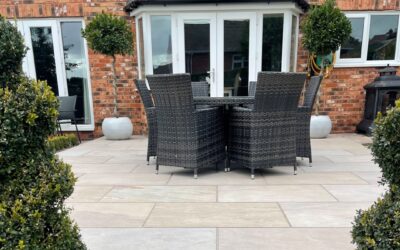
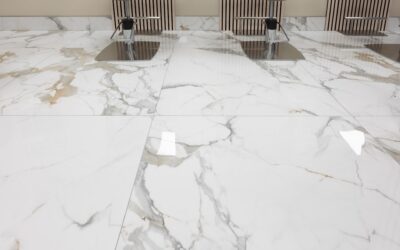
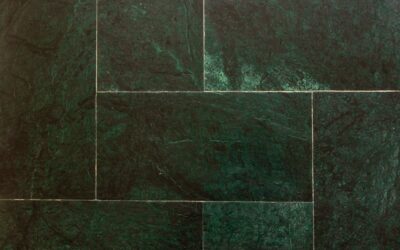
Outdoor porcelain has quietly become one of the smartest patio materials on the market, and most homeowners do not realize how far it has come. A modern porcelain tile outdoor patio can mimic natural stone, weathered wood, or poured concrete so convincingly that guests do not realize it is tile, while shrugging off frost, fading, moss, and stains that plague the real thing. This guide covers what makes outdoor porcelain different from indoor tile, how it gets installed, slip safety, honest costs, and the maintenance that keeps it looking new for decades.
Part of our Decks & Outdoor guide — explore the full guide →
Why Porcelain Works Outdoors
Porcelain is fired at extremely high temperatures, producing an exceptionally dense, hard body that absorbs almost no water, typically under 0.5 percent. That low absorption is the key to outdoor performance: water cannot soak in, so it cannot freeze, expand, and crack the tile during winter. This freeze-thaw resistance is why frost-rated porcelain survives in climates that would spall concrete and pit natural stone.
On top of that, the color in porcelain is fired through and highly UV-stable, so it will not fade in years of direct sun the way some pavers and stained surfaces do. It does not absorb oil, wine, or barbecue grease, resists moss and algae better than porous stone, and never needs sealing. For a low-maintenance patio that looks consistent year after year, those properties are hard to beat.
Outdoor Porcelain Is Not the Same as Indoor Tile
This is the most important thing to understand before you shop. Standard interior floor tile is usually 8 to 10 millimeters thick, but outdoor patio porcelain, often called 2cm porcelain paver, is a full 20 millimeters thick. That extra mass gives it the strength to be laid directly on gravel, sand, or grass without cracking underfoot, and to handle the thermal and load stresses of an exterior setting.
Outdoor tiles also carry a textured, slip-resistant surface rather than the smooth or polished faces common indoors. When you buy, look specifically for tiles rated for exterior use with an appropriate slip rating, and match the thickness to your intended install method. Using thin indoor tile outside, or on an unsupported base, is a common and costly mistake.
Installation Methods
One of porcelain’s biggest advantages outdoors is that you can install it several ways depending on your base and budget.
- Bonded to a concrete slab: If you have an existing sound slab, tiles are set with exterior thinset and grouted, much like an indoor floor. Requires proper slope for drainage and movement joints.
- Dry-set on gravel or sand: 20mm pavers laid over a compacted gravel and bedding base, like traditional pavers. No mortar, and individual tiles can be lifted for access.
- Pedestal system on a roof or deck: Adjustable pedestals raise the pavers to create a level surface over an uneven or sloped substrate, ideal for rooftop terraces and balconies, with drainage below.
The right method depends on your site. A bonded install over concrete gives the most rigid, permanent result, while gravel-set and pedestal systems allow drainage, easy repairs, and installation without pouring a slab. For freeze-prone climates, proper base preparation and drainage matter as much as the tile itself.
Slip Resistance and Safety
A wet patio is a slip hazard, so surface texture is not just cosmetic. Outdoor porcelain is manufactured with grip in mind, and you will see slip ratings such as R11 or R12 (a European scale) on quality exterior tiles, higher numbers meaning more grip. For pool decks and areas that stay wet, aim for a higher-rated, textured surface. The tradeoff is that more aggressive textures are slightly harder to sweep and clean, but the safety gain is worth it around water and on steps.
What a Porcelain Patio Costs
Outdoor porcelain sits in the mid-to-upper range of patio materials, but its longevity offsets the cost. The tile itself commonly runs $5 to $15 per square foot for the 20mm pavers, with premium stone-look and large-format tiles reaching higher. Installation varies widely by method: a straightforward gravel-set patio can be a manageable DIY project, while a bonded install over a new concrete slab, or a pedestal rooftop system, pushes costs up considerably once you include base work and labor.
All-in, many homeowners see installed costs in the range of $15 to $35 per square foot depending on base preparation, though a self-installed dry-set patio over an existing base can come in well under that. Because the tile never needs sealing or refinishing and resists fading and staining, the long-term ownership cost is low compared with wood decking or stamped concrete that needs periodic maintenance.
Design Looks You Can Achieve
One reason porcelain has taken over patios is the sheer range of looks it convincingly imitates. Wood-plank porcelain gives you the warmth of a wood deck with none of the rot, splinters, or annual staining, and it holds up around pools and grills where real wood struggles. Stone-look tiles reproduce travertine, limestone, slate, and bluestone in large formats that read as genuine natural stone from a few feet away. Concrete and cement looks suit modern homes and pair well with contemporary architecture, while textured surfaces add subtle depth.
Large-format tiles, such as 24×24 inches, minimize joints for a clean, expansive feel, and you can carry the same tile from an indoor room out onto the patio for a seamless indoor-outdoor transition that makes a space feel larger. Matching the interior and exterior floor is a designer trick that porcelain makes practical, since the same product line is often sold in both an indoor thickness and a 20mm outdoor version.
Care and Maintenance
This is where porcelain earns its reputation. Routine care is little more than sweeping and the occasional rinse with a hose. For deeper cleaning, mild soap and water or a general-purpose cleaner handles dirt, and because the surface is non-porous, spills like grease and wine wipe up without staining. Moss or algae in shaded, damp spots clears with a scrub and a suitable cleaner, and you never apply sealer.
In winter, porcelain tolerates freezing well, but avoid metal snow shovels that can chip edges and skip harsh de-icing salts on any adjacent grout where possible. A plastic shovel and gentle ice melt keep the surface pristine. Inspect grout or joint sand every year or two and top up as needed on gravel-set installs.
Final Thoughts
A porcelain tile outdoor patio delivers the look of stone, wood, or concrete with far less upkeep and far better resistance to frost, sun, and stains. The keys to getting it right are choosing genuine 20mm exterior-rated pavers with an appropriate slip rating, preparing a proper drained base or sound slab, and matching the install method to your site. Do that, and you get a patio that stays handsome and virtually maintenance-free for decades, a rare combination in outdoor flooring.
Prefer to explore on your own?
See how new flooring looks in your actual room in seconds — free, no signup.
Try the free Floor Studio →