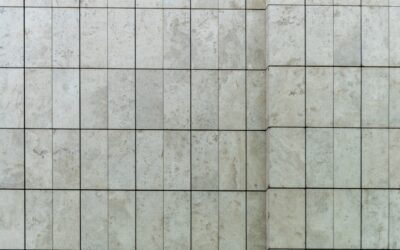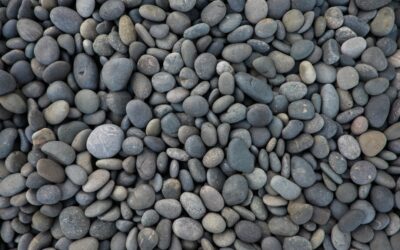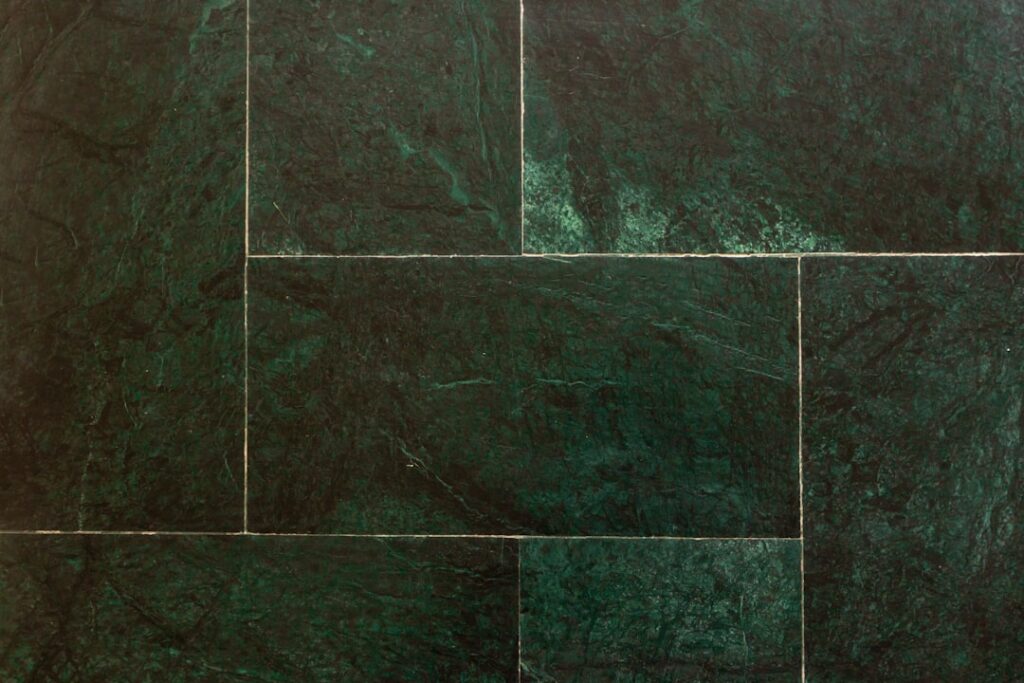
Slate look porcelain tile gives you the rugged, layered beauty of natural slate without any of the flaking, sealing, and color surprises that real slate is famous for. Genuine slate is a metamorphic stone that can shed thin layers, vary wildly in hardness, and demand regular sealing. Porcelain fired to mimic it stays dead consistent and effectively bulletproof. If you love that dark, earthy, quarried look but want a floor you can forget about, this is your material. Here is what to know.
Capturing the Cleft Texture
Slate’s signature is its cleft surface, the naturally split, slightly uneven face with subtle ridges and valleys. The best porcelain versions reproduce that texture with pressed molds taken from real slate slabs, so running your hand across the tile feels like stone rather than glass. Combined with multi-pass inkjet printing that layers charcoal, rust, plum, and gold tones, a good slate-look tile is genuinely hard to distinguish from the real thing at standing height. Cheaper tiles print a flat slate photo on a smooth face, which the eye reads as fake the moment light rakes across it, so texture is the spec to prioritize.
Color and Finish Options
Slate looks range wider than people expect, which helps you match a room’s mood.
- Multicolor slate: Rich blend of charcoal, rust, gold, and green for a rustic, characterful floor.
- Black and charcoal slate: Moody, modern, and dramatic, ideal for contemporary entries and baths.
- Gray slate: Cooler and more uniform, a versatile neutral that suits transitional interiors.
Slip Resistance Where It Counts
The cleft texture is not just for looks. That surface relief naturally boosts grip, which is why slate-look porcelain is a smart pick for wet and high-traffic areas. Still, check the DCOF rating on the spec sheet and aim for 0.42 or higher for any interior floor that may get wet, such as a bathroom, mudroom, or entry. Because textured slate-look tiles usually clear that threshold comfortably, they are one of the more slip-secure realistic options, far safer underfoot than a polished marble-look tile in the same rooms.
Maintenance: The Real Payoff Over Natural Slate
This is where porcelain crushes the genuine article. Natural slate is porous and must be sealed regularly, can spall or flake in some formations, and reacts poorly to acidic cleaners. Slate look porcelain tile needs none of that. It is non-porous, so it never gets sealed, resists staining from wine and grease, shrugs off freeze-thaw cycles for covered patios rated for it, and cleans with nothing more than a damp mop and a pH-neutral cleaner. You get the tough, outdoorsy look indoors with zero of the babysitting.
- No sealing, ever compared with periodic sealing for real slate.
- Stain-resistant against kitchen and bathroom spills.
- Consistent hardness with no soft, flaking pieces to replace.
What It Costs
Expect roughly $3 to $8 per square foot for material on quality slate-look porcelain, with large-format and designer collections reaching $9 or $10. Real slate material can run similar or higher and then piles on sealing products and more delicate installation, since natural slate tiles vary in thickness and can crack under aggressive setting. Because porcelain is uniform, installation typically lands at $7 to $14 per square foot, and the textured surface hides minor grout haze and daily grit well.
Size, Format, and Layout
Slate-look porcelain comes in everything from small mosaics to large-format tiles, and the size shifts the feel. Classic 12×12 and 16×16 squares give a traditional, cabin-like slate floor with visible grout lines that suit rustic and transitional rooms. Large-format tiles, 12×24 and up, read more contemporary and use fewer joints for a cleaner sweep across an open space. Small hexagons and mosaics work beautifully on shower floors, where the extra grout lines actually add grip and the texture keeps footing secure. Whatever the format, dry-lay a section first so the varied printed faces distribute naturally and no two identical tiles sit side by side.
Choosing Grout for a Slate Look
Grout is what makes or breaks the natural illusion. Because real slate has irregular, tight seams, a grout color pulled from the tile’s darker tones keeps the joints from jumping out and disrupting the stone effect. Charcoal or dark gray grout blends seamlessly with a multicolor or black slate-look tile, while a slightly lighter joint can add subtle definition if you want the individual tiles to read. Keep joints reasonably narrow where the tile’s edges allow, and use a stain-resistant grout in entries and mudrooms that see wet boots and road grit. The textured surface of the tile also hides minor grout haze better than a polished tile would. If you want the tightest, most stone-like joints, choose a rectified tile with precisely cut edges, which allows narrower grout lines than a standard pressed-edge tile and pushes the natural slate illusion even further.
Installation Notes
The cleft texture that makes this tile so convincing also means the surface is not perfectly flat, so plan your setting accordingly. Use a leveling clip system to keep the high points of adjacent tiles aligned and prevent trip-hazard lippage. Porcelain is dense and requires a wet saw with a diamond blade for clean cuts. Over wood subfloors, add backer board or an uncoupling membrane for a rigid base, and trowel thinset to full coverage so no hollow spots form under the tile. Done right, a slate-look floor delivers decades of rugged service with almost no maintenance beyond routine cleaning.
Indoor-Outdoor Continuity
One underrated strength of slate-look porcelain is how well it carries a look from inside to out. Many collections offer a standard-thickness interior tile alongside a thicker 20mm paver in the same color and texture, rated for exterior use. That lets you run the same rugged slate appearance from a kitchen or great room straight out onto a covered patio, blurring the line between indoors and out and making both spaces feel larger. Real slate rarely offers that matched pairing, and it would need sealing and freeze-thaw babysitting outdoors anyway. With porcelain, the exterior tile shrugs off weather, frost, and UV while looking identical to the floor inside, a coordination trick that natural stone simply cannot match as easily.
Is It Right for Your Project?
Choose slate look porcelain tile when you want the dark, natural, cabin-and-cottage warmth of real slate in an entry, bathroom, mudroom, or kitchen but you refuse to seal and coddle a floor. Favor tiles with a pressed cleft texture for realism, confirm a DCOF of 0.42 or higher for wet areas, and pair the tile with a grout color drawn from the tile’s darker tones to keep the stone illusion intact. The result is a rugged, low-maintenance floor that looks like it came straight out of a quarry.
Prefer to explore on your own?
See how new flooring looks in your actual room in seconds — free, no signup.
Try the free Floor Studio →