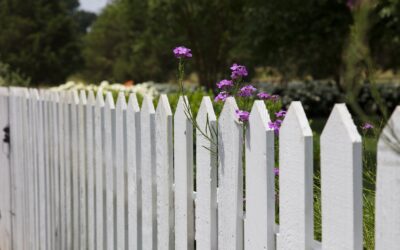
Fencing a yard can swing wildly in price, from a few hundred dollars to well over ten thousand, and the material you choose drives most of that gap. If you are hunting for the cheapest fence material, the honest answer is that wire and chain link sit at the bottom of the price range, while wood splits the difference and vinyl and metal land at the top. But “cheapest” should also factor in lifespan, maintenance, and what the fence is actually for — keeping a dog in, marking a boundary, or adding privacy. This guide ranks the budget options by real cost per linear foot so you can match the right material to your wallet and your goal.
Part of our Decks & Outdoor guide — explore the full guide →
- How Fence Cost Is Measured
- 1. Wire and Welded Wire Fencing
- 2. Chain Link Fencing
- 3. Pressure-Treated Wood (Pine and Spruce)
- 4. Split Rail and Post-and-Rail
- 5. Bamboo Fencing
- Where Vinyl and Metal Fit In
- Choosing the Cheapest Fence for Your Needs
- Hidden Costs to Budget For
- More Low Cost Fencing Options Worth Considering
How Fence Cost Is Measured
Fencing is priced per linear foot, which makes it easy to compare materials and estimate a project. To get your footage, measure the perimeter you want to enclose. A typical quarter-acre backyard runs roughly 150 to 200 linear feet of fence.
Always separate material cost from installation. Doing the work yourself can cut total cost by 40 to 60 percent, since labor often equals or exceeds materials. The numbers below reflect material-plus-install ranges, with DIY landing well below them.
1. Wire and Welded Wire Fencing
For the absolute lowest cost, nothing beats plain wire fencing. Field wire, welded wire, and woven-wire (such as horse or garden fence) run about $1 to $4 per linear foot installed, and far less if you set the posts yourself.
This is the go-to for large rural properties, gardens, and livestock containment. It offers no privacy and limited curb appeal, but for marking acreage or keeping animals in or out, it is unbeatable on price. A roll of welded wire and some T-posts can fence a big area for a few hundred dollars.
2. Chain Link Fencing
Chain link is the cheapest material most homeowners actually consider for a yard. Expect $9 to $20 per linear foot installed for a standard galvanized fence, with DIY kits available at home centers for considerably less.
- Durable and low-maintenance — galvanized steel resists rust for decades.
- Good for security and pets without blocking sightlines.
- Long-lasting — a chain link fence commonly lasts 15 to 20 years or more.
- Privacy slats available if you want to add screening later.
It is not the most attractive option, but for value over its lifespan, chain link is hard to beat.
3. Pressure-Treated Wood (Pine and Spruce)
When you want privacy on a budget, pressure-treated pine is the cheapest wood fence material. A basic privacy or picket fence in treated pine runs about $15 to $30 per linear foot installed, with DIY costs well under that.
Wood gives you real privacy, a classic look, and easy customization. The catch is maintenance: wood needs staining or sealing every two to three years to resist rot, warping, and insects. Skip that upkeep and a cheap wood fence can fail in under a decade. Factor the long-term staining cost into your decision.
4. Split Rail and Post-and-Rail
Split-rail fencing is a budget favorite for defining property lines and front yards without enclosing them fully. It runs about $12 to $30 per linear foot installed and uses far less material than a solid fence.
This rustic style suits rural and suburban properties, pairs well with wire mesh backing to contain pets, and installs quickly with widely spaced posts. It offers no privacy, but as a low-cost way to add character and mark a boundary, it delivers.
5. Bamboo Fencing
Bamboo is an inexpensive natural option, especially as pre-made rolls or panels. Material runs roughly $3 to $6 per linear foot for rolled bamboo, though it is less durable than wood and works best as a decorative screen attached to an existing frame.
It is a good choice for a quick privacy screen on a patio or over a chain link fence. Just know it has a shorter lifespan — often 5 to 7 years outdoors — and is more of a budget accent than a long-term perimeter fence.
Where Vinyl and Metal Fit In
Vinyl, aluminum, and composite fences are not cheap upfront — vinyl runs $25 to $40 per linear foot and aluminum $20 to $40 — but they earn a mention because of lifespan. They never need painting or staining and can last 20 to 30 years or more.
Over the full life of a fence, a maintenance-free material can cost less than a cheap wood fence that you stain repeatedly and replace sooner. If you plan to stay in your home long-term, weigh that total cost of ownership against the lower sticker price of wood and chain link.
Choosing the Cheapest Fence for Your Needs
The cheapest fence material depends on the job. For raw boundary marking or livestock, wire fencing at $1 to $4 a foot wins outright. For an affordable, durable yard perimeter, chain link offers the best value. For privacy on a budget, pressure-treated pine is the lowest-cost option, as long as you commit to regular sealing.
Cut costs further by handling the labor yourself, buying materials during off-season sales, and renting a post-hole digger instead of hiring out. Match the material to your real goal, account for maintenance, and you can fence your yard well without overspending.
Hidden Costs to Budget For
The sticker price per foot is only part of the picture, and overlooking the extras leads to nasty surprises. Posts and concrete are the biggest hidden expense — a fence needs a sturdy post every 6 to 8 feet, each set in a bag or two of concrete that runs $5 to $8. Gates cost far more per foot than fence panels, often $150 to $400 each, so factor in every access point.
Then there is the groundwork. Rocky soil, slopes, and tree roots slow installation and can force you to rent equipment or hire help. Many areas require a permit ($20 to $100) and have rules on height and setback, and you may need to pay for a property survey to avoid building on a neighbor’s land. Call 811 before you dig to mark buried utilities — free, and it prevents a dangerous and expensive mistake. Budget another 10 to 15 percent over your material estimate to cover these realities.
More Low Cost Fencing Options Worth Considering
Beyond chain link, wire and treated pine, several low cost fencing options suit specific jobs: livestock panels, plastic mesh, reclaimed pallets, living hedges and hybrid layouts. Each one costs less than a full privacy fence because it uses less material or less labor, but each has a narrower use.
| Option | Rough cost range | Best use | Typical lifespan |
|---|---|---|---|
| Cattle or hog panels on T-posts | About $2 to $6 per ft, DIY | Gardens, dogs, modern rustic look | 15 years or more |
| Plastic mesh or deer netting | Under $2 per ft | Garden protection, temporary lines | 2 to 5 years |
| Reclaimed pallet fence | Near zero to $3 per ft for posts and hardware | Backyard screening on a tight budget | 5 to 10 years |
| Living hedge | Varies with plant size | Long-term privacy with no boards | Decades with care |
Panels and Mesh
Welded livestock panels come in rigid 16-foot sections, so they install fast with few posts and resist sagging better than rolled wire. Plastic mesh and netting cost the least of all, but they work only as a deterrent or a temporary boundary, not as a secure perimeter.
Pallet Fencing
Free pallets can become a rustic privacy screen if you have the time to dismantle and sort them. Use only pallets stamped HT, meaning heat treated. Skip any marked MB, which signals methyl bromide fumigation, and skip pallets with stains or chemical odors. Seal the boards, since pallet wood is usually untreated.
Living Fences
A row of fast-growing shrubs is the cheapest long-term privacy screen if you buy small plants and wait. Expect three to five years before a hedge fills in, plus regular trimming and watering in the early seasons.
Low Cost Fencing Layout Tricks
- Put privacy material only where you need it, such as beside a patio, and run chain link or wire along the rest.
- Drop the height from 6 feet to 4 feet on sides where privacy does not matter; shorter fences use less material and lighter posts.
- Fence the yard area you actually use rather than the full lot line.
- Share the cost of a boundary fence with a neighbor who benefits from it, and put the agreement in writing.