Erosion eating away at your sloped yard does not require a $10,000 engineering project to fix. The cheapest retaining wall options start at just $3 per square foot of wall face and can be built in a weekend with basic tools. But going cheap does not mean going flimsy — choosing the right budget material for your specific height, soil type, and drainage conditions determines whether your wall lasts 5 years or 25.
Retaining Wall Costs at a Glance
Here is what you can expect to pay for the most common budget-friendly retaining wall materials, including labor if you hire a contractor.
- Treated timber: $5 to $12 per sq ft installed ($3 to $6 DIY)
- Concrete blocks (CMU): $10 to $18 per sq ft installed ($5 to $8 DIY)
- Poured concrete: $15 to $25 per sq ft installed
- Gabion baskets: $8 to $15 per sq ft installed ($5 to $10 DIY)
- Stacked natural stone: $10 to $20 per sq ft installed
- Interlocking concrete block (segmental): $12 to $22 per sq ft installed ($6 to $10 DIY)
For a typical wall measuring 4 feet tall and 20 feet long (80 square feet of face), the cheapest retaining wall in treated timber runs roughly $240 to $480 for DIY materials. The same wall in interlocking block costs $480 to $800 in materials but lasts twice as long.
Treated Timber: The Cheapest Option
Pressure-treated landscape timbers are the least expensive retaining wall material you can buy. Standard 6×6-inch timbers run $8 to $14 each for 8-foot lengths at home improvement stores. A 4-foot-tall wall uses 8 courses of timber stacked and secured with galvanized spikes or rebar.
Timber walls look good in rustic and wooded settings. They are easy to cut and stack, making them ideal for DIY builders without masonry experience. The main drawback is longevity — even pressure-treated wood eventually rots when in constant contact with soil and moisture. Expect 10 to 15 years from modern treated lumber, compared to 30+ years from concrete or stone.
Critical installation tip: Always use timbers rated for ground contact (marked UC4A or higher). Standard above-ground-rated lumber will rot within 3 to 5 years in a retaining wall application. Drill drainage holes through each course and backfill with gravel rather than soil to minimize moisture contact.
Concrete Blocks: Best Value for Money
Standard 8x8x16-inch concrete masonry units (CMUs) cost just $1.50 to $3 each and build strong, durable walls. A 4-foot wall requires 6 courses of block. Fill the hollow cores with gravel or concrete and rebar for walls over 3 feet tall. This is arguably the best balance of cost and longevity for budget-minded homeowners.
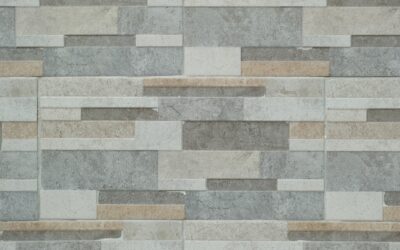
The blocks themselves are plain gray, which some homeowners find unattractive. You can improve the look by applying stucco ($3 to $5 per sq ft), using a split-face block that mimics natural stone ($3 to $4 per block), or painting with exterior masonry paint ($25 to $40 per gallon covering approximately 200 square feet).
Gabion Baskets: Industrial Charm on a Budget
Gabion walls use wire mesh cages filled with rocks, broken concrete, or other heavy fill material. If you have access to free fill — perhaps from a demolition project or a local quarry’s reject pile — gabion walls can be remarkably cheap. The wire baskets themselves cost $30 to $60 each for a 3x3x3-foot cage.
Gabions drain naturally through the gaps between rocks, virtually eliminating the hydrostatic pressure problems that cause other retaining walls to fail. They also conform to minor ground settling without cracking. The industrial aesthetic suits modern and minimalist landscapes, and you can plant trailing vegetation through the wire mesh to soften the look over time.
DIY vs Hiring a Contractor
Building a retaining wall yourself saves 40% to 60% of the total project cost. A wall that a contractor quotes at $4,000 might cost $1,500 to $2,000 in materials for a DIY build. However, retaining walls are structural — they resist thousands of pounds of lateral soil pressure — and mistakes can be dangerous and expensive to fix.
DIY is reasonable for walls under 3 feet tall in stable soil. Walls between 3 and 4 feet tall are achievable for experienced DIYers who understand drainage and compaction principles. Any wall over 4 feet tall in most jurisdictions requires a building permit and often a structural engineer’s stamp, which typically costs $300 to $800. At that height, the engineering requirement alone often makes professional installation the practical choice.
Drainage: Where Budget Walls Fail
Poor drainage is the number one reason retaining walls fail, regardless of material. Water-saturated soil behind a wall exerts dramatically more pressure than dry soil — a 4-foot wall with saturated clay backfill can experience over 1,200 pounds of force per linear foot. Without drainage, even an over-built wall will eventually lean, crack, or collapse.
Every retaining wall needs these three drainage elements at minimum:
- Gravel backfill: At least 12 inches of crushed gravel directly behind the wall from base to top
- Perforated drain pipe: A 4-inch perforated pipe at the base of the wall, laid in gravel, sloped to daylight at one or both ends
- Filter fabric: Landscape fabric between the gravel and the native soil prevents fine particles from clogging the drainage layer
These drainage materials add $1 to $3 per square foot to your project cost but are absolutely non-negotiable. Skipping them to save $100 will cost you the entire wall within a few years.
Making the Right Choice for Your Project
For walls under 2 feet tall in a garden or flower bed, treated timbers deliver the cheapest retaining wall with adequate durability. For structural walls between 2 and 4 feet holding back a slope, concrete blocks provide the best long-term value at a moderate price increase. Gabion baskets make sense when you have access to free or cheap fill material and want a distinctive look.
Whatever material you choose, invest in proper drainage, compact your base material thoroughly, and build on undisturbed soil or a compacted gravel footing at least 6 inches deep. These fundamentals cost little but determine whether your wall stands for decades or fails in seasons.