A pallet of standard 8 by 8 by 16 inch CMU blocks at Home Depot runs about 180 dollars for 90 blocks, which is enough material to build a serious patio feature for less than the cost of a dinner out. The trick is moving past the bare gray cube and into finishes, layouts, and uses that look intentional. These cinder block patio ideas cover borders, planters, benches, fire walls, and full patio builds, all with the cost-per-block math and weekend-build realism that homeowners need.
Part of our Decks & Outdoor guide — explore the full guide →
Why Cinder Block Beats Pavers for DIY
True CMU (concrete masonry unit, what most people call cinder block) is 32 to 38 pounds, hollow-cored, and dimensionally consistent. Stack them dry, fill cores selectively, and you get instant structure without mortar work. Pavers look refined but lack the vertical possibilities. Block lets you build seat walls, planters, and grill surrounds the same weekend you set the patio floor.
Standard 8x8x16 blocks cost 1.80 to 2.50 dollars each at big-box stores, plus 0.50 to 1.20 dollars more for split-face, smooth-face, or colored options. The cheaper bare gray blocks are perfectly fine if you plan to stucco, paint, or veneer the visible faces.
Border Wall and Seating Combos
A single course of block laid flat around a 12 by 14 foot gravel patio creates a clean edge that holds the gravel in place and gives you 6 to 8 inches of casual seating height when stacked two courses tall. Plan on 38 blocks for a single course border around 12 by 14 feet at about 75 dollars in materials.
For a true bench-height seat, stack three courses (24 inches tall) and cap with a 2 by 12 cedar plank stained dark walnut. Anchor the cap with construction adhesive or hidden L-brackets. This setup is one of the highest-impact DIY backyard upgrades and costs 250 to 400 dollars for a 10 foot run.
Planter Walls and Modular Planters
Cinder blocks have hollow cores that double as planter pockets for herbs, succulents, and trailing flowers. Stack and stagger blocks like brickwork so the open cores face up. Line each core with landscape fabric, fill with potting mix, and plant.
- Strawberries and trailing thyme spill over the edges
- Tarragon, oregano, chives, and basil for a kitchen herb wall
- Sedum, hens and chicks, and other succulents for sun-baked patios
- Petunias, marigolds, and trailing lobelia for color through summer
- Spider plants and ivy for partial shade
A 4-foot wide, 3-course planter wall holds 18 to 24 cores at planting height, enough for an entire kitchen herb operation in one footprint. Add drainage by drilling a 1/4 inch weep hole through each core bottom or skipping the bottom mortar line.
Fire Pit Walls and Grill Surrounds
A square fire pit with three courses of block measures 36 by 36 inches at the base, uses 36 blocks, and holds heat through a small dinner crowd. Line the interior with fire brick (refractory rated to 2,000 degrees F) because plain CMU can spall and crack under prolonged direct flame exposure.
For grill surrounds, build a 30 inch wide U-shape four courses tall around a kettle grill or a small built-in. Cap with a 2 inch concrete paver or natural stone slab as a side prep surface. Total material runs 150 to 300 dollars depending on the cap stone.
Finish Treatments That Hide the Gray
Bare CMU reads as utility. Five finishes transform it: stucco, paint, veneer stone, German smear, and limewash. Stucco (Quikrete Pre-Mix at about 10 dollars per 60 pound bag) trowels on in two coats and looks like adobe when textured. One bag covers about 25 square feet of wall.
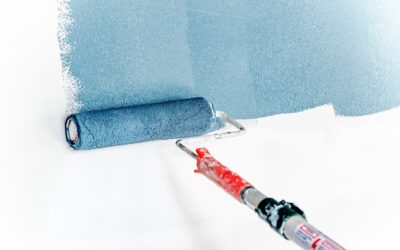
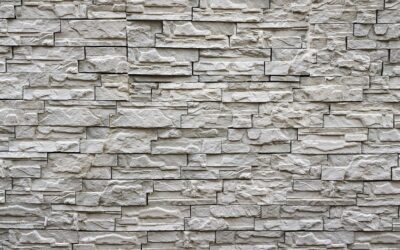
For paint, use Behr Premium Masonry, Stucco, and Brick paint in any color. Two coats roller-applied to a primed block wall last 8 to 12 years outdoors. German smear (a thin mortar wash) gives the rustic European look in a single afternoon. Veneer stone (Eldorado or AirStone) glues over the block face for a high-end look at 8 to 12 dollars per square foot.
Floor Patios with Block
Standard CMU is not designed as a walking surface, but solid concrete blocks (4 by 8 by 16 inch solid pavers, sold as patio blocks) are. These cost 1.80 to 3 dollars each and lay like oversized brick pavers. A 10 by 10 foot patio takes about 113 blocks and runs 200 to 350 dollars in material.
Set on a 4 inch compacted base of crushed stone topped with 1 inch of sand. Sweep polymeric sand into the joints, mist with water to activate. The result holds up for 15 plus years and rivals real paver patios at a fraction of the price.
Leveling and Base Prep
The single most common cinder block patio failure is settling. Excavate 6 inches deep, fill with 4 inches of compacted 3/4 inch gravel base, then 1 inch of leveling sand. Tamp every 2 inches of fill with a hand tamper or rented plate compactor.
Check level constantly. A 4 foot bubble level on a straight 2×4 across the bed reveals dips you cannot see by eye. For drainage, slope the entire patio 1/4 inch per foot away from any house wall. Standing water on a patio destroys the joint sand and undermines the blocks within two winters.
Cost Comparison and Budget Builds
A 10 by 12 foot DIY cinder block patio with single-course border and a small fire pit runs 400 to 700 dollars in materials plus a weekend of labor. The same footprint in concrete pavers from a stone yard costs 1,200 to 2,000 dollars in materials alone. Poured concrete by a contractor runs 1,500 to 3,500 dollars.
For the best long-term value, spend the savings on a quality cap stone (limestone, bluestone, or thick concrete pavers at 10 to 25 dollars per square foot for the visible top course) and leave the lower courses as plain block. The capped surfaces are what guests see and touch, and dressing only the visible faces is the smartest way to stretch a tight budget across multiple cinder block patio ideas in one project.