If a normal load now needs two or three cycles to dry, the dryer is probably fine. The vent is not. A clogged dryer vent traps hot, humid air inside the machine, which drags out drying times, overheats the cabinet, and packs lint in places where it can ignite.
That last point is the one to take seriously. Lint is highly flammable, and dryer fires are a well-documented cause of house fires, with failure to clean the vent a leading factor. A blocked duct also forces the heating element or gas burner to cycle harder, wearing out thermal fuses and high-limit thermostats.
- Clogged Dryer Vent Warning Signs
- Safety First: Fire, Power, and Gas
- Tools and Materials to Unclog a Dryer Vent
- How to Unclog a Dryer Vent Step by Step
- Troubleshooting If the Dryer Vent Is Still Blocked
- How Often to Check for a Clogged Dryer Duct
- General Cost Ranges
- When to Call a Pro
- Frequently Asked Questions
The good news: most blockages sit in one of three places, where the dryer connects to the wall, somewhere along the duct run, or at the exterior hood, and a homeowner can clear them in about an hour with a brush kit. This guide focuses on diagnosing and clearing an active blockage. For a routine cleaning schedule, see our general dryer vent cleaning guide.
Clogged Dryer Vent Warning Signs
Work through these symptoms in order. The more that apply, the more likely the dryer vent is blocked rather than the dryer itself failing.
- Long dry times. A load of towels that used to take 50 minutes now takes 90 or more. This is the earliest and most common sign.
- Hot cabinet or hot laundry room. The top and sides of the dryer feel unusually hot, and the room becomes warm and humid during a cycle.
- Clothes come out hot but damp. Heat is being generated, but moist air has nowhere to go.
- Burning smell. A scorched or hot-lint odor means lint is overheating. Stop the dryer immediately.
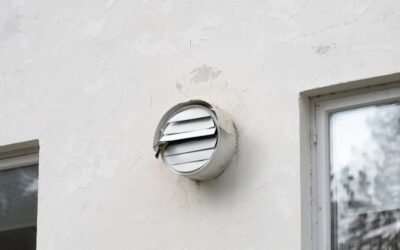
- Exterior flapper does not open. Go outside while the dryer runs. You should feel strong, warm airflow, and the hood flap should lift. Weak airflow or a stuck flap means a clogged dryer duct or a jammed hood.
- Lint around the exterior hood or behind the dryer. Lint escaping at joints means pressure is backing up.
- Dryer shuts off mid-cycle or an error code appears. Many modern dryers detect restricted airflow and display a vent warning. Repeated thermal shutdowns point the same direction.
Quick Airflow Test
Remove the lint screen, clean it, and run the dryer on air-only or low heat. Outside, hold your hand about 6 inches from the hood. You should feel a steady, strong stream. If you barely feel anything, the vent is restricted. Next, disconnect the duct from the back of the dryer (steps below) and run it briefly on air-only. If airflow from the dryer outlet is strong, the blockage is in the duct, not the machine.
Safety First: Fire, Power, and Gas
Before touching the vent, follow these precautions:
- Disconnect power. Unplug the dryer, or switch off its breaker if the plug is not reachable. Electric dryers use a 240-volt circuit; never work behind or inside the machine while it is energized.
- Gas dryers need extra care. If you smell gas at any point, do not operate switches or the dryer. Leave the house and call your gas utility or 911 from outside. Moving a gas dryer can stress the flexible gas connector; move it gently and do not disconnect or reconnect gas lines yourself. Gas line work is for a licensed professional.
- Treat lint as fuel. Do not run the dryer again after noticing a burning smell until the vent is cleared. Never run it while you are away from home or asleep.
- Protect yourself. Wear a dust mask and safety glasses; old lint is dusty and can contain mold if moisture has collected.
Tools and Materials to Unclog a Dryer Vent
- A dryer vent cleaning kit with flexible rod sections and a lint brush head, which attaches to a cordless drill
- Shop vacuum with a crevice tool
- Screwdriver or nut driver for duct clamps
- Foil HVAC tape (not cloth duct tape) and replacement clamps
- Replacement semi-rigid or rigid metal transition duct if the existing one is crushed or is vinyl or foil
- Flashlight, gloves, dust mask, safety glasses
- A step ladder if the exterior hood is above ground level
How to Unclog a Dryer Vent Step by Step
1. Clear the Dryer End
- Unplug the dryer (and for gas models, confirm you can move it without straining the gas connector).
- Pull the dryer out slowly, 12 to 18 inches from the wall.
- Loosen the clamp and detach the transition duct from the dryer outlet.
- Vacuum lint from the dryer outlet collar and the lint screen housing. A long, narrow lint screen brush reaches deeper into the trap.
- Inspect the transition duct. If it is crushed, kinked, or made of plastic or thin foil, replace it with semi-rigid or rigid metal duct. Many dryer manufacturers specify metal duct.
2. Clear the Duct Run
- Detach the duct from the wall connection.
- Assemble two or three rod sections with the brush head and feed it into the wall duct.
- Spin the rod clockwise with the drill on low speed while pushing forward. Always rotate in the direction specified in the kit instructions, so rod sections do not unscrew inside the duct.
- Add sections as you go. Pull back frequently and vacuum the lint that comes out.
- If you hit a hard stop, it may be a tight elbow, a bird nest, or a compacted plug. Work slowly. Do not force a drill-driven brush through a crushed duct.
3. Clear the Exterior Hood
- Go outside and remove any screen or guard. Screens on dryer hoods trap lint and are not recommended by many codes and manufacturers; replace a screened hood with a louvered or flapper hood.
- Pull out lint, debris, or nesting material by hand while wearing gloves.
- Run the brush in from the outside to meet the section you cleaned from indoors.
- Confirm the flapper swings freely. Replace a hood whose flap is cracked, painted shut, or warped.
4. Reassemble and Test
- Reconnect ducts with the male ends pointing in the direction of airflow and secure every joint with a clamp or foil tape. Do not use screws that poke into the duct; they snag lint.
- Push the dryer back without crushing the transition duct. Leave a few inches of space.
- Restore power and run an air-only cycle. Check outside for strong airflow and an open flap.
- Run a normal load and compare the dry time.
Troubleshooting If the Dryer Vent Is Still Blocked
- Airflow is still weak: The run may be too long or have too many elbows. Manufacturers list a maximum equivalent length, often reduced for each 90-degree bend. A booster fan or rerouting may be required.
- Duct is crushed inside a wall or ceiling: You cannot fix this with a brush. A vent technician can inspect with a camera and replace concealed sections.
- Roof vent terminations: Roof-mounted dryer vents clog faster and require roof access. This is a job for a professional.
- Dryer still runs hot after the vent is clear: The dryer may have damaged a thermal fuse, cycling thermostat, or blower wheel. Have an appliance technician diagnose it.
- Frequent re-clogging: Long horizontal runs, sagging duct, and screens on the hood cause repeat problems. Plan for rigid duct with proper support and slope toward the exterior.
How Often to Check for a Clogged Dryer Duct
Clean the lint screen after every load. Wash it with warm soapy water every few months if you use dryer sheets, which can leave a film. Have the full vent cleaned at least once a year, and more often for large households, pets, long vent runs, or if you notice any warning sign above.
General Cost Ranges
A DIY brush kit is an inexpensive tool that you can reuse for years. Replacement metal transition duct and a new exterior hood are also modest purchases. Professional dryer vent cleaning commonly runs in the low hundreds of dollars for a standard run, with higher prices for roof terminations, long runs, and multi-story homes. Replacing a crushed concealed duct or rerouting a vent costs more because it can involve drywall or roof work.
When to Call a Pro
Call a dryer vent cleaning professional if the vent exits through the roof, runs longer than about 25 feet, is concealed inside walls, or stays clogged after you brush it. Call a licensed gas technician for any gas smell or gas connector concern, and an appliance technician if the dryer keeps overheating after the vent is clear. If you ever see smoke or flames, leave the house and call 911.
Frequently Asked Questions
How do I know if my dryer vent is blocked?
The most common signs are long dry times, a hot dryer cabinet, damp clothes that feel hot, a burning smell, and weak airflow at the exterior hood.
Can a clogged dryer vent cause a fire?
Yes. Lint is highly flammable, and restricted airflow raises temperatures inside the dryer and duct. Stop using the dryer until the blockage is cleared.
Can I unclog a dryer vent myself?
For most short, accessible runs, yes. Unplug the dryer, disconnect the duct, and use a rotary brush kit from both ends. Roof vents and concealed or crushed duct are best handled by a pro.
Is a clogged dryer vent dangerous with a gas dryer?
A blocked vent on a gas dryer can also push combustion byproducts, including carbon monoxide, back into the home. Keep a working CO alarm nearby and have the vent cleared promptly.
What type of duct is best for a dryer?
Rigid metal duct is best for the concealed run, with a short semi-rigid metal transition duct behind the dryer. Avoid plastic or thin foil ducts, which crush easily and trap lint.