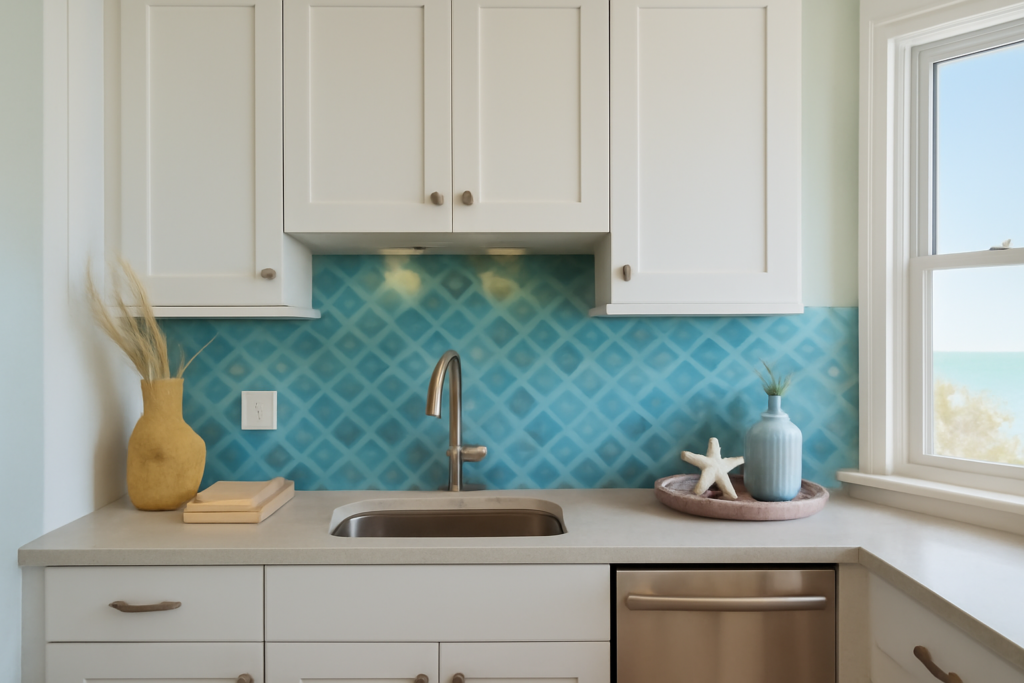
A coastal backsplash brings the light, airy feeling of the seaside into your kitchen, swapping heavy, dark surfaces for soft blues, sandy neutrals, and the gentle shimmer of glass and stone. Whether you live a mile from the ocean or just love the calm of a beach house, a well-chosen coastal backsplash is one of the most affordable ways to set that relaxed tone.
Part of our Kitchen Remodeling guide — explore the full guide →
The coastal look is flexible. It can lean crisp and modern, soft and weathered, or rich and nautical, all depending on the colors, materials, and tile shapes you combine. This guide walks you through the choices so you can build a backsplash that feels like a deep breath of sea air.
What Defines a Coastal Look
Coastal style is built on light, texture, and a palette drawn from the shoreline. Think of the colors you see at the beach: the pale blue-green of shallow water, the white of foam, the warm tan of sand, the gray of driftwood, and the deeper navy of the open sea. A coastal backsplash translates those tones into a surface that feels fresh rather than themed.
Texture matters as much as color. Subtle variation, a hint of gloss that mimics wet sand or water, and natural materials all reinforce the feeling. The best coastal kitchens suggest the sea without resorting to literal seashell borders, keeping the look timeless instead of kitschy.
Color Palettes That Capture the Sea
Your palette sets the entire mood. A few reliable directions work beautifully:
- Crisp and bright: white or off-white tile with pale aqua accents, paired with light counters for a clean, sun-washed feel.
- Soft and serene: sea glass greens and dusty blues that stay muted and calming.
- Nautical and bold: navy or deep teal against white, evoking classic New England harbor style.
- Sandy and warm: beige, taupe, and driftwood gray for a grounded, organic beach-cottage look.
For a cohesive room, pull one of these tones from your countertop or cabinetry and let the backsplash echo it rather than fighting it.
Popular Materials for a Coastal Backsplash
Material choice carries much of the coastal character. Each option offers a different blend of shine, texture, and upkeep.
- Glass tile: its translucence and light-catching surface mimic water beautifully, especially in blues and greens.
- Ceramic and porcelain: versatile and budget-friendly, available in countless coastal colors and finishes.
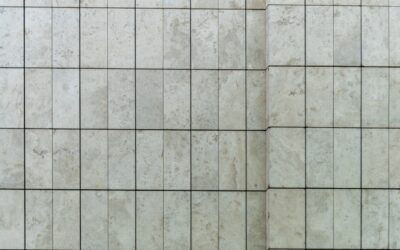
- Natural stone: tumbled marble, travertine, or pebble tile add organic, sandy texture.
- Mother-of-pearl and capiz shell: genuinely seaside materials with a soft iridescent glow, used sparingly.
- Glazed zellige or handmade tile: slight surface waviness reflects light like ripples on water.
Tile Shapes and Patterns
Shape changes the feel as much as color. Classic subway tile reads clean and casual, perfect for a relaxed cottage kitchen, and a stacked or herringbone layout adds quiet interest. Elongated tiles laid horizontally emphasize a calm, horizon-like line across the wall.
For more movement, consider fish-scale or scallop tile, which directly recalls waves and shells without being literal. Pebble mosaics evoke a tide line, while small glass mosaics shimmer like sunlight on the surface of the water. Pick one statement element and keep the rest restrained so the design stays serene rather than busy.
Coordinating With Cabinets and Counters
A backsplash never stands alone. White or light-painted cabinetry is the most natural partner for coastal style, reinforcing the bright, open quality. Soft blue or sage green cabinets can also work, with the backsplash kept lighter to balance them. Natural wood tones, especially in a weathered or whitewashed finish, lean into the driftwood side of the palette.
For countertops, light quartz or marble-look surfaces with gentle veining keep the eye moving smoothly from counter to backsplash. Avoid heavy, dark, high-contrast stone unless you want a more dramatic, modern coastal edge. The goal is harmony, with each surface supporting the same easy, sunlit feeling.
Lighting and Finishing Touches
Light is the secret ingredient of coastal design. Maximize natural daylight where you can, and use under-cabinet lighting to make glass or glossy tile sparkle the way water does in the sun. Warm-white bulbs keep the mood inviting, while overly cool light can make blues feel cold and clinical.
Finish the look with restrained accessories rather than nautical clichés. Open shelving with simple white dishes, a few woven baskets, a clear glass jar, or a single piece of natural coral or a bowl of shells will say “coastal” far more elegantly than anchor motifs. Let the backsplash be the star and keep everything around it calm.
Mixing Materials for Depth
Some of the most compelling coastal backsplashes combine two materials rather than relying on a single tile. A field of simple white subway tile with a narrow band of glass mosaic, or a sandy stone base accented by a row of shimmering shell tile, creates layers that feel collected over time rather than chosen all at once. This mix-and-match approach echoes how a real beach landscape blends sand, water, and weathered wood.
When mixing, keep one material dominant and let the others act as accents so the wall does not become chaotic. A good rule is to choose materials that share a color family but differ in texture, such as a matte stone paired with a glossy glass in the same soft blue. That contrast in finish catches light at different angles and gives the surface the gentle movement that defines coastal design.
Budget, Installation, and Upkeep
Cost varies widely by material. Ceramic and porcelain tile are the most economical, while glass, natural stone, and shell tiles run higher per square foot, and intricate mosaics add labor cost. As a rough planning range, a modest backsplash might land in the low hundreds of dollars for materials, while premium materials and professional installation across a larger area can reach the low thousands. Getting itemized local quotes is the only way to know for sure.
For upkeep, glass and glazed ceramic wipe clean easily and resist moisture, ideal behind a busy sink. Natural stone and unsealed materials need periodic sealing to resist staining from cooking splatter. Shell tiles are more delicate and belong in lower-splash areas. Match the material’s durability to where it will live, and your coastal backsplash will keep that fresh seaside feeling for years.