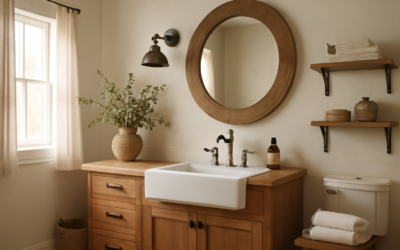
Beach kitchens used to mean nautical wallpaper, anchor hardware, and rope-trimmed mirrors. The current generation looks nothing like that. Modern coastal kitchen ideas lean on light woods, soft warm whites, brass and unlacquered metals, organic textures, and one or two pieces of nature-inspired stone. The look reads as relaxed, sophisticated, and unmistakably influenced by the ocean without ever using a starfish. Whether you live three blocks from the beach or three states away, the design language works in any home that wants brightness and calm.
Part of our Kitchen Remodeling guide — explore the full guide →
- The Defining Elements of Modern Coastal Style
- Color Palettes That Define the Look
- Cabinetry Choices That Work
- Countertop Materials
- Backsplash Ideas Beyond Subway Tile
- Flooring That Anchors the Space
- Lighting That Sets the Mood
- Hardware and Faucet Finishes
- Decor and Finishing Touches
- Frequently Asked Questions
The Defining Elements of Modern Coastal Style
Strip away the surface details and modern coastal comes down to five things. Light, airy color palette anchored by warm whites and soft neutrals. Natural materials including reclaimed and rift-sawn white oak, jute, and unfinished stone. Mixed metals with brass leading and matte black supporting. Generous natural light through large windows or skylights. Restrained accent colors pulled directly from beach and sky tones, used sparingly.
The result feels nothing like the busy nautical kitchens of the early 2000s. Modern coastal is closer to Scandinavian minimalism with warmer wood tones and a slightly looser, more relaxed sensibility.
Color Palettes That Define the Look
Three palette directions dominate current modern coastal design. Each works in different homes depending on how much warmth you want.
Bright White and Sand
Walls in Benjamin Moore Simply White (OC-117) or Sherwin-Williams Pure White, cabinets in the same shade or in a soft white oak, countertops in honed white quartz with subtle veining. This palette feels airy and modern, perfect for sunlit kitchens.
Warm Greige and Driftwood
Walls in Sherwin-Williams Accessible Beige or Benjamin Moore Edgecomb Gray, cabinets in weathered white oak or painted in soft warm white, countertops in white quartzite with driftwood-toned veining. This palette adds cozy warmth and works in north-facing or smaller kitchens.
Pale Blue Accents
Mostly white kitchen with a single accent in soft pale blue (Benjamin Moore Sea Salt or Sherwin-Williams Topsail) on the island, a backsplash, or open shelving. The blue should be subtle, never primary. Treat it like one piece of jewelry rather than the whole outfit.
Cabinetry Choices That Work
Modern coastal cabinet styles favor either flat-panel slab doors in white oak or simple Shaker doors in soft white. Avoid heavily detailed doors with raised panels or beadboard, both of which read as traditional or cottage rather than modern.
- Rift-sawn white oak slabs: Linear grain, organic texture, very current.
- Painted Shaker: Timeless, slightly more traditional, easier to repaint later.
- Two-tone: Light upper cabinets, oak or contrasting island for visual interest.
- Open shelving: Limited use; one or two sections for display, not entire walls.
Cabinet hardware should be brass (unlacquered or satin), matte black, or leather pulls for a modern coastal look. Skip polished chrome and brushed nickel; both read dated.
Countertop Materials
The countertop is where modern coastal kitchens often spend their biggest material budget. White quartz with subtle veining is the safest choice and runs $60-$100 per square foot installed. White quartzite (a natural stone) costs $80-$150 installed and shows organic veining patterns that feel uniquely beachy. Soapstone darkens with age and pairs beautifully with white oak cabinets, running $70-$120 installed.
Avoid heavy granite patterns and dark solid surfaces. Modern coastal favors stone that mimics water, sand, or weathered driftwood patterns rather than dramatic geological displays.
Backsplash Ideas Beyond Subway Tile
Subway tile became a coastal cliche. Current designers reach for less expected options.
- Zellige tile: Handmade Moroccan ceramic with irregular surfaces. Adds organic warmth.
- Vertical stack tile: Modern alternative to traditional subway with cleaner lines.
- Slab backsplash: Continuous countertop material running up the wall to upper cabinets.
- Fluted ceramic: Vertical reeded texture that catches light beautifully.
- Limestone or honed marble: Soft, natural look without polished glare.
Grout color matters as much as tile choice. White grout with white tile reads clean and modern. Gray or beige grout with white tile adds visual texture and is less prone to showing dirt.
Flooring That Anchors the Space
Wide-plank white oak flooring in a natural or whitewashed finish is the runaway favorite for modern coastal kitchens. Engineered hardwood from brands like Stuga or Carlisle costs $8-$15 per square foot installed and handles kitchen humidity better than solid hardwood.
For homes near the actual coast where moisture is constant, luxury vinyl plank in a similar light oak look performs better long-term and runs $4-$8 installed. Brands like Karndean Korlok and Coretec Pro offer convincing wood-look options.
Skip dark hardwoods, busy patterned tile, and high-gloss finishes. The flooring should recede and let the cabinetry and lighting do the talking.
Lighting That Sets the Mood
Layered lighting separates a thoughtful modern coastal kitchen from a flat-feeling one. Plan three layers:
- Ambient: Recessed cans on a dimmer, or a flush-mount fixture in cottage-style kitchens.
- Task: Under-cabinet LED strips at 3000K for warm white light over countertops.
- Accent: Pendant lights over the island. Brass and natural rattan are the current favorites.
Pendant fixtures from brands like Visual Comfort, Mitzi, and Cedar and Moss range from $300-$1,200 per fixture. For budget builds, Lulu and Georgia and West Elm carry modern coastal pendants in the $150-$350 range.
Hardware and Faucet Finishes
Brass dominates modern coastal kitchens, with matte black as a supporting accent. Unlacquered brass develops a patina over time and feels appropriately aged for the coastal aesthetic. Lacquered satin brass holds its finish if you prefer consistency. The faucet, cabinet pulls, and lighting should be in the same metal family for cohesion.
Faucets from brands like Kohler Purist, Newport Brass, or Brizo Litze fit the look at $400-$1,200. For tighter budgets, Pfister and Moen offer brass faucets in the $200-$400 range that read appropriately modern.
Decor and Finishing Touches
Restraint is the hardest part of modern coastal styling. Choose three or four well-considered decorative pieces rather than dozens of accents. A natural wood cutting board left out on the counter, a ceramic vase with a single eucalyptus stem, a stack of linen towels in soft cream or pale blue. That is enough.
Open shelves should display functional items (white dishes, a few cookbooks, a wood salad bowl), not collections of beach decor. Plants like olive trees in clay pots, snake plants, or fiddle leaf figs add organic life without leaning theme-y.
Frequently Asked Questions
How is modern coastal different from traditional coastal?
Traditional coastal includes nautical motifs (anchors, ropes, sea life), bright primary blues, and detailed cabinetry. Modern coastal uses softer colors, organic textures, mixed metals, and minimal beach-themed decor.
What is the most important element of modern coastal style?
Light. Whether through large windows, skylights, or layered electric lighting, the look depends on a bright, airy feel that mimics natural beach light.
Can I do modern coastal in a small kitchen?
Yes. The light palette and minimal decor actually make small kitchens feel larger. Skip dark accents and stick with white or warm neutrals on cabinets.
What flooring is best for a modern coastal kitchen?
Wide-plank white oak in a natural or whitewashed finish is the gold standard. Luxury vinyl plank in similar light tones works for budgets or homes with high humidity.