Concrete floors in a house have evolved from a utilitarian afterthought into a sought-after design feature. Polished, stained, and decorative concrete delivers a sleek, modern aesthetic that complements contemporary architecture, industrial lofts, and minimalist interiors. Beyond its visual appeal, concrete flooring is incredibly durable, low maintenance, and cost-effective, especially when the slab is already in place beneath your existing flooring.
Part of our Epoxy, Concrete & Garage Floors guide — explore the full guide →
This guide explores everything you need to know about using concrete floors in residential settings, including finish options, costs, pros and cons, and practical design considerations. For a broader overview, see our concrete flooring guide.
Types of Concrete Floor Finishes for Homes
Polished Concrete
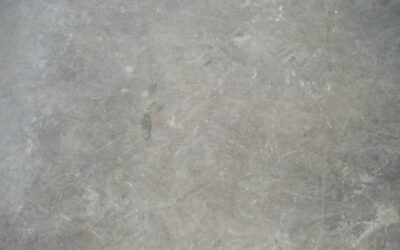
Polished concrete is achieved by grinding the surface with progressively finer diamond pads, similar to sanding wood. The process reveals the aggregate within the concrete and produces a smooth, reflective surface that ranges from a low satin sheen to a high mirror-like gloss. A chemical densifier is applied during polishing to harden the surface and reduce dusting.
Polished concrete is the most popular residential concrete finish because it is durable, easy to maintain, and beautiful in its simplicity. It works in every room except wet areas where its smooth surface can be slippery. Cost: $3 to $8 per square foot for polishing existing slabs.
Stained Concrete
Concrete staining adds color to the slab using either acid-based reactive stains or water-based non-reactive stains. Acid stains react chemically with the minerals in the concrete, creating rich, variegated earth tones in amber, brown, green, and blue. Water-based stains offer a broader color palette and more consistent, predictable results.
Stained concrete can be combined with scoring, saw-cutting, and masking to create tile patterns, borders, medallions, and custom designs. It is sealed with a clear topcoat for protection and sheen. Cost: $2 to $6 per square foot for staining and sealing.
Stamped and Textured Concrete
For new construction or patio-to-interior transitions, stamped concrete uses textured mats pressed into wet concrete to create patterns that mimic stone, tile, brick, or wood. This option is typically used in sunrooms, mudrooms, and covered patios that transition into the home.
Epoxy and Resinous Coatings
Epoxy and polyurethane coatings transform plain concrete into a seamless, high-performance surface available in solid colors, metallic swirls, and decorative flake systems. These coatings add a layer of protection against stains, chemicals, and wear while creating a visually striking floor. Learn more on our epoxy flooring page.
Microtopping Overlay
A microtopping is a thin, polymer-modified cement overlay applied over existing concrete to create a fresh, smooth surface. It is ideal for slabs with imperfections, patches, or previous coatings that cannot be polished. Microtoppings can be troweled into smooth or textured finishes and stained or dyed for color.


Pros of Concrete Floors in a House
Exceptional Durability
Concrete is one of the hardest flooring materials available. A properly finished concrete floor resists scratches, dents, stains, and wear far better than hardwood, laminate, or vinyl. It handles heavy furniture, pet traffic, and high heels without showing damage.
Low Maintenance
Polished and sealed concrete floors require only dust mopping and occasional damp mopping to stay clean. There is no waxing, refinishing, or deep cleaning required. Sealed concrete resists stains, spills, and moisture, making cleanup effortless.
Cost-Effective
If your home is built on a concrete slab, the floor is already there. Polishing or staining the existing slab costs $3 to $8 per square foot, which is significantly less than installing new hardwood ($8 to $20 per square foot) or tile ($7 to $20 per square foot). Even in new construction, concrete flooring is among the most affordable options.
Thermal Mass and Energy Efficiency
Concrete absorbs and stores heat, making it an ideal partner for radiant floor heating systems. The thermal mass of concrete helps regulate indoor temperature, storing warmth during the day and releasing it at night. This can reduce heating and cooling costs in well-designed homes.
Hypoallergenic
Concrete does not harbor dust mites, mold, pet dander, or pollen like carpet and some other flooring materials can. For allergy sufferers, concrete floors significantly improve indoor air quality.
Sustainable
Using the existing slab eliminates the need for additional flooring materials, adhesives, and underlayments. Concrete has a virtually unlimited lifespan, reducing waste from periodic floor replacements. It is one of the most environmentally responsible flooring choices available.
Cons of Concrete Floors in a House
Hard and Cold
Concrete is the hardest residential flooring option. Standing for long periods can cause foot, leg, and back fatigue. Dropped glasses and dishes will shatter on impact. Without radiant heating, concrete feels cold to bare feet, especially in winter. Area rugs and radiant heat mitigate both issues.
Limited Warmth and Acoustics
Concrete reflects sound rather than absorbing it, which can make rooms feel echoey. It lacks the visual and physical warmth of wood or carpet. Strategically placed rugs, soft furnishings, and wall treatments help balance the acoustics and warmth of rooms with concrete floors.
Potential for Cracking
Concrete cracks. It is not a question of if but when. Control joints minimize random cracking by creating predetermined crack lines, but hairline cracks can still develop. Many homeowners embrace cracks as part of concrete’s industrial character. For those who find them unacceptable, overlays and coatings can conceal them.
Moisture Challenges
Concrete on or below grade can transmit moisture vapor from the ground, which causes problems if sealed without proper moisture testing. A moisture vapor barrier under new slabs prevents this issue. For existing slabs, moisture testing determines whether polishing, staining, or coating is appropriate.
Best Rooms for Concrete Floors
Living Rooms and Great Rooms
Polished or stained concrete in open living areas creates a clean, modern foundation that lets furniture and decor take center stage. Large area rugs define seating zones and add warmth.
Kitchens
Concrete handles kitchen demands exceptionally well. It resists water, stains, and heavy traffic. Dropped food and spills clean up instantly on a sealed surface. The industrial aesthetic of concrete pairs beautifully with stainless steel, open shelving, and modern cabinetry.
Basements
Basements already have a concrete slab, making them ideal candidates for polishing or staining. This is often the most cost-effective way to finish a basement floor, and the durability of concrete handles the moisture and temperature variations common in below-grade spaces.
Entryways and Mudrooms
High-traffic entryways benefit from the bulletproof durability of concrete. Mud, snow, salt, and grit that would damage other flooring types rinse right off sealed concrete.
Bathrooms (With Caution)
Concrete can work in bathrooms if the surface is properly sealed and given a non-slip treatment. Polished concrete is too slippery for wet bathrooms. Textured or honed finishes with anti-slip sealers are safer choices. For a wider range of bathroom options, explore our waterproof flooring guide.
Design Ideas for Residential Concrete Floors
Industrial Modern
Embrace the raw beauty of concrete with a simple polish and minimal embellishment. Pair with exposed ductwork, metal accents, and open shelving for an authentic industrial aesthetic.
Warm Contemporary
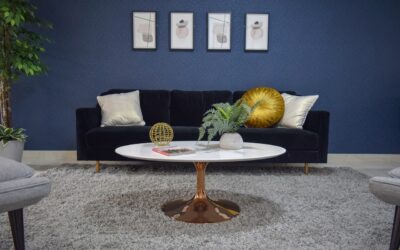
Warm up concrete with amber or brown acid stain, natural wood furniture, and plush area rugs. The combination of hard concrete and soft textiles creates a balanced, inviting space.
Patterned and Artistic
Use scoring, saw-cutting, and multi-color staining to create tile-like patterns, geometric designs, or custom artwork directly in the concrete surface. This approach turns the floor itself into a piece of art.
Seamless Living
Concrete floors in a house can flow continuously from room to room without transitions, creating a sense of spaciousness and cohesion. The seamless look is especially effective in open-concept floor plans.
Concrete Floor Costs for a Typical Home
For a 1,000-square-foot area on an existing slab, here are approximate total costs for different finish options.
- Basic polish (cream finish): $3,000 to $5,000
- Full aggregate polish (high gloss): $5,000 to $8,000
- Acid stain and seal: $2,000 to $6,000
- Epoxy coating: $4,000 to $10,000
- Microtopping overlay: $6,000 to $12,000
These costs are competitive with mid-range hardwood and tile installations and significantly less expensive than premium natural stone.
Maintenance and Care
Sealed and polished concrete floors need minimal care. Dust mop daily or as needed to remove grit. Damp mop weekly with a pH-neutral cleaner. Re-seal the floor every 2 to 5 years depending on traffic and finish type. Avoid harsh chemicals, acidic cleaners, and abrasive pads that can dull the surface.
Final Thoughts
Concrete floors in a house offer a unique combination of durability, low maintenance, modern aesthetics, and cost efficiency that few other materials can match. While they require thoughtful design and area rugs for warmth and comfort, the result is a floor that lasts the lifetime of the home with minimal upkeep. If you appreciate clean lines, industrial character, and practical performance, concrete floors deserve serious consideration.
Compare other flooring options for your home in our guides on hardwood flooring, tile flooring, and epoxy flooring.