Concrete siding for houses, more accurately known as fiber cement siding, has become one of the most respected exterior materials in residential construction. It blends the durability of cement with the look of wood, delivering a low-maintenance cladding that shrugs off fire, rot, and pests for decades. If you are comparing siding options for a new build or a re-side project, understanding how fiber cement performs, what it costs, and how it is installed will help you decide whether it belongs on your home.
What Fiber Cement Siding Is
Fiber cement is made from a mix of cement, sand, and cellulose fibers pressed into boards and panels. The fibers add strength and flexibility, while the cement provides hardness and weather resistance. The result is a heavy, rigid material that can be molded to mimic wood lap siding, shingles, or smooth modern panels. Major brands have made this material a staple, and many homeowners simply call it by the most well-known brand name even though several manufacturers produce it.
The Benefits of Concrete Siding
Fiber cement earns its popularity through a strong list of advantages:
- Durability: It can last fifty years or more with proper care, far outlasting many alternatives.
- Fire resistance: Because it is largely cement, it is noncombustible, a real benefit in wildfire-prone regions.
- Pest and rot resistance: Termites and other insects cannot eat it, and it does not rot like wood.
- Weather toughness: It handles wind, hail, moisture, and temperature swings well.
- Authentic looks: It convincingly imitates wood grain and comes in many profiles and colors.
- Low maintenance: Beyond occasional cleaning and repainting, it needs little upkeep.
The Drawbacks to Consider
No material is perfect, and fiber cement has trade-offs worth knowing:
- Weight: It is heavy, which makes installation more labor-intensive and best left to professionals.
- Higher upfront cost: It typically costs more than vinyl siding, though less than some premium materials.
- Installation difficulty: Cutting it creates silica dust, requiring proper safety precautions and specialized tools.
- Periodic repainting: Painted finishes eventually need refreshing, though factory-finished products extend that interval.
What Concrete Siding Costs
Pricing for fiber cement varies by region, brand, product line, and the complexity of your home, so treat any number as a general guide rather than a firm quote. As a rule of thumb, the material and professional installation together tend to fall in a mid-to-upper range among siding choices, generally more than vinyl but often less than natural wood or stone. Larger homes, intricate trim work, and removing old siding all add to the total. Because fiber cement lasts so long with little upkeep, many homeowners find the cost per year of service compares favorably to cheaper materials that need frequent replacement.
Installation Basics
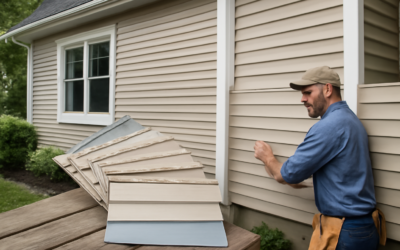
Fiber cement is not a casual weekend project. The boards are heavy and brittle to handle, and cutting them properly requires the right blade and dust protection. A correct installation depends on a solid moisture barrier behind the siding, proper fastening, careful flashing around windows and doors, and sealed joints to keep water out. Because mistakes can lead to moisture problems down the road, most homeowners hire experienced siding contractors rather than attempting it themselves. Confirm any installer has specific fiber cement experience and follows the manufacturer’s installation guidelines, which protect both performance and warranty.
Maintenance Over the Years
One of the biggest selling points of concrete siding is how little it asks of you. Wash it once or twice a year with a garden hose and a soft brush to remove dirt and mildew. Inspect the caulking around joints and openings periodically and reseal as needed. Painted finishes will eventually fade, so plan to repaint every so often, with intervals stretching long thanks to durable modern coatings. Promptly address any cracked board or damaged section to keep moisture out.
Styles and Finishes Available
One reason fiber cement appeals to so many homeowners is its versatility in appearance. It comes in traditional horizontal lap siding, shingle and shake profiles for a cottage look, vertical board-and-batten for a modern farmhouse feel, and large smooth panels for contemporary designs. Finishes range from convincing wood grain to clean smooth surfaces, and you can buy it pre-painted from the factory or primed for painting in any color you like. Factory-finished products carry baked-on coatings that resist fading and extend the time between repaints, which is worth the slightly higher cost for the durability and convenience.
Climate Suitability
Fiber cement performs well across a wide range of climates, which adds to its appeal. In hot, dry regions it resists warping and sun damage, in humid areas it does not rot or grow mold the way wood can, and in cold climates it handles freeze-thaw cycles without cracking when properly installed. Its noncombustible nature makes it a standout choice in wildfire-prone zones, where fire-resistant cladding can be a genuine safety advantage. Because it stands up to moisture, pests, and temperature extremes alike, it suits nearly any part of the country.
How It Compares to Other Siding
Against vinyl, fiber cement costs more but offers superior durability, fire resistance, and a higher-end appearance. Against natural wood, it delivers a similar look with far less maintenance and no rot or insect worries, usually at a lower long-term cost. Against brick or stone, it is lighter and cheaper while still providing strong durability. For many homeowners, fiber cement hits the sweet spot of toughness, looks, and value.
Does It Add Home Value?
Fiber cement siding is widely viewed as a strong investment in a home. Its durability, fire resistance, and upscale appearance appeal to buyers, and a re-side project with quality fiber cement typically recovers a healthy portion of its cost at resale. Because the material lasts so long with minimal upkeep, buyers see it as one less major expense to worry about, which supports the home’s value. Pairing it with good color choices and clean installation around windows and trim maximizes the curb appeal that drives those returns. For homeowners planning to stay or sell, fiber cement tends to pay off either way.
The Bottom Line
Choosing concrete siding for houses means investing in a cladding that resists fire, rot, and pests while looking like premium wood for decades. The trade-offs are a higher upfront cost, significant weight, and the need for skilled installation. If you want a durable, low-maintenance exterior that adds curb appeal and long-term value, fiber cement is one of the strongest options on the market, provided you hire experienced installers and keep up with simple periodic care.