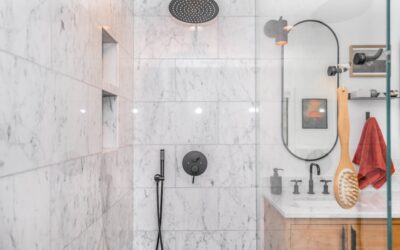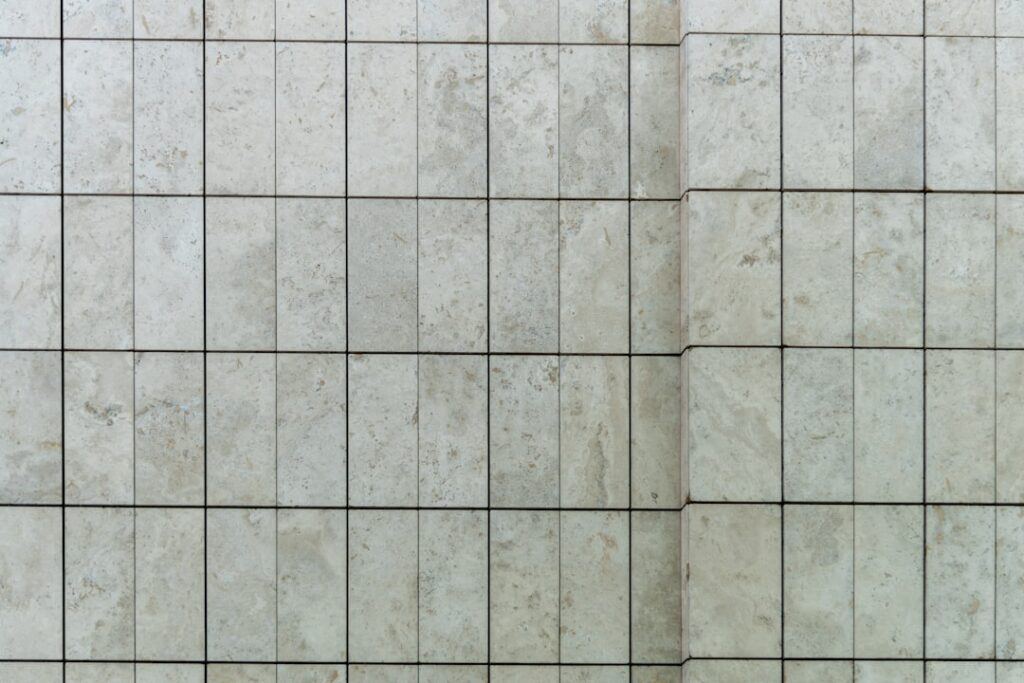
A corner shower is the rare bathroom upgrade that adds usable floor space instead of taking it away. Good corner tile shower ideas use the diagonal geometry to maximize elbow room, hide the plumbing wall behind a low-curb threshold, and lean on large-format porcelain to minimize grout joints. The best installs feel like they belong in a much bigger bathroom.
Part of our Bathroom Remodeling & Flooring guide — explore the full guide →
- Why Corner Configurations Work
- Minimum and Comfortable Footprints
- Tile Choices That Hold Up Wet
- Waterproofing That Will Not Fail in Year Three
- Curb, Threshold, or Curbless
- Glass Door and Enclosure Options
- Niche and Bench Details
- Grout, Sealer, and Long-Term Care
- Lighting Inside the Shower
- Fixture Picks Worth the Money
- Installed Cost Tiers
Why Corner Configurations Work
A corner shower uses two existing walls of the bathroom rather than building a new freestanding enclosure. That saves framing labor, reduces materials cost by 20 to 30 percent, and frees up wall space for vanity, toilet, or storage. Corner units also leverage diagonal sightlines to feel larger than their actual square footage. The neo-angle door — which sits at a 135-degree angle — projects only 24 to 30 inches into the room, compared to a 32-inch swing of a square enclosure door.
Minimum and Comfortable Footprints
IRC Section P2708.1 requires 30 inches of clear interior space measured perpendicular from the showerhead wall, so 36×36 is the practical floor minimum. Bump to 42×42 and you can shave and turn around without bumping the door. A 48×48 corner enclosure is the sweet spot for most 5×8 hall bathrooms — generous inside, modest in footprint.
Tile Choices That Hold Up Wet
- Porcelain 12×24: water absorption under 0.5 percent, PEI 4-5, DCOF 0.42+ for floor use
- Large-format 24×48: minimizes grout lines, requires lippage control clips
- Ceramic 4×4 mosaic: ideal for shower pans, small grout joints grip wet feet
- Marble hexagons: luxury look, requires impregnating sealer every 12 months
- Glass mosaic accent band: Bedrosians or Daltile, $18-$32 per square foot
The 2021 ANSI A137.1 standard sets the DCOF (dynamic coefficient of friction) wet-floor minimum at 0.42. Anything below that is a code problem and a slip hazard. Daltile’s RevoTile and MSI Stratus lines publish DCOF data on every floor tile.
Waterproofing That Will Not Fail in Year Three
The 2021 IRC and IPC both require a waterproof barrier behind any tile shower wall. Schluter Kerdi membrane over cement board is the gold standard — bond it with unmodified thinset and lap the seams 2 inches. The Kerdi-Drain shower pan kit plus Kerdi-Band corner pieces handles 95 percent of residential installs cleanly. Skip the pre-formed pan and you are committing to a hot mop or PVC liner, both of which take a full extra day.
Curb, Threshold, or Curbless
A 4-inch tile-clad curb is the standard. Drop to a low-profile 2-inch threshold for easier step-over. Going fully curbless requires a 2-inch slope across the bathroom floor toward a linear drain — a $1,200 to $2,500 upgrade once you factor in subfloor recessing or sleepers. The curbless look is stunning but only worth it if you are remodeling the whole bathroom down to the joists.
Glass Door and Enclosure Options
Frameless 3/8-inch tempered glass from CR Laurence or Coastal Shower Doors runs $900 to $1,800 for a neo-angle corner unit. Semi-frameless drops the price to $500 to $900. A fixed pivot panel with a 24-inch swing door uses less floor sweep than a sliding bypass — important in tight bathrooms. Specify low-iron glass if you want crystal clarity instead of the green cast you get on standard tempered.
Niche and Bench Details
A recessed shampoo niche on the plumbing wall sits between studs at 14-1/2 inches wide, 36 to 42 inches off the pan. Build it 4 inches deep with a 1/4-inch slope on the bottom shelf so water drains out. A floating tile-clad bench at 17 to 19 inches tall, 14 inches deep, doubles as a leg-shaving platform. Both features add roughly $400 to $700 to the install but read as custom luxury.
Grout, Sealer, and Long-Term Care
Use epoxy grout like Mapei Kerapoxy CQ or Laticrete Spectralock in shower floors — it resists mold and never needs sealing. On walls, a high-quality urethane grout like Bostik TruColor is easier to install and still mold-resistant. Skip standard sanded cement grout in any shower; you will be scrubbing pink mildew within 18 months.
Lighting Inside the Shower
The 2020 NEC permits wet-rated recessed cans inside a tiled shower as long as they sit at least 8 feet above the threshold. A pair of 4-inch Halo or Lithonia wet-rated LED cans at 2700K, 90+ CRI gives the right warm glow without making the tile read orange. Add a single waterproof LED strip from Diode LED inside the recessed niche for an accent that highlights toiletries. Total electrical add-on: $180 to $350 with permits.
Fixture Picks Worth the Money
A thermostatic shower valve from Moen Genta LX or Delta MultiChoice ($340 to $580) protects against the 120-degree scald limit IRC code requires. Add a Kohler Shower Column or Brizo Levoir rain head at 8 inches diameter, plus a Delta Faucet H2Okinetic hand shower on a 24-inch slide bar. Brass and brushed bronze finishes hold up better in hard water zones than polished chrome. Always specify the trim kit with the same brand as the valve — third-party trim kits look fine for two years then tarnish unevenly.
Installed Cost Tiers
A 36×36 corner shower with ceramic 4×4 tile and a semi-frameless door runs $4,500 to $6,800 installed. Upgrade to 48×48 with large-format porcelain, Schluter waterproofing, niche, and frameless glass and you are looking at $9,500 to $14,000. The most polished corner tile shower ideas live in that mid-tier — enough investment to get pro waterproofing and quality glass, but not so much that you cannot recoup it at resale. Budget an extra 12 to 15 percent of materials cost for tile attrition; first-time tilers waste twice that learning to score and snap large-format porcelain cleanly.
Prefer to explore on your own?
See how new flooring looks in your actual room in seconds — free, no signup.
Try the free Floor Studio →