A splash of red wine or olive oil on the wrong countertop can leave a permanent mark within minutes. The right countertop sealer is what stands between your porous stone and a stain that never comes out. Sealing forms an invisible barrier that slows liquids from soaking in, buying you time to wipe up spills before they penetrate. Knowing which surfaces need it and how to apply it protects your investment for years.
Part of our Countertops guide — explore the full guide →
Which Countertops Need Sealing
Not every surface needs a sealer, so start by identifying your material. Porous natural stones absorb liquids and benefit from sealing, while engineered surfaces usually do not.
- Granite: Most granite is porous and benefits from periodic sealing, though density varies by slab.
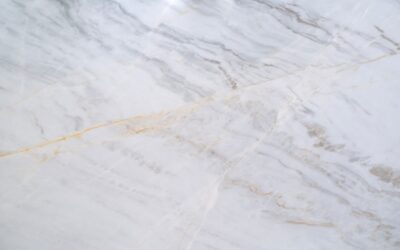
- Marble and travertine: Soft, porous, and prone to etching and staining. Sealing helps, but acids still etch the surface.
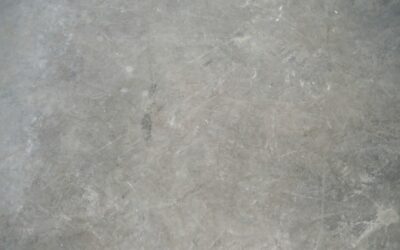
- Concrete: Very porous and should always be sealed.
- Soapstone: Naturally nonporous; treated with mineral oil for looks rather than sealed.
- Quartz (engineered): Nonporous and does not need a sealer at all.
- Laminate and solid surface: Nonporous and never sealed.
How Sealers Work
Most modern countertop sealers are penetrating, or impregnating, sealers. They soak into the pores of the stone and repel liquids from below the surface rather than forming a film on top. This keeps the stone looking natural while making it water- and oil-resistant. Topical sealers that leave a visible coating exist but are less common on kitchen stone because they can wear unevenly and look plasticky. For food preparation surfaces, choose a sealer labeled food-safe once cured, which the major penetrating sealers are.
How to Test If Your Counter Needs Sealing
Before sealing, run the simple water test. Drop a tablespoon of water on the counter and watch for about 15 minutes. If the water beads up and stays on the surface, the seal is intact and you can wait. If the stone darkens where the water sat, it is absorbing liquid and is due for a fresh coat of sealer. Repeat this test in a few spots, since density can vary across a single slab.
How to Apply Countertop Sealer
Application is a straightforward DIY job that takes under an hour for most kitchens.
- Clean the counter thoroughly and let it dry completely, since trapped moisture blocks the sealer.
- Work in a well-ventilated space and open windows, as solvent-based sealers give off fumes.
- Wear gloves and apply an even coat with a clean cloth or applicator pad per the product directions.
- Let the sealer dwell for the time the label specifies, usually several minutes, so it penetrates.
- Wipe off all excess before it dries, or it can leave a hazy residue.
- Apply a second coat if recommended, then let the surface cure fully before normal use.
Safety and Ventilation
Many sealers contain solvents, so treat the project with care. Keep the kitchen well ventilated during and after application, wear gloves to protect your skin, and avoid prolonged breathing of the fumes. Keep children and pets out of the area until the sealer has cured and the smell has cleared. Allow the full cure time before placing food directly on the surface, even with a food-safe product.
How Often to Reseal
Resealing frequency depends on the stone and how hard the counter works. As a general guide, many granite counters need resealing every one to three years, marble more often, and concrete on a similar schedule. Heavy-use kitchen islands and surfaces near the sink wear faster than a low-traffic perimeter. Rather than guessing, run the water test once or twice a year and reseal whenever the stone starts absorbing. Some premium sealers advertise much longer protection, so follow the specific product’s guidance.
Choosing the Right Sealer
Sealers come in a few formulations, and matching one to your stone matters. Water-based penetrating sealers are low-odor and easy to apply, a good choice for most granite and for indoor use where ventilation is limited. Solvent-based sealers penetrate deeper and can offer stronger protection on dense or oily stones, but they have stronger fumes and demand careful ventilation. Look specifically for an impregnating sealer labeled food-safe once cured for any kitchen counter. For high-traffic islands and busy kitchens, a premium long-life sealer can be worth the higher price for the extended protection it provides.
Common Sealing Mistakes
A few errors trip up first-time sealers. The most common is leaving excess sealer on the surface to dry, which creates a hazy, streaky film that is a pain to remove. Always wipe off every bit of excess before it sets. Another mistake is sealing damp stone, since trapped moisture prevents the sealer from penetrating and bonding. Skipping the water test and sealing on an arbitrary schedule wastes product on stone that does not need it. Finally, using a single coat on very porous concrete or marble when the label calls for two leaves gaps in protection. Follow the directions and your seal will perform as intended.
Daily Care After Sealing
A sealer slows stains but is not a force field. Wipe up spills promptly, especially acidic ones like citrus, wine, and vinegar that can etch marble regardless of sealing. Clean with a pH-neutral stone cleaner rather than harsh or acidic products, which break down sealers over time. Use cutting boards and trivets to spare the surface. With prompt cleanup and a fresh seal when the water test calls for it, your stone counters stay beautiful for the long haul.
Common Questions About Sealing Counters
Homeowners new to sealing tend to ask the same things. Does quartz need sealing? No, engineered quartz is nonporous and never needs a sealer. How soon after installation should you seal granite? Fabricators often apply a sealer, so run the water test before resealing rather than assuming. Will sealer change the look of the stone? A good penetrating sealer is invisible and keeps the natural finish, while a topical sealer can add sheen, which is why most people prefer the penetrating type. Is sealer food-safe? Choose a product labeled food-safe once cured and allow the full cure time before placing food directly on the surface.
Final Thoughts
Countertop sealer is cheap insurance for porous stone like granite, marble, and concrete, while quartz and laminate need none. Test before you seal, apply a penetrating food-safe product in a ventilated space, and reseal whenever the water stops beading. Pair that with gentle daily cleaning and quick spill cleanup, and your counters will resist stains for years.