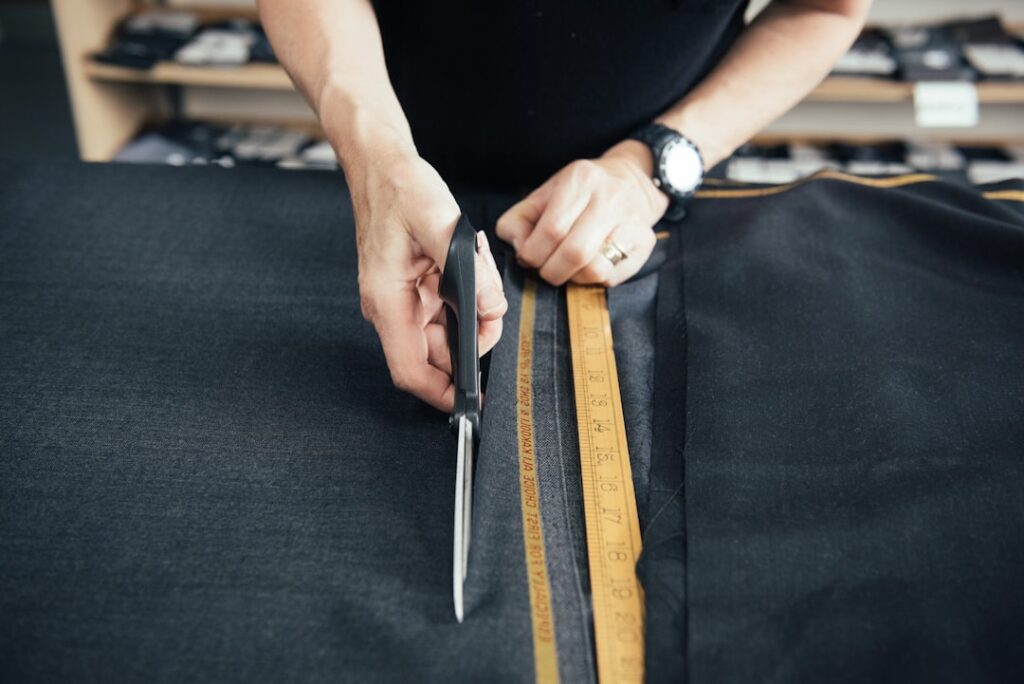
The most common rug-pad mistake is leaving it the same size as the rug, so the pad’s edge peeks out and telegraphs every footstep. Cutting rug pad down to the right dimensions fixes that instantly and takes about five minutes with tools you already own. A properly sized pad disappears under the rug, grips the floor, adds cushion, and extends the life of the rug above it. This guide walks through the exact measurements, the tools that make clean cuts, and a foolproof process for both rectangular and round pads.
- Why Cutting Rug Pad to Size Matters
- Tools You Will Need
- How Much to Cut Off
- Step-by-Step: Cutting a Rectangular Rug Pad
- Step 1: Lay the Rug Flat and Measure
- Step 2: Mark the Pad
- Step 3: Cut Along the Line
- Step 4: Test the Fit
- Cutting a Round or Irregular Pad
- Matching the Pad to Your Floor Type
- Thickness and the Cut You Make
- Storing and Reusing Offcuts
- When to Skip Cutting Altogether
- Common Mistakes to Avoid
- Final Thoughts
Why Cutting Rug Pad to Size Matters
A rug pad should sit roughly 1 inch smaller than the rug on all sides. That inch of setback keeps the pad completely hidden, lets the rug’s edge taper naturally to the floor, and prevents the pad from creating a raised lip that people trip over or that catches a vacuum. If the pad matches or exceeds the rug’s footprint, the edges curl, show, and collect dust. Cutting it down is not optional fussiness—it is the difference between a rug that lies flat and one that never looks quite right.
There is a functional reason too. Pads that extend to or past the rug edge get stepped on directly, compressing and tearing far faster than a pad protected under the rug body. Trim it back and the pad lasts as long as the rug.
Tools You Will Need
You do not need anything specialized. Most of this is already in a kitchen or garage.
- Sharp utility knife or heavy-duty scissors: A fresh utility blade cuts felt and rubber cleanly in one pass. Dull blades snag and leave ragged edges.
- Tape measure: A 25-foot tape handles any home rug.
- Straightedge or carpenter’s square: A metal yardstick or 4-foot level works as a cutting guide for straight lines.
- Chalk, a washable marker, or painter’s tape: For marking cut lines on the pad.
- A hard, protected surface: A cutting mat, scrap plywood, or a cardboard sheet to protect the floor beneath.
How Much to Cut Off
The math is simple. Subtract 2 inches from both the length and the width of your rug, because you are removing 1 inch from each of the two opposing edges. A few real examples:
- 5 by 7 ft rug: Cut the pad to about 4 ft 10 in by 6 ft 10 in.
- 8 by 10 ft rug: Cut the pad to about 7 ft 10 in by 9 ft 10 in.
- 9 by 12 ft rug: Cut the pad to about 8 ft 10 in by 11 ft 10 in.
- Round rug, 8 ft diameter: Cut the pad to about 7 ft 10 in diameter (1 inch smaller radius all around).
If you prefer a slightly more conservative setback, cutting 1.5 inches off each side (3 inches total per dimension) is fine and gives extra insurance that no pad shows. Never go the other way—an oversized pad is the whole problem you are trying to avoid.
Step-by-Step: Cutting a Rectangular Rug Pad
Step 1: Lay the Rug Flat and Measure
Roll the rug out on a hard floor and measure its actual length and width. Don’t trust the label—rugs often run an inch or two off their stated size. Write down the real numbers.
Step 2: Mark the Pad
Unroll the pad on your protected cutting surface. Measure and mark your target dimensions (rug size minus 2 inches per side) using chalk or painter’s tape. Snap or draw a straight line between marks using your straightedge.
Step 3: Cut Along the Line
Place the straightedge firmly on the keep side of the line. Draw the utility knife along the metal edge in one confident stroke, keeping steady downward pressure. For thick felt-and-rubber pads, make two or three lighter passes rather than forcing one deep cut—it stays straighter and is safer for your hands. Keep fingers well behind the blade path.
Step 4: Test the Fit
Lay the trimmed pad down and set the rug on top. Check that the pad hides on all four sides with about an inch of rug overhang. Trim any spots that still show.
Cutting a Round or Irregular Pad
Round rugs are easier than they look. Center the rug on top of the uncut pad, trace around the rug’s edge with chalk, then remove the rug and cut a second line 1 inch inside your traced circle. Cut in short, smooth arcs with sharp scissors rather than a utility knife—scissors follow curves far better. For runners and irregular shapes, the same trace-then-inset method works: outline the rug, step in 1 inch, and cut.
Matching the Pad to Your Floor Type
Before you cut, make sure you have the right pad material, because you cannot un-cut a mistake. Felt-and-rubber pads (about 1/4 to 3/8 inch thick) suit hardwood, laminate, and tile—they add cushion and grip without harming finishes. Thin rubber waffle pads work on low-pile rugs over hard floors. Avoid PVC or plastic-backed pads on hardwood; some can react with the floor finish over time and leave a haze or discoloration. When in doubt, a natural-rubber or felt-backed pad is the safest all-around choice, and both cut cleanly with the method above.
Thickness and the Cut You Make
Pad thickness changes your cutting approach. Thin rubber waffle or open-weave pads (around 1/8 inch) cut cleanly with a single utility-knife pass or even sharp scissors. Standard felt-and-rubber pads at 1/4 inch cut best with two or three lighter passes so the blade does not drift. Thick memory-foam or 3/8-inch felt pads are dense enough that you should score the top layer first, then run the blade again through the felt body—forcing a single deep cut through thick felt almost always wanders off your line. Whatever the thickness, let the blade do the work and avoid sawing back and forth, which frays the edge.
If your pad is a natural-rubber type, note that it can be slightly tacky and grab the blade. A quick wipe of the blade with a dry cloth between passes keeps it gliding. Replace the blade the moment cuts start to tear rather than slice—rubber dulls a blade quickly.
Storing and Reusing Offcuts
Do not throw away the strips you trim off. Rug-pad offcuts are genuinely useful around the house. Small squares placed under furniture legs stop chairs and tables from sliding on hard floors and protect finishes. A strip under a doormat keeps it from creeping. Longer pieces work under bathroom or kitchen mats that tend to skate around. Roll the offcuts loosely and store them flat—folding rubber pads sharply can crease them permanently. Keeping a few pieces on hand means you rarely need to buy dedicated furniture grippers again.
When to Skip Cutting Altogether
Occasionally cutting is the wrong move. If you bought a pad specifically sized to your rug (many retailers sell pads in standard rug dimensions already set 1 inch under), it may need no trimming at all—just confirm the fit and leave it. For rugs you rotate seasonally between rooms of different sizes, you may prefer to buy a pad sized to the smaller room and accept a slightly larger overhang in the bigger room rather than cutting it down permanently. And if a rug is very valuable or an heirloom, have a rug specialist recommend and fit the pad so you are not guessing.
Common Mistakes to Avoid
- Cutting freehand: Always use a straightedge for straight lines. Freehand cuts wander and show.
- Using a dull blade: Change the utility blade before you start. It is a five-cent part that saves ragged edges.
- Measuring the label, not the rug: Rug dimensions vary. Measure the actual rug every time.
- Cutting on bare flooring: Always protect the floor underneath with cardboard or plywood, or the blade will score it.
Final Thoughts
Cutting rug pad to the correct size is one of the simplest upgrades you can make to any rug, and it costs nothing but a few minutes and a sharp blade. Remember the core rule: trim the pad so it sits 1 inch inside the rug on every edge, measure the real rug rather than the label, and use a straightedge for clean lines. Whether your pad is rectangular, round, or a runner, the trace-and-inset approach gives a perfect, invisible fit—so your rug lies flat, grips the floor, and lasts for years.