Handmade tile has a charm that flat, machine-perfect tile cannot match, but true handmade tile can be costly and fussy to install. Daltile Remedy sits in between. It is a glazed porcelain wall tile with an undulating, artisan look and a glossy glaze that pools in the low spots, so every piece catches light a little differently.
Part of our Tile & Grout guide — explore the full guide →
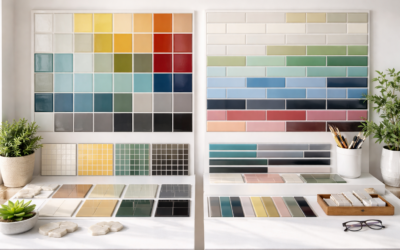
Daltile currently offers the collection in ten colors, from deep blues to soft whites, in two styles: a handcrafted-look smooth tile and a fluted tile, both in a 2 x 10 inch format with a glossy finish. The line is made in the USA and is rated for walls, backsplashes and pool linings, not floors or countertops. If you have seen it listed as “dal tile remedy” on a shopping site, it is the same collection.
Daltile Remedy Colors, Sizes and Finish
The color names come from Daltile’s 2025 expansion announcement and from dealer listings of the original colors. Sizes are nominal, so actual dimensions may be slightly smaller.
| Color | Color family | Styles and size | Finish |
|---|---|---|---|
| Tonic | Warm neutral, sand to rust family (added 2025) | Handcrafted and fluted, 2 x 10 in | Glossy |
| Aura | Warm neutral, sand to rust family (added 2025) | Handcrafted and fluted, 2 x 10 in | Glossy |
| Vitality | Cool ocean blue (added 2025) | Handcrafted and fluted, 2 x 10 in | Glossy |
| Oasis | Cool ocean blue (added 2025) | Handcrafted and fluted, 2 x 10 in | Glossy |
| Elixir | Original color | Check current sizes and styles | Glossy |
| Hydro | Original color, blue | 2 x 10 in; check current styles | Glossy |
| Herbal | Original color | 2 x 10 in; check current styles | Glossy |
| Zen, Alchemy, Antidote | Original colors | Check current sizes | Glossy |
Older product sheets and some dealer listings show Remedy in other formats, including a roughly 2 1/2 x 9 1/2 inch piece. Those may be older versions of the line. Before you order, confirm the exact size and style for your chosen color on the current Daltile spec sheet, and buy all your tile from one production lot so the glaze matches.
Typical pricing for artisan-look porcelain wall tile like this runs around $10 to $25 per square foot for material, with installation for a narrow-format backsplash often adding $15 to $30 per square foot because of the extra cuts and careful layout.
What Makes Remedy Different From Standard Subway Tile
Most subway tile is perfectly flat with crisp edges. Remedy has a gently undulating face and softer edges, and the glossy glaze varies in depth from piece to piece. That variation is the whole point: a wall of Remedy reads like hand-glazed clay, with light rippling across the surface.
The 2 x 10 shape is also slimmer than a classic 3 x 6 subway. It stretches the eye along the wall and suits stacked or vertical layouts. The fluted version adds raised ribs for extra shadow and texture, and works well as an accent band, a niche back, or a full feature wall behind a range.
Being porcelain rather than clay ceramic, the tile is dense. Daltile’s announcement describes it as waterproof, stain resistant, freeze/thaw resistant, and suitable for indoor and outdoor walls in freezing and non-freezing climates. It also uses Daltile’s RevealSync 3D imaging for the surface look.
Layout Ideas for Backsplashes and Showers
Horizontal stacked
Running the 2 x 10 tiles horizontally in a straight stack gives a calm, modern look and lets the glaze variation do the work. It suits a long run of kitchen backsplash between upper and lower cabinets.
Vertical stacked
Turning the tile vertical draws the eye up. It makes a short wall feel taller and looks especially good behind a range hood or on a shower accent wall.
Offset brick pattern
A classic one-third or half offset works, but with a long, narrow tile a one-third offset reduces lippage caused by any slight bow along the length. It also feels less busy.
Herringbone
A 2 x 10 tile makes a slender, elegant herringbone. It takes more cuts and more time, so budget for higher labor if a pro is installing.
Fluted accent
Use the fluted tile as a vertical feature behind a vanity mirror, inside a shower niche, or as the full backsplash behind a range, then run the smooth tile everywhere else in the same color.
Grout Pairing
The grout color changes the look more than most people expect. A few rules of thumb:
- Matching grout (same tone as the tile) gives the softest, most handmade look and lets the glaze shine.
- Slightly lighter grout on deep blues and greens outlines each tile and adds a crafted feel.
- Warm off-white grout suits the warm sand and rust colors.
- Avoid stark white grout with deep colors behind a stove; it stains and draws attention to every joint.
Because the edges are softened, joints will look slightly uneven. Plan for a narrow but not razor-thin grout line, and follow Daltile’s recommended joint width for the line. Unsanded grout is common for narrow joints; check the grout maker’s guidance for your joint size. Use tile spacers to keep the joints consistent, since a handmade-look tile drifts quickly without them.
Tools and Materials
- Remedy field tile plus 10 to 15 percent extra for cuts, breakage and color blending
- Thinset rated for porcelain (or mastic only where the tile and setting material makers allow, never in wet shower areas)
- Small V-notch or square-notch trowel per the setting material label
- Tile spacers and a small level
- Wet saw with a fine diamond blade, or a quality manual cutter for straight cuts
- Grout, grout float, sponge and buckets
- Edge trim, such as a metal profile or matching trim, for exposed ends
- Color-matched silicone caulk for inside corners and the counter joint
- Waterproofing membrane for shower walls
How to Install Remedy on a Backsplash
- Blend your boxes. Open several cartons and mix tiles as you go so color and glaze variation spreads evenly across the wall.
- Prep the wall. Wall surfaces should be clean, flat and dry. Patch holes and sand high spots. For any electrical boxes, turn off the breaker and confirm power is off with a non-contact voltage tester before removing cover plates.
- Plan the layout. Dry-lay a row on the counter. Center the pattern on the range or sink and avoid thin slivers at the ends.
- Set a level start line. Counters are rarely level. Snap a level line one tile up and work from it, cutting the bottom row to fit.
- Spread and set. Spread thinset in small areas, back-butter the undulating tiles for full contact, and press them in with spacers.
- Check flatness often. With an uneven face, focus on keeping edges aligned rather than chasing a perfectly flat surface.
- Grout. After the thinset cures, grout diagonally, then sponge carefully. Glossy undulating tile can trap haze in low spots, so wipe twice.
- Caulk. Use silicone, not grout, at the counter line and inside corners.
In showers, the wall needs a proper waterproofing system behind the tile. Remedy is a wall tile, so do not use it on the shower floor.
Troubleshooting
- Uneven joints: Expected to a point with handmade-look tile. Use spacers and step back often to judge the overall look.
- Edges sticking out: Back-butter each tile and adjust as you go. Rotate a piece end for end if it sits proud.
- Grout haze in low spots: Buff with a dry cloth after initial cleanup, or use a haze remover made for porcelain.
- Color patches: Tiles were not blended. On a small area, you can pull and replace a few pieces before grout cures.
- Cracked tile near outlets: Cut slowly and support the tile fully on the saw.
Care and Cleaning
Glazed porcelain is easy to keep clean. Wipe with warm water and a mild, pH-neutral cleaner. Avoid abrasive pads on the gloss. Seal cement-based grout behind a range or sink to keep grease and coffee from soaking in, and reseal grout as the sealer maker recommends.
When to Call a Pro
A straight-stacked backsplash is a reasonable DIY job. Hire a tile setter for herringbone, full shower walls, fluted feature walls, or anywhere the wall is out of plumb. Call a licensed electrician if you need new outlets or want to move existing ones, and remember that kitchen and bath outlets need GFCI protection. A licensed plumber should handle any fixture moves in a shower remodel.
Frequently Asked Questions
How many colors does Daltile Remedy come in?
Daltile lists ten colors after a 2025 expansion that added Tonic, Aura, Vitality and Oasis to the original range. Confirm current availability for each color with a dealer.
What size is Remedy tile?
The current handcrafted and fluted styles are nominal 2 x 10 inches. Older listings show other sizes, so check the current spec sheet for your color.
Can Remedy tile go on a shower floor?
No. Daltile rates Remedy for walls, backsplashes and pool linings, not floors, countertops or shower floors.
Is Remedy ceramic or porcelain?
It is a glazed porcelain wall tile, made in the USA according to Daltile.
What grout color works best with Remedy?
Matching grout gives the softest handmade look. A slightly lighter grout outlines each tile. Avoid stark white with deep colors in cooking areas.