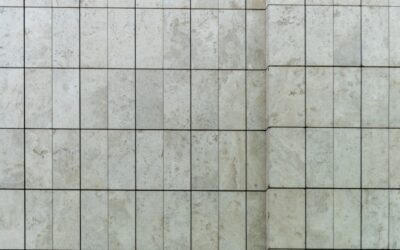
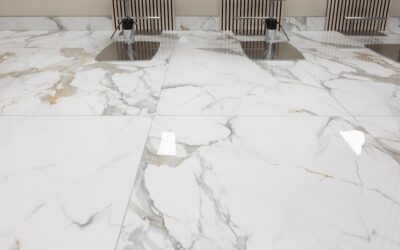
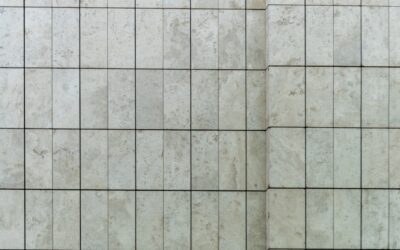
Walk through any modern bathroom remodel and you’ll notice the seamless, large-format walls that look like stone or concrete but never need sealing. That’s the appeal of porcelain wall tile, a dense, water-resistant material that has largely overtaken ceramic for premium walls because it’s tougher, more versatile, and available in formats that mimic marble, wood, and cement convincingly. Whether you’re tiling a shower surround, a kitchen backsplash, or a full feature wall, porcelain offers a durable, low-maintenance surface that holds up for decades. This guide explains the types, the right applications, and the installation details that ensure a flawless result.
Part of our Tile & Grout guide — explore the full guide →
What Sets Porcelain Apart
Porcelain is a type of ceramic, but a denser, more refined one. It’s made from finer clay fired at higher temperatures, producing a tile that’s harder, less porous, and more water-resistant than standard ceramic. That low porosity, generally under 0.5 percent water absorption, is what makes porcelain so resistant to moisture and staining.
For walls, that density translates to a surface that shrugs off humidity, soap scum, and splashes without sealing. The higher firing also allows for crisp, detailed printing, which is why today’s porcelain can convincingly imitate marble veining, wood grain, and concrete texture.
Types of Porcelain Wall Tile
Porcelain wall tile comes in several styles and formats to suit different looks:
- Glazed porcelain: A printed, glazed surface available in nearly any color, pattern, or finish. The most common and versatile type.
- Polished porcelain: A glossy, reflective surface that brightens a space and reads luxurious.
- Matte and textured: Softer, more contemporary looks that hide water spots and fingerprints.
- Large-format slabs: Big panels, sometimes 24 by 48 inches or larger, that minimize grout lines for a seamless, slab-like wall.
- Look-alikes: Marble-, wood-, and concrete-effect tiles that deliver high-end looks at a practical price.
Where to Use It
Porcelain’s durability and water resistance make it ideal for wet and high-traffic areas. Shower surrounds and tub walls are prime candidates, since porcelain handles constant moisture without absorbing it. Kitchen backsplashes benefit from its easy-clean surface that wipes free of grease and splatter.
Beyond the obvious, porcelain works beautifully on feature and accent walls, fireplace surrounds, laundry and mudroom walls, and even exterior facades in some applications. Large-format porcelain has become a go-to for creating dramatic, low-grout statement walls that look like solid stone.
Porcelain vs. Ceramic for Walls
This is the question most homeowners weigh, and the answer depends on the application. Standard ceramic wall tile is lighter, easier to cut, and cheaper, making it a perfectly good choice for dry, low-moisture walls and budget projects. Porcelain costs more and is harder to cut, but it’s denser, more water-resistant, and more durable.
For a shower, a wet wall, or a high-end large-format look, porcelain is worth the premium. For a simple, dry accent wall or a tight budget, quality ceramic does the job. One practical note: porcelain’s hardness means you’ll want a wet saw with a diamond blade rather than a basic snap cutter for clean cuts.
Installation Considerations
Tiling a wall in porcelain rewards careful prep. Start with a flat, sound, properly waterproofed substrate, cement board or a waterproof membrane in wet areas, since porcelain itself is dense but the joints and substrate still need moisture protection. Use a high-quality polymer-modified thinset rated for porcelain, because the tile’s low porosity means it bonds differently than ceramic.
Keep these points in mind for a professional result:
- Plan your layout to avoid thin slivers at edges and to center the pattern where it matters most.
- Use the correct trowel notch for the tile size, especially with large-format tiles that need full coverage to prevent cracking.
- For big tiles, use a leveling system to prevent lippage, where one tile edge sits proud of the next.
- Cut with a wet saw and diamond blade for clean, chip-free edges.
- Let the thinset cure before grouting, and seal the grout in wet areas afterward.
Cleaning and Maintenance
Low maintenance is one of porcelain’s biggest selling points. The tile surface needs no sealing and cleans easily with warm water and a mild, pH-neutral cleaner. For soap scum or grime in a shower, a non-abrasive cleaner and a soft cloth or sponge do the job without dulling the finish.
The grout is the part that needs attention. Seal it after installation and periodically thereafter, and squeegee shower walls to keep grout lines from collecting mildew. Avoid harsh abrasives and steel wool, which can scratch polished surfaces. With minimal care, porcelain walls look fresh for decades.
Cost Expectations
Porcelain wall tile spans a broad price range. Basic glazed porcelain starts around $3 to $7 per square foot for materials, mid-range look-alikes run $7 to $15, and large-format slabs and premium designer lines climb higher. Installation adds to that, with large-format and intricate layouts costing more in labor. Order about 10 percent extra to cover cuts, breakage, and future repairs.
Working With Large-Format Porcelain
Large-format porcelain has surged in popularity for the seamless, slab-like walls it creates, but the bigger tiles demand more skill to install. Flatness is everything; any dip or bump in the substrate shows up as lippage, where one tile edge sits higher than the next. Big tiles also need near-total thinset coverage on the back to prevent hollow spots that can crack under stress.
Professionals use back-buttering, applying thinset to both the wall and the tile, along with a leveling clip system to keep adjacent tiles perfectly flush. Cutting large slabs cleanly requires a rail-guided wet saw rather than a basic tile cutter. If you love the dramatic, low-grout look of large-format porcelain, it’s often worth hiring an experienced installer, since the margin for error is far smaller than with standard tile.
Slip Resistance and Finish Choices
While we’re focused on walls, finish still matters for both look and practicality. Polished porcelain delivers a luxurious, reflective surface that brightens a room and reads high-end, but it shows water spots and fingerprints more readily. Matte and textured finishes hide those marks and lend a soft, modern feel that suits contemporary baths.
If any of the tile will wrap onto a shower floor or threshold, choose a textured or matte finish with adequate slip resistance, since polished porcelain becomes slick when wet. Many lines offer coordinated wall and floor tiles with matching looks but different finishes specifically for this reason, letting you keep a cohesive design while staying safe underfoot.
Final Thoughts
Porcelain wall tile is the durable, waterproof, low-maintenance choice that earns its slight price premium over ceramic, especially in showers and other wet areas. Pick the format and finish that match your look, from glossy marble effects to matte concrete, and invest in proper substrate prep and the right thinset. Seal your grout, cut with a wet saw, and you’ll get a beautiful, hardworking wall surface that stays looking new for many years.
Prefer to explore on your own?
See how new flooring looks in your actual room in seconds — free, no signup.
Try the free Floor Studio →