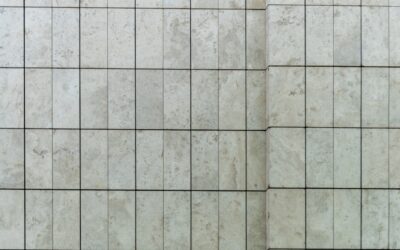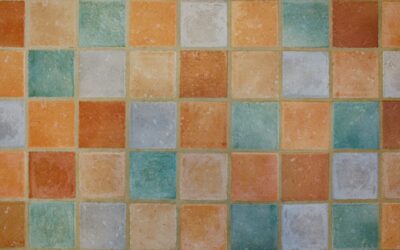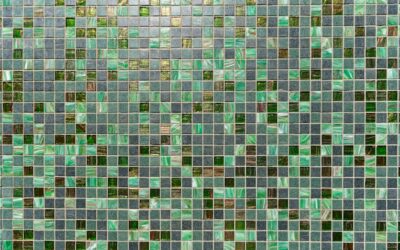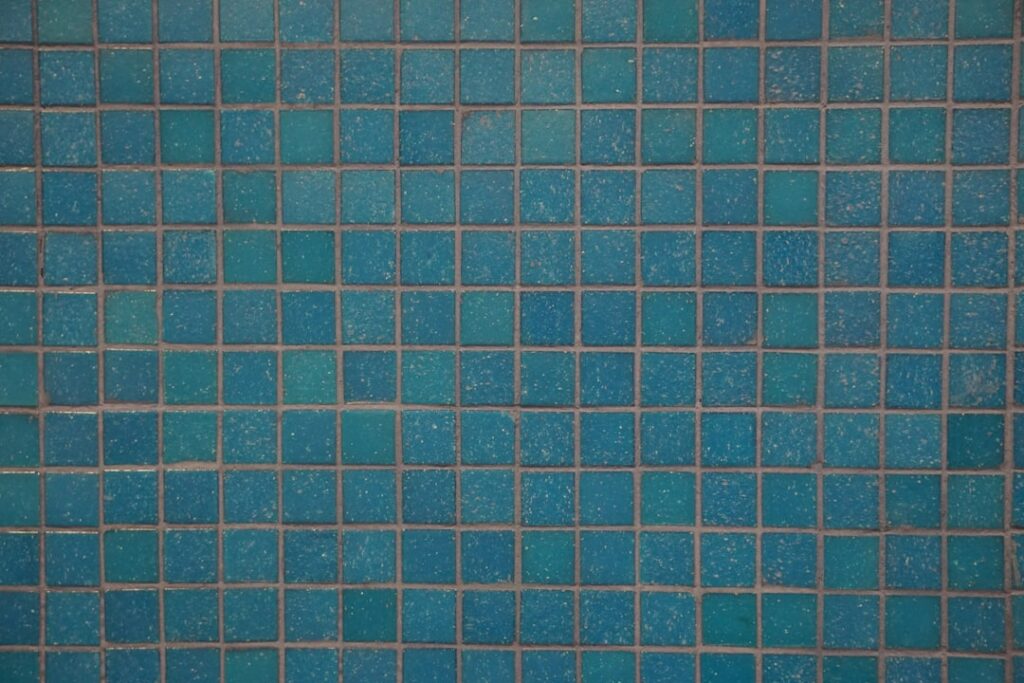
The reason designers reach for tiny tiles in showers isn’t just looks — all those grout lines create grip exactly where wet feet need it. Porcelain mosaic tile consists of small porcelain pieces, usually under 2 inches, mounted on mesh-backed sheets that install quickly across floors, shower pans, walls, and backsplashes. Porcelain’s density makes these mosaics tough, water-resistant, and suitable for nearly any room in the house, indoors or out.
Part of our Tile & Grout guide — explore the full guide →
This guide covers the shapes and formats available, why porcelain beats ceramic for many jobs, slip resistance, how mesh-backed installation works, and how to keep mosaic grout clean.
Why Porcelain for Mosaics
Porcelain is a denser, harder version of ceramic, fired at higher temperatures so it absorbs very little water — generally under 0.5 percent. That low absorption makes it frost-resistant and ideal for wet areas and outdoor use, where standard ceramic might crack or stain.
For mosaics specifically, porcelain’s durability matters because the small pieces often go in high-wear, high-moisture spots like shower floors and entryways. Many porcelain mosaics are through-body or full-body, meaning the color runs throughout, so chips are far less visible than on glazed-only ceramic.
Shapes, Sizes, and Formats
One of the biggest draws is the sheer variety of patterns. Mosaics come pre-arranged on mesh sheets, so you get intricate designs without setting each tiny piece by hand. Popular formats include:
- Square mosaics — classic 1×1 or 2×2 inch grids, clean and timeless.
- Hexagon — the on-trend honeycomb look, modern yet vintage.
- Penny round — small circles with a retro, playful feel.
- Subway and brick — small rectangles in offset patterns.
- Herringbone and basketweave — woven patterns that add visual movement.
Finishes range from polished and glossy to matte and textured. For floors and wet areas, a matte or textured finish is the safer pick because it provides more grip than a slick polished surface.
Slip Resistance and Where to Use It
Mosaic tile is a favorite for shower floors precisely because of its grip. All those grout lines between small tiles break up the surface and channel water, giving bare feet far more traction than one large slippery tile would. That makes porcelain mosaics ideal for shower pans, wet rooms, and pool surrounds.
For slip resistance, look at the tile’s COF (coefficient of friction) rating where available and favor matte or textured surfaces in wet zones. Glossy mosaics look beautiful on walls and backsplashes but are a poor choice underfoot where water collects.
How Mesh-Backed Installation Works
The mesh backing is what makes mosaics approachable for DIYers. Instead of placing dozens of individual chips, you set entire sheets at once, and the spacing between pieces stays consistent automatically.
- Prepare a flat, clean substrate — for showers, a properly sloped and waterproofed base.
- Spread thinset with a fine-notch trowel sized for small tile.
- Press each sheet firmly and evenly, aligning the edges so seams between sheets match the internal spacing.
- Use a grout float or beating block to embed the sheet flat and flush.
- Check that no sheet lines stand out before the thinset sets.
Use white thinset under light or translucent mosaics so it doesn’t show through. After the thinset cures, grout the entire surface, working the grout into every small joint.
Grouting Mosaics the Right Way
Mosaics have a lot of grout joints relative to their surface area, so grouting takes more time and material than large-format tile. Choose grout based on joint width — sanded grout for wider joints, unsanded for very tight ones — and consider a quality grout for stain and crack resistance in wet areas.
Work the grout diagonally across the sheets to fill every joint, then wipe with a damp sponge in gentle circular passes, rinsing often. Because there are so many lines, expect to do several careful cleaning passes to remove haze. A grout sealer applied after curing helps keep all those joints clean and stain-free.
Cleaning and Maintenance
The tile itself is easy — porcelain is dense and stain-resistant, so warm water and a pH-neutral cleaner handle routine cleaning. The grout is where most maintenance effort goes, since the many joints can collect soap scum and mildew in showers.
- Wipe down shower mosaics regularly to prevent soap-scum buildup.
- Use a soft brush and a gentle tile cleaner on grout lines as needed.
- Reseal grout periodically in wet areas to keep it clean and water-resistant.
- Avoid harsh acidic cleaners that can erode grout over time.
A squeegee after showers cuts down dramatically on water spots and mildew, keeping those many grout lines looking fresh longer.
Cutting and Fitting Mosaic Sheets
One advantage of mesh-backed mosaics is how easily they shape around obstacles. To fit a sheet around an outlet, a faucet, or a corner, you can often simply snip individual tiles off the mesh backing with utility scissors or nippers and rearrange them, rather than making a single complex cut. Loose pieces let you build a custom fit piece by piece.
For straight cuts through individual tiles, tile nippers handle small trims, while a wet saw gives clean, precise edges on harder porcelain. Plan your sheet layout so cut pieces land in less visible areas — under cabinets, behind fixtures, or at the room’s edges. Dry-fit a few sheets before spreading thinset to confirm the spacing between sheets matches the spacing within them, which keeps the grid looking uniform with no obvious seams between sheets.
Cost and Budgeting
Porcelain mosaic pricing varies with the format and finish. Simple square and hexagon mosaics tend to be the most affordable, while penny rounds, intricate patterns, and specialty finishes cost more per square foot. Because mosaics are often used in smaller areas like backsplashes, shower floors, and accent bands, the total material cost stays manageable even for premium designs.
- Budget for thinset, grout, and a grout sealer in addition to the tile.
- Order about 10 percent extra to cover cuts, breakage, and future repairs.
- Factor in professional labor if you’re tiling a shower floor, where waterproofing and slope are critical.
Mosaics reward spending a bit more on quality grout and sealer, since those products protect the many joints that define a mosaic’s look and do the most to keep it clean over time.
Is It the Right Tile for Your Project?
If you want a durable, water-resistant tile with grip and design flexibility, mosaics are an excellent choice — especially for shower floors, backsplashes, and accent borders. The main trade-off is grout maintenance, since small pieces mean lots of joints to keep clean. For most homeowners that’s a fair exchange for the look and traction. Choose a matte finish underfoot, seal the grout, and porcelain mosaic tile will deliver a stylish, hardwearing surface that holds up to water and wear for years.
Prefer to explore on your own?
See how new flooring looks in your actual room in seconds — free, no signup.
Try the free Floor Studio →