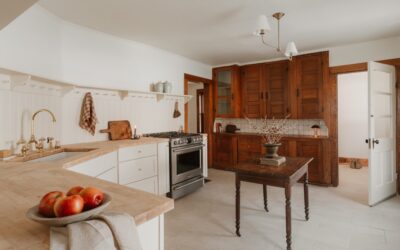
A dark wood floor with light wood trim can look intentional and elegant, or it can look like two remodels that never met. The difference comes down to contrast, undertone and how much of each wood you can see from the doorway. Done well, pale oak or maple baseboards and casings frame a deep walnut-toned floor like a mat around a painting. Done poorly, the trim looks unfinished and the floor looks heavy.
The short answer is yes, the pairing works when the woods share an undertone, when the contrast is strong enough to read as deliberate, and when the light wood appears in more than one place in the room. If you cannot meet those conditions, painting the trim is often the easier path.
- Why a Dark Wood Floor With Light Wood Trim Can Work
- Contrast Rules That Make It Look Intentional
- Matching Undertones Between Floor and Trim
- Grain, Species and Sheen
- Decision Guide: Keep, Restain or Paint the Trim
- Practical Tips for Installation and Refinishing
- Costs to Consider
- When to Call a Pro
- Frequently Asked Questions
Here is how designers and finish carpenters approach the combination, plus a simple decision guide for your own space.
Why a Dark Wood Floor With Light Wood Trim Can Work
High contrast creates definition. Light trim draws a crisp line where the wall meets the floor and around doors and windows, which helps a dark floor feel grounded instead of swallowing the room. In homes with a lot of natural light, the combination feels warm and layered, a little like Scandinavian or modern farmhouse interiors that mix pale and deep woods.
It also suits older homes where original light-stained trim survived but the floors were refinished darker. Rather than stripping or painting good old-growth casing, many owners keep it and lean into the contrast. That respects the house and saves a lot of labor.
Where the look struggles is in small, dim rooms with few windows. Dark floors absorb light, and a band of light wood around the bottom of the walls can read as a stripe that chops the room up. In those spaces, softer contrast or painted trim usually feels calmer.
Contrast Rules That Make It Look Intentional
Think of contrast in three levels. Slight contrast, where the trim is only a shade or two lighter, tends to look like a failed match. Moderate contrast can work if undertones line up. Strong contrast, such as espresso floors with natural white oak or ash trim, almost always looks deliberate because no one would assume you tried to match them.
- Go clearly different, not almost the same. If the trim and floor are close, people read it as a mismatch. Aim for a visible gap of several shades.
- Repeat the light wood. Pull the trim tone into another element, such as a ceiling beam, open shelving, a stair handrail, window stools or a furniture piece. Repetition turns one contrast into a theme.
- Keep the dark tone consistent. If the floor is dark, keep other dark woods in the room close to it, like a coffee table or stair treads, so there are two clear families of tone rather than five.
- Mind the walls. Light trim against light walls blends and lets the floor stand out. Light trim against a dark wall makes the trim pop as an outline.
Matching Undertones Between Floor and Trim
Undertone is the hidden color beneath the obvious lightness or darkness of wood. It matters more than shade. Most woods lean warm (red, orange, yellow) or cool (gray, brown, olive).
- Warm dark floors, like red-leaning mahogany tones or cherry stains, pair best with trim that has a golden or honey undertone, such as natural pine, amber-finished oak or birch.
- Cool dark floors, like ebony, charcoal-brown or smoked finishes, look best with trim that leans neutral or slightly gray, such as white oak with a clear matte finish, ash or bleached maple.
- Neutral dark brown floors, like walnut-toned stains, are the most flexible and work with most light woods.
To check, hold a scrap of trim or a sample board against the floor in daylight, then again at night under your usual bulbs. If one looks pink and the other looks green or gray, they will fight. Finish also changes undertone: oil-based polyurethane ambers over time and warms light woods, while water-based finishes stay clearer and cooler.
Grain, Species and Sheen
Grain pattern influences how well two woods sit together. A strongly figured floor such as red oak or hickory pairs best with quieter trim, like maple or poplar under a clear finish. A smooth, tight-grain dark floor can handle trim with more character, such as rift white oak or ash.
Sheen should line up too. Satin or matte floors look better with trim in a similar low sheen. Glossy trim over a matte floor highlights the difference and can make the trim look cheap. Most finish carpenters choose satin for both.
Scale matters as well. Tall baseboards in a light wood make a bigger statement than a slim 3 inch base. If you want a quieter look, keep the trim profile simple and moderate in height. For a bold, architectural look, a 5 to 7 inch base with matching light casings makes the contrast clearly part of the design.
Decision Guide: Keep, Restain or Paint the Trim
Use these questions to decide what to do with existing light trim when you install or refinish a dark floor.
- Is the trim high-quality or original? Old-growth casings, built-ins and detailed profiles are worth keeping in natural wood. Lean into the contrast.
- Do the undertones match? If yes, keep it. If no, consider a light toner or a stain that shifts the trim slightly warmer or cooler without darkening it much.
- Is the contrast strong? If the trim is only a little lighter than the floor, either go darker on the floor, lighter on the trim, or paint.
- Can you repeat the light wood elsewhere? If the trim will be the only light wood in sight, the room may feel disconnected.
- Is the trim damaged or mismatched? Patchy finger-jointed trim, mixed species or heavy damage usually looks better painted.
When Painting the Trim Is the Better Choice
White or soft off-white painted trim with a dark floor is a classic, low-risk combination. It works in nearly any style and hides imperfect wood. Painting also makes sense in small, dim rooms, in homes where trim species change from room to room, and when you plan to change wall colors often. Choose a warm white for warm floors and a cleaner, cooler white for cool floors.
Before sanding or stripping old trim, find out whether it carries old paint. In homes built before 1978, test the paint for lead first and use lead-safe practices if it is present.
Practical Tips for Installation and Refinishing
- Order sample boards of the floor stain and test them next to a piece of actual trim before committing to a full floor.
- Protect light trim when refinishing floors. Dark stain splashes are hard to remove from pale wood, so mask baseboards carefully.
- Consider a quarter round or shoe molding in the floor tone if you want a softer transition between the light base and the dark floor.
- Match door thresholds and stair nosings to the floor, not the trim, so the floor reads as one continuous surface.
- Expect dark floors to show dust, pet hair and scratches more than light ones. Matte finishes and wire-brushed textures help.
Costs to Consider
Of all the ways to get a dark wood floor with light wood trim, keeping existing light trim costs the least: little beyond touch-ups and a fresh coat of clear finish. Restaining or toning trim in place is labor-heavy, often running a few dollars per linear foot when done by a painter or finisher. Painting trim is typically in a similar range per linear foot and varies with the number of doors and windows. New hardwood baseboard in a light species runs higher than primed MDF, but it holds up better to bumps and can be refinished later.
When to Call a Pro
A professional floor finisher can blend custom stain colors and test patches on the actual floor, which is the most reliable way to land the right undertone. An interior designer can help when you are mixing several wood tones in an open floor plan. Hire a certified lead-safe contractor if older painted trim must be stripped or sanded and the paint tests positive. Ventilate well and follow label directions when using stains, strippers and finishes, and keep flammable vapors away from pilot lights.
Frequently Asked Questions
Should trim be lighter or darker than a wood floor?
Either can work. Lighter trim is more common with dark floors because it outlines the room and keeps it from feeling heavy. Darker trim with a dark floor creates a moody, unified look but can make rooms feel smaller.
Does natural oak trim go with a dark walnut floor?
Usually yes. Walnut-toned floors are fairly neutral, and natural oak trim offers clear contrast. Check that the oak finish has not ambered so much that it clashes with a cooler floor.
Is it outdated to have wood trim with wood floors?
No. Natural wood trim is popular again, especially in craftsman, mid-century and modern organic styles. The pairing looks current when the contrast is deliberate and the undertones agree.
What color baseboard goes best with a very dark floor?
Soft white paint is the safest choice. For natural wood, pale white oak, ash or maple with a clear matte finish works well with very dark or ebony floors.
Can I stain light trim to match a dark floor?
You can, but it is slow work and exact matches are hard because species absorb stain differently. Aim for coordinated rather than identical, or choose strong contrast instead.
Prefer to explore on your own?
See how new flooring looks in your actual room in seconds — free, no signup.
Try the free Floor Studio →