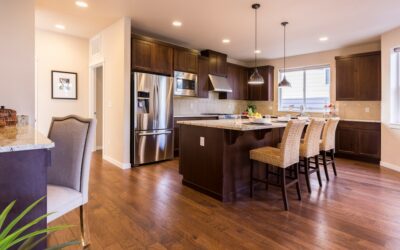
Open floor plans, hard flooring, big windows, and minimal furniture look great in photos and sound terrible in real life. Conversations bounce, TV dialogue turns muddy, and a dropped spoon rings like a bell. Decorative acoustic panels solve that echo problem while doubling as wall art, texture, or a design feature, which is why they have moved from recording studios into living rooms, home offices, and dining rooms. The key is understanding what they do, what they do not do, and how to choose and place them for real results.
What Decorative Acoustic Panels Actually Do
Decorative acoustic panels absorb sound energy that would otherwise reflect off hard surfaces. They reduce reverberation, the lingering echo that makes rooms sound hollow, and they improve speech clarity and music quality inside the room.
They do not soundproof. Blocking sound from traveling between rooms requires mass, decoupling, and airtight construction: resilient channels, double drywall with damping compound, insulated walls, and sealed doors. A panel on your side of the wall will make your room sound better but will barely reduce the noise your neighbor hears. Keep that distinction in mind so your expectations match what these products deliver.
Understanding NRC and Other Ratings
The main performance number is the Noise Reduction Coefficient (NRC), a single value between 0 and about 1 that averages absorption at mid-range frequencies. An NRC of 0.80 means the panel absorbs roughly 80% of the sound energy hitting it in that range.
- 0.20 to 0.40: light absorption; thin felt, cork, and thin wood slat panels without backing
- 0.50 to 0.70: moderate; thicker felt and slat panels over acoustic felt
- 0.80 to 1.00+: strong; 2-inch fabric-wrapped fiberglass or mineral wool panels
Thickness and mounting depth matter, especially for lower frequencies. A 2-inch panel mounted with a 1- to 2-inch air gap behind it absorbs lower tones better than the same panel glued flat to the wall. Look for test results to ASTM C423, which is the standard used for sound absorption testing.
Check the fire rating, too. Panels intended for interior walls should ideally meet a Class A flame spread rating under ASTM E84, which many commercial and quality residential panels list on their spec sheets.
Types of Decorative Acoustic Panels
Wood Slat Panels
Wood slat panels, sometimes called slat walls, pair vertical strips of veneered MDF or solid wood with a felt backing. They add warmth and a contemporary look, and mounted over mineral wool or with an air gap, they can reach NRC ratings around 0.60 to 0.85. Typical panels are about 2 by 8 feet and cost roughly $70 to $180 each. Oak, walnut, and ash veneers are common, and black felt backing makes slats pop against the wall.
PET Felt Panels
Polyester felt made from recycled bottles comes in many colors and shapes, including hexagons, geometric tiles, and cut patterns. It is lightweight, easy to cut, and typically rated around NRC 0.30 to 0.80 depending on thickness, commonly 9 mm to 24 mm. Prices often run $3 to $15 per square foot. Felt is a good choice for home offices and kids’ rooms because it is durable and tack-friendly.
Fabric-Wrapped Panels
These are the performance leaders: rigid fiberglass or mineral wool cores wrapped in acoustically transparent fabric. A 2-inch panel can reach NRC 0.85 to 1.00. Custom fabrics, including linen, wool blends, and printed patterns, make them look like upholstered art. Expect about $10 to $30 per square foot.
Printed Art Panels
Art panels print a photograph, painting, or custom design on acoustic fabric stretched over an absorptive core. They are a clever solution for living and dining rooms where you would hang art anyway. Performance depends on the core, so ask for the NRC.
Cork and Natural Fiber
Cork panels and tiles offer texture and modest absorption, usually NRC 0.10 to 0.30 for thin tiles. They are better thought of as decorative with some benefit than as primary treatment.
Ceiling Clouds and Baffles
Panels suspended horizontally (clouds) or vertically (baffles) treat the ceiling, often the biggest reflective surface in a room with a tall or vaulted ceiling. They are especially effective over dining tables and in open kitchens.
How Much Coverage You Need
A practical starting point is to cover roughly 15% to 25% of the total wall area in a living room, office, or dining room with effective absorbers. Rooms with hard floors, bare walls, and high ceilings may need 25% to 30%. Home theaters and music rooms can go higher, though too much absorption makes a room sound dead.
For example, a 14 by 18 foot living room with 9-foot ceilings has about 576 square feet of wall area. At 20% coverage, you would need roughly 115 square feet, or about seven 2 by 8 foot slat panels. Soft furnishings count too: an area rug, upholstered sofa, and heavy curtains all absorb sound, so you may need fewer panels in a well-furnished room.
Where to Place Panels
Placement multiplies effectiveness. Focus on these locations:
- First reflection points: in a media room, sit in the listening position while a helper slides a mirror along the side walls. Wherever you can see a speaker in the mirror, place a panel.
- Parallel walls: two bare parallel walls cause flutter echo. Treat at least one of them, or stagger panels on both.
- Behind the listener or the desk: in home offices, a panel behind your chair and one facing you reduce echo on video calls.
- Ceiling above the main activity: a cloud above a dining table or in a tall foyer cuts the most noticeable reverberation.
- Ear height: center wall panels roughly 4 to 5 feet above the floor, where voices and speakers project.
Spread panels around the room rather than clustering them on one wall. Distributed absorption sounds more natural and looks more intentional.
Installation Methods
Most decorative acoustic panels are light enough for a homeowner to install. Common methods include:
- Z-clips or French cleats: easy to level and remove; they create a small air gap that helps absorption.
- Impaling clips: metal clips screwed to the wall with spikes that grip the back of fabric-wrapped panels.
- Screws through slats: slat panels are screwed through the felt gaps into studs or anchors, with black screws hiding in the shadow lines.
- Construction adhesive or mounting tape: fast for felt tiles but can damage drywall on removal; best in permanent installations.
Always locate wires and pipes before drilling. For slat walls covering a full wall, plan layout around outlets and switches; many manufacturers sell cutout guides. Ceiling clouds must be hung from joists or rated anchors with aircraft cable or rigid hangers, and heavy ceiling installations should be done by a contractor.
Design Tips for a Finished Look
Treat panels as part of the room’s design, not an afterthought. Match slat wood tones to your flooring or cabinetry; a white oak slat wall pairs naturally with white oak hardwood or wood-look luxury vinyl. Use felt in colors pulled from your textiles, or choose a tone close to the wall paint for subtle absorption. Frame a TV wall with slats on each side, or run a slat wall behind a bed as an acoustic headboard.
Lighting enhances texture. Wall washers or LED strips above slat panels create dramatic shadow lines. Avoid placing panels directly above heat sources such as baseboard heaters or radiators, and keep them away from fireplace surrounds unless the product is rated for it.
Cost Overview
Typical 2026 costs for a single room:
- PET felt tiles, DIY, 60 to 100 sq ft: $250 to $1,200
- Wood slat panels, DIY, 6 to 10 panels: $500 to $1,800
- Fabric-wrapped or custom art panels, 80 to 120 sq ft: $1,000 to $3,500
- Professional design and installation: add $500 to $2,500 depending on scope
Room-by-Room Recommendations
Different rooms call for different panel strategies, and matching the product to the space saves money.
- Living room with hardwood or tile floors: start with a large area rug covering at least half the open floor, then add two to four slat or fabric panels on the walls facing the seating area. A slat wall behind the TV is both a focal point and an absorber.
- Home office: a pair of 2 by 4 foot fabric-wrapped panels, one behind the monitor and one behind your chair, usually makes the biggest difference on video calls. Felt tiles above the desk work well too.
- Dining room: hard chairs, a wood table, and bare walls make dinner parties loud. A ceiling cloud or two over the table, plus art panels on the long wall, calms the room without looking technical.
- Kitchen and open-plan great rooms: ceiling baffles or clouds are often the only practical option, since walls are taken up by cabinets and windows. Choose wipeable fabrics or felt away from the cooktop.
- Kids’ rooms and playrooms: colorful PET felt shapes absorb shrieks, stand up to handling, and double as pin boards.
- Stairwells and entry foyers: tall, hard spaces with stone or tile floors echo badly. One large art panel at mid-height on the tallest wall can noticeably shorten the ring.
If you are replacing carpet with hard flooring, plan panels at the same time. Removing carpet can add a noticeable amount of reverberation, and budgeting for rugs and panels up front avoids surprise disappointment after the new floor goes in. A quality acoustic underlayment under floating floors helps with footfall noise, but it does little for echo in the room itself.
Care and Maintenance
Dust felt and fabric panels monthly with a soft brush attachment on a vacuum. Wipe wood slats with a dry or lightly damp microfiber cloth; avoid soaking. Spot-clean fabric with a mild upholstery cleaner, testing an inconspicuous area first. Keep panels out of direct, prolonged sun where possible to avoid fading.
Chosen and placed with care, decorative acoustic panels make a room calmer, clearer, and more comfortable, while adding texture and personality you would want on the walls anyway.