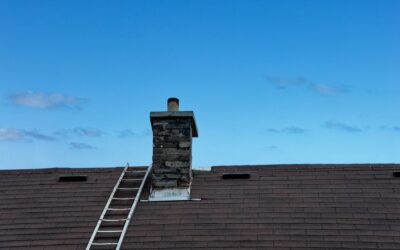
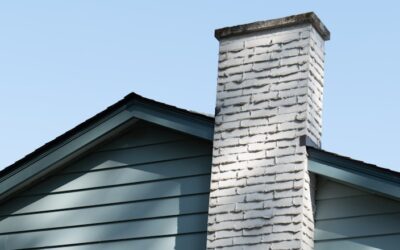
The top of a chimney is one of the few spots on a house that people see from the street but almost nobody thinks about until a plain mesh cap rusts or a neighbor adds something handsome to theirs. Decorative chimney caps turn that bare flue tile or metal pipe into a finished architectural detail, from a hammered copper shroud to a tall clay pot. They still have a job to do, though: keep out rain and animals, stop sparks, and let smoke and exhaust leave freely.
Here is the short version. On a masonry chimney serving a wood fireplace, you have wide freedom in style as long as the cap has a spark screen, enough open area and enough height above the flue. On a factory-built (prefabricated) metal chimney or any flue serving a gas appliance, the cap or shroud must be one that is listed for that specific chimney system and appliance type. A good-looking shroud that is not listed can void the fireplace listing, starve the draft, or push carbon monoxide back into the house.
- Decorative Chimney Caps: The Main Styles
- Material Choices and How They Age
- Fit Rules That Matter More Than Looks
- How to Choose and Measure From the Ground
- Ladder and Roof Safety
- Troubleshooting After a New Cap Goes On
- General Cost Ranges
- When to Call a Licensed Professional
- Frequently Asked Questions
Style choices, materials, the fit rules that matter most, rough costs and the point where the job belongs on a professional’s ladder instead of yours all follow.
Decorative Chimney Caps: The Main Styles
Most products fall into four families. Knowing which one you are looking at makes shopping and conversations with a chimney sweep much easier.
Single-flue decorative caps
These sit on one flue tile and clamp to it with bolts or a band. Ornamental versions add a pitched or arched lid, a finial, a scalloped edge or a black powder-coated finish. A black chimney cap with a hip-roof lid is a popular choice on darker shingle roofs because it disappears from a distance, while a modern chimney cap with a flat, square lid and slim legs suits contemporary homes with clean lines.
Shrouds
A decorative chimney shroud is a large metal enclosure that sits over the top of a chase or crown and hides one or more flue pipes underneath. Shrouds are common on factory-built chimneys enclosed in wood or siding chases, where the bare metal pipe and storm collar look out of place. A copper chimney shroud, often with a domed or pagoda-style top and side louvers, is the classic upgrade. Painted aluminum and stainless shrouds come in many shapes too.
Chimney pots
A copper chimney pot or a clay or terracotta chimney cap extends the flue upward in a tapered cylinder, a look borrowed from European rooftops. Pots can add useful height to improve draft on a short chimney. They are heavy, so they must be mortared and anchored properly on a sound crown.
Stone and masonry caps
A stone chimney cap is a slab of bluestone, limestone or cast concrete set on brick or stone piers above the flue openings. It reads as part of the chimney rather than an accessory. Because the slab is heavy and the openings between piers determine draft, this style is really a masonry project rather than a bolt-on.
Material Choices and How They Age
Material drives both appearance and lifespan. A few general patterns hold up across most climates:
- Copper: starts bright, turns brown within months, and slowly develops a blue-green patina over years. Lasts for decades. Needs copper or stainless fasteners, because steel screws in contact with copper corrode quickly.
- Stainless steel: the best all-around choice for durability, especially on gas flues where acidic condensation attacks cheaper metals. Available brushed, polished or powder-coated.
- Powder-coated or painted steel: lower cost and available in black, bronze and other colors. The coating eventually chips at welds and fastener holes, and rust follows.
- Aluminum: light and rust-proof, but softer and not suitable for wood-burning flue temperatures in many designs. Mostly used for shrouds on specific listed systems.
- Clay and terracotta: durable against heat and corrosion, vulnerable to freeze-thaw cracking if water gets into the material and to impact during installation.
- Natural stone: essentially permanent, but heavy enough that the crown and piers must be built for the load.
If you live near the coast, lean toward stainless or copper decorative chimney caps. Salt air shortens the life of coated steel considerably.
Fit Rules That Matter More Than Looks
The single most important rule: a cap or shroud on a factory-built chimney must be listed for that chimney system. Prefabricated fireplaces and metal chimneys are tested as complete assemblies, and the termination cap is part of that test. Swapping in a third-party shroud that the manufacturer has not approved can create overheating in the chase, affect clearances to combustible framing and void the listing. Check the installation manual or the label on the fireplace for approved termination options before buying anything.
For flues serving gas appliances, the same logic applies. Gas vents and lined chimneys need a termination that is listed for that appliance type and venting category. Many decorative caps sold for wood fireplaces are not suitable for a gas furnace or water heater flue.
Beyond listing, a decorative cap should never restrict the draft. Watch these points:
- Open area: the total open area around the sides of the cap should be at least equal to, and preferably larger than, the flue’s cross-sectional area. Ornate louvers and small slots can choke a flue.
- Lid height: the lid needs enough clearance above the flue opening so exhaust can turn and escape. Many manufacturers specify a minimum height; low-profile designs can cause backdrafting.
- Screen size: spark screens with very fine mesh clog with creosote and soot. Openings of roughly 5/8 to 3/4 inch are typical for wood flues, and some areas regulate the range.
- No dampers or sealing tops on gas flues: top-sealing dampers are for wood fireplaces only, and even those must stay fully open while a fire burns.
An adjustable chimney cap that extends or slides to fit several tile sizes can be handy for odd flues, but confirm the adjusted open area still meets the flue’s needs.
How to Choose and Measure From the Ground
You can do most of the planning without climbing anything. Follow these steps:
- Identify the chimney type. Look in the attic, basement or fireplace for a metal label. A label usually means factory-built. Brick or stone with clay flue tiles means masonry.
- List every appliance that vents through it. Wood fireplace, wood stove insert, gas logs, furnace and water heater each have different cap requirements.
- Photograph the top. Use binoculars or a zoom lens from the yard to count flues and note how far each tile sticks above the crown.
- Get measurements. Outside dimensions of each flue tile or pipe, crown dimensions and tile heights. A chimney sweep can take these during a routine inspection.
- Check the manual or listing. For factory-built units, narrow your options to approved terminations first, then pick a style.
- Match the style to the roof and house. Copper with warm brick, black with dark shingles, slim square caps with modern siding.
- Confirm local rules. Some jurisdictions and HOAs set spark arrestor or appearance requirements.
Ladder and Roof Safety
Chimney caps sit at the highest, steepest and most exposed point of the roof. Falls from roofs and ladders are a leading cause of serious home-improvement injuries, and a shroud or stone slab adds weight and awkwardness to the climb.
- Use an extension ladder rated for your weight plus tools, set at roughly a 4-to-1 angle, extending at least 3 feet above the roof edge and tied off at the top.
- Wear soft-soled shoes and never work on wet, icy, mossy or windy roofs.
- On steep roofs, use a roof anchor and personal fall arrest harness, or roof brackets with planks.
- Have a second person on the ground.
- For any home two stories or taller, any steep pitch, or any heavy pot or stone cap, hire a professional. Roof work at that height is not a DIY job.
Honestly, most homeowners are better off letting a chimney sweep or roofer handle installation even on a single-story home. They carry the right fall protection and can inspect the crown and flue while they are up there.
Troubleshooting After a New Cap Goes On
If something changes after a decorative cap or shroud is installed, pay attention:
- Smoke spilling into the room: the cap may be too low or have too little open area. Stop using the fireplace until it is checked.
- Gas appliance pilot outages or soot near the burner: a possible venting problem. Shut the appliance off and call a licensed HVAC or gas technician.
- Whistling or rattling in wind: loose louvers or fasteners. Have them tightened before they fail.
- Rust streaks on brick: coated steel breaking down, or steel fasteners on copper.
- Screen clogged with soot: mesh too fine, or the flue needs sweeping.
Any combustion appliance in the home calls for working carbon monoxide alarms on every level and near sleeping areas.
General Cost Ranges
Prices for decorative chimney caps swing widely with size, material and roof access, so treat these as rough ballparks:
- Basic powder-coated single-flue decorative caps: roughly $75 to $300 for the part.
- Stainless designer caps: often $200 to $700.
- Copper caps and pots: often $400 to $1,500 or more.
- Copper or stainless shrouds for chases: commonly $800 to several thousand dollars, especially custom-fabricated units.
- Stone caps on piers: a masonry project, often in the low thousands.
- Professional installation: frequently a few hundred dollars for a simple cap, more for shrouds, steep roofs and multi-story homes.
When to Call a Licensed Professional
Bring in a certified chimney sweep, mason or licensed contractor when the chimney serves any gas appliance, when it is a factory-built system and you need to confirm an approved termination, when the crown is cracked or the flue tiles are damaged, or when the roof is steep or two stories or higher. Gas venting changes belong to a licensed HVAC or gas professional, and some jurisdictions require a permit for changes to chimneys or chases. A pro can also confirm that a new shroud keeps required clearances to combustible framing.
Schedule an annual chimney inspection regardless of the cap you choose. A beautiful copper shroud does nothing if the flue under it is cracked or lined with creosote.
Frequently Asked Questions
Can I put any decorative cap on a prefab fireplace chimney?
No. Factory-built chimneys need a termination cap or shroud that is listed for that specific system. Using an unapproved shroud can cause overheating in the chase and void the fireplace listing, so check the manual first.
Do decorative chimney shrouds affect draft?
They can. A shroud or cap with too little open area or a lid set too low can restrict exhaust and cause smoke spillage or backdrafting. Choose a design whose open area exceeds the flue area and follows the maker’s height specifications.
How long does a copper chimney cap last?
Copper commonly lasts several decades and develops a natural patina over time. Use copper or stainless fasteners so the metal is not damaged by galvanic corrosion.
Are chimney pots only decorative?
Not entirely. A pot adds height to the flue, which can help draft on a short chimney. It also needs a cap or screen on top and a solid crown to support its weight.
Is a black chimney cap a good choice?
A black powder-coated cap blends well with dark roofs and costs less than copper, but the coating can chip over time. A black-finished stainless cap lasts longer than coated plain steel.
Can I install a decorative cap myself?
On a low, single-story roof with a simple bolt-on cap and proper fall protection, some homeowners do. For steep roofs, two-story homes, heavy pots, stone caps or gas flues, hire a professional.