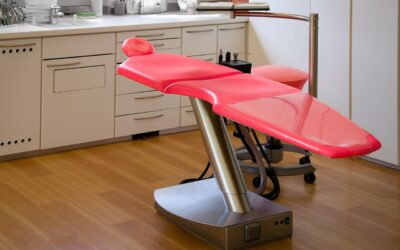
In a dental clinic, the floor is part of your infection-control system, not just a design choice. Dental clinic flooring has to resist constant disinfection, repel spilled chemicals and stains, eliminate the seams where bacteria hide, and still feel comfortable for staff standing all day. That is a demanding brief, which is why dental and medical practices rarely use the same flooring you would put in a living room. This guide focuses on the hygiene-first requirements that set clinical flooring apart, and walks through the materials that meet them.
- Why Dental Clinic Flooring Is Different
- Seamless Welded Sheet Vinyl: The Clinical Standard
- Luxury Vinyl Tile and Plank: A Flexible Alternative
- Hygiene and Infection Control Priorities
- Chemical and Stain Resistance
- Comfort and Safety for Staff
- Buying and Installation Tips
- Zoning a Clinic by Performance Need
- The Bottom Line
Why Dental Clinic Flooring Is Different
A dental operatory sees blood, saliva, amalgam, impression materials, and a daily barrage of harsh disinfectants. The floor must withstand all of it without staining, degrading, or harboring pathogens. The governing principle is simple: no gaps, no porous surfaces, easy to clean to a verifiable standard.
That rules out grouted tile in treatment areas, where the grout lines trap contaminants, and it rules out carpet entirely in clinical zones. What remains are seamless or near-seamless resilient systems engineered specifically for healthcare environments.
Seamless Welded Sheet Vinyl: The Clinical Standard
Heat-welded sheet vinyl is the workhorse of medical and dental flooring for one big reason: it can be installed with virtually no seams. Sheets are rolled out, the joints are heat-welded with a matching rod, and the result is a continuous, liquid-tight surface. Better still, the vinyl can be coved up the wall a few inches and capped, eliminating the floor-to-wall corner where dirt and bacteria normally collect.
This integral cove base is the detail that defines true clinical flooring. With no horizontal crevice at the wall, a cleaner can mop or auto-scrub right up the cove, and there is nowhere for contaminants to lodge. For operatories and sterilization rooms, heat-welded sheet vinyl with coved bases is hard to beat.
Luxury Vinyl Tile and Plank: A Flexible Alternative
Commercial-grade LVT and LVP bring a more residential, upscale appearance to reception areas, hallways, and private offices. Modern healthcare LVT can be installed with tight or welded seams and offers wood and stone visuals that put patients at ease.
The trade-off is seams. Standard click or glue-down LVT has more joints than welded sheet vinyl, so for the most demanding sterile zones, sheet vinyl still wins. Many clinics use a smart hybrid: welded sheet vinyl in operatories and sterilization, and warmer LVT in waiting rooms and consult spaces where the hygiene demand is lower and patient comfort matters more.
Hygiene and Infection Control Priorities
Whatever material you choose, evaluate it against clinical criteria:
- Non-porous surface that does not absorb fluids or odors.
- Seamless or heat-welded joints to eliminate bacterial harborage.
- Integral coved base to remove the floor-wall crevice.
- Chemical resistance to repeated disinfection with hospital-grade cleaners.
- Smooth but slip-resistant finish that cleans easily yet meets safety needs.
Confirm the product is rated for healthcare use and that the manufacturer lists compatibility with the disinfectants your protocols require, since some aggressive chemicals can dull or damage the wrong floor.
Chemical and Stain Resistance
Dental materials are unforgiving. Spilled impression compounds, eugenol, certain restoratives, and strong disinfectants will stain or etch a floor that is not built for them. Specify a product with a documented chemical-resistance chart and, where possible, a finish that resists the specific agents used in operatories.
A protective top coat helps, and homogeneous sheet vinyl, where the color runs through the full thickness, hides minor wear better than a printed product because there is no thin printed layer to scratch through. Ask whether the floor is homogeneous or heterogeneous when comparing options.
Comfort and Safety for Staff
Dental teams spend hours on their feet, so underfoot comfort affects fatigue and well-being. Some clinical vinyl includes an acoustic or cushioned backing that adds slight give and reduces noise, which is welcome in a busy practice. Anti-fatigue mats at chairside workstations are a common supplement.
Slip resistance matters for safety, especially near sinks and sterilization areas. Choose a finish that balances cleanability with adequate traction, and verify it meets relevant safety guidance for healthcare environments. The goal is a floor that is easy to disinfect yet not slick when wet.
Buying and Installation Tips
Specify healthcare-grade products and insist on an experienced commercial installer, because heat welding and coved bases require skill; a poor weld defeats the entire seamless strategy. Plan the installation to minimize downtime, since clinical flooring often goes in during off-hours or in phased sections to keep the practice running.
Get the warranty in writing, including its terms for commercial and healthcare use, and keep extra material from the same batch for repairs. Finally, build a maintenance plan with the disinfectants and methods the manufacturer approves, so you protect both the warranty and the floor’s hygienic performance.
Zoning a Clinic by Performance Need
Smart practices do not use one floor everywhere; they zone the building by how demanding each space is. The highest-demand zones are the operatories and sterilization rooms, where heat-welded sheet vinyl with coved bases handles fluids, chemicals, and constant disinfection. X-ray rooms, lab areas, and restrooms also lean toward seamless resilient flooring for the same reasons.
The lower-demand zones, reception, waiting rooms, hallways, business offices, and consult rooms, can prioritize patient comfort and a warm, welcoming look. This is where commercial LVT in wood or stone visuals shines, easing patient anxiety and reinforcing a polished, professional image. Mapping the right product to each zone controls cost while keeping hygiene uncompromised exactly where it counts.
The Bottom Line
Dental clinic flooring is first and foremost an infection-control surface. Heat-welded sheet vinyl with integral coved bases is the gold standard for operatories and sterilization rooms because it eliminates seams and floor-wall crevices, while commercial LVT brings warmth and style to reception and office areas. Prioritize non-porous, chemical-resistant, easily disinfected materials, add comfort features for standing staff, and hire a skilled commercial installer. Get those fundamentals right and your floor will support patient safety, staff well-being, and a clean, professional impression for years.
Prefer to explore on your own?
See how new flooring looks in your actual room in seconds — free, no signup.
Try the free Floor Studio →