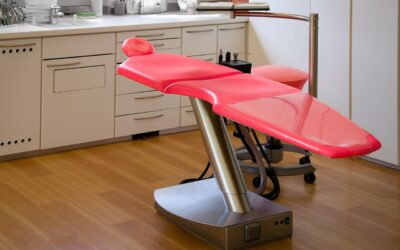
A dental practice floor takes a beating most floors never see: spilled chemicals, dropped instruments, constant foot traffic, and daily disinfection. Choosing the right dentist flooring is a clinical decision as much as a design one, because the wrong surface can harbor bacteria, fail an infection-control inspection, or wear out in a few years. This guide breaks down the materials that actually work in a surgery, what to look for, and the trade-offs you should weigh before signing a quote.
- Why Dental Flooring Is Different
- Seamless Sheet Vinyl: The Clinical Standard
- Luxury Vinyl Tile and Plank (LVT/LVP)
- Other Options Worth Considering
- Key Features to Evaluate
- Installation and Cost Considerations
- How to Choose for Your Practice
- Maintenance and Longevity
- Common Mistakes to Avoid
- Final Thoughts
Why Dental Flooring Is Different
Healthcare environments have demands a home or retail floor never faces. Floors in treatment rooms and sterilization areas must resist harsh disinfectants, stand up to rolling stools and equipment carts, and offer no cracks or seams where pathogens can hide. Many regions tie flooring requirements to infection-prevention guidelines, so the material is not just aesthetic, it is part of how a clinic stays compliant and safe.
At the same time, staff stand for hours and patients want a space that feels calm and clean. The best choice balances hygiene, durability, slip resistance, and comfort underfoot.
Seamless Sheet Vinyl: The Clinical Standard
For treatment rooms and operatories, seamless sheet vinyl is the most common choice for good reason. Sheets are heat-welded at the joints to create a continuous, waterproof surface with no grout lines or gaps. Many products are coved up the wall a few inches, eliminating the floor-to-wall corner where dirt and bacteria collect.
- Hygiene: no seams, easy to disinfect, often antimicrobial-treated.
- Chemical resistance: handles routine disinfectants without staining.
- Slip resistance: available in textured finishes for wet areas.
The main drawbacks are professional installation, which is essential for the welded seams, and a more clinical appearance than wood-look options. Quality also matters: commercial-grade homogeneous vinyl outlasts cheaper consumer sheet by years.
Luxury Vinyl Tile and Plank (LVT/LVP)
Where you want a warmer, more residential look, in a reception area or consultation room, luxury vinyl tile and plank deliver wood and stone visuals with strong durability. They are water-resistant and comfortable underfoot. For clinical zones, though, the seams between planks are a concern unless you choose a glue-down product with tight joints, and even then most infection-control specialists prefer welded sheet for operatories.
A practical approach many practices use is sheet vinyl in treatment and sterilization rooms and LVT in the public-facing spaces where hygiene demands are lower.
Other Options Worth Considering
A few materials suit specific zones rather than the whole clinic.
- Rubber flooring: excellent comfort and slip resistance for staff areas; resilient but can be harder to disinfect against some chemicals.
- Epoxy/resin: a seamless, durable poured surface ideal for labs and sterilization rooms, though installation is involved.
- Polished concrete: tough and low-maintenance for back-of-house, but cold, hard, and porous unless properly sealed.
Ceramic tile is generally a poor fit for clinical rooms because the grout lines trap contaminants and are difficult to keep sterile.
Key Features to Evaluate
When you compare quotes, look past the price per square foot at the specifications that matter in a healthcare setting.
- Wear layer thickness: commercial vinyl with a thicker wear layer lasts far longer under cart traffic.
- Slip rating: ask for the slip-resistance rating, especially around sinks and sterilization stations.
- Chemical compatibility: confirm the floor tolerates the specific disinfectants your practice uses.
- Static control: sensitive equipment areas may need static-dissipative flooring.
- Acoustics and comfort: a cushioned backing reduces fatigue and noise.
Installation and Cost Considerations
Dental flooring should be installed by a contractor experienced in healthcare or commercial work. Welded seams, coved bases, and proper subfloor prep are not DIY tasks, and a poor install undermines the very hygiene benefits you are paying for. Budget for moisture testing on concrete slabs and for downtime, since most practices schedule installation in phases or over a closure to keep treatment rooms usable.
Expect commercial sheet vinyl to cost more than residential flooring once installation and coving are included, but the longer service life and compliance benefits usually justify it. Always get written specifications and a warranty that covers commercial use.
How to Choose for Your Practice
Match the material to the zone rather than hunting for one floor that does everything. Specify seamless welded sheet vinyl with coved edges for operatories and sterilization rooms, where infection control is paramount. Use durable, attractive LVT or rubber in reception and offices. Confirm slip ratings near wet areas and check chemical compatibility with your cleaning protocol.
Finally, involve your installer early and ask to see commercial references. A floor that looks great on day one but fails an inspection or wears out in three years is no bargain. Get the specifications right and your clinic gets a surface that stays clean, safe, and professional for the long haul.
Maintenance and Longevity
A clinical floor is only as hygienic as its upkeep. Welded sheet vinyl should be cleaned daily with a disinfectant approved by both the flooring manufacturer and your infection-control protocol, since the wrong chemical can dull or discolor the surface over time. Avoid abrasive pads that scratch the wear layer and create micro-grooves where bacteria can lodge. Many commercial vinyls have a factory polyurethane coating that resists staining and reduces the need for waxing, but heavily used operatories may still benefit from periodic professional buffing.
Inspect welded seams and coved bases regularly. A lifted seam or a cracked cove is a hygiene breach and a trip hazard, and catching it early means a small repair rather than a full re-lay. With proper care, commercial dental flooring routinely lasts 10 to 20 years, far longer than residential-grade products that would fail in a fraction of that time under cart traffic and constant disinfection.
Common Mistakes to Avoid
Practices often run into trouble by treating clinical flooring like a residential job. Watch out for these pitfalls:
- Choosing tile for operatories: grout lines trap contaminants and fail infection-control standards.
- Skipping the coved base: a square floor-to-wall corner is the hardest spot to keep sterile.
- Using residential-grade vinyl: it wears through under stools and carts within a few years.
- Ignoring chemical compatibility: aggressive disinfectants can stain or degrade the wrong floor.
- Hiring a general installer: heat-welded seams demand healthcare or commercial experience.
Each of these mistakes is far cheaper to avoid up front than to fix after the floor is down and the practice is open.
Final Thoughts
The right dentist flooring protects patients, supports your team, and keeps your practice compliant. Prioritize seamless, chemical-resistant, slip-rated surfaces in clinical areas, choose warmth and comfort where hygiene rules are looser, and never cut corners on installation or maintenance. With a zone-by-zone plan, the right specifications, and an experienced commercial installer, you will land on a floor that performs as hard as your practice does and stays clean and safe for decades.
Prefer to explore on your own?
See how new flooring looks in your actual room in seconds — free, no signup.
Try the free Floor Studio →