Diamond flooring is sold under several different brand names depending on where you shop, and that creates confusion for buyers comparing quotes. The most common products under this name are Diamond W vinyl plank, Diamond Brand SPC, and Diamond Tile patterns, each with very different price points and durability. This guide sorts out which line you are actually being quoted, what it is worth, and how it compares to mainstream alternatives.
If a contractor handed you a quote with “Diamond” listed and no further detail, ask for the manufacturer name and product collection before you sign anything. Two products both called Diamond can vary by $4 per square foot in real cost.
- What Diamond Flooring Actually Refers To
- Diamond Vinyl Plank — Specs and Pricing
- Where Diamond Flooring Holds Up
- Where It Falls Short
- Diamond Tile Patterns — Layout Considerations
- Comparison to Mainstream Brands
- Installation Considerations
- Where to Buy Diamond Flooring
- What to Ask Before You Buy
- Bottom Line
What Diamond Flooring Actually Refers To
“Diamond” appears in three different flooring contexts:
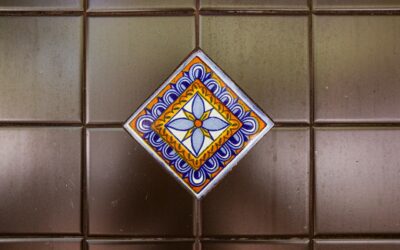
- Diamond-pattern tile — Square tile rotated 45 degrees to create a diamond layout. Any porcelain or ceramic tile can be installed this way. The pattern adds 5 to 10 percent in waste and labor cost.
- Diamond-brand vinyl plank — Multiple regional manufacturers use the Diamond name on luxury vinyl plank lines, sold mostly through independent flooring shops and Floor & Decor.
- Diamond W and Diamond Series SPC — A specific product line by some Asian manufacturers, sold under contractor accounts. Aimed at landlords and high-traffic rentals.
Diamond Vinyl Plank — Specs and Pricing
Diamond-branded LVP typically uses a 5mm to 8mm SPC or WPC core with a 12 to 20 mil wear layer. The 20 mil products carry a 25-year residential and 10-year light commercial warranty. Pricing runs $2.50 to $4.50 per square foot uninstalled, putting it between budget builder vinyl ($1.50) and premium brands like COREtec or Karndean ($5 to $8).
For comparison purposes, this puts Diamond LVP roughly in line with Lifeproof from Home Depot and Smartcore from Lowe’s. The visual quality and embossing depth are similar. The biggest difference is the dealer network — Diamond is harder to find replacement boxes for in three years if you damage planks.
Where Diamond Flooring Holds Up
Honest pros and cons based on installer feedback and warranty claims:
- Click-lock joints engage tightly on the SPC version and resist gapping in temperature swings
- The 20 mil wear layer handles dog claws, dropped pots, and rolling office chairs without obvious dents
- Waterproof core means it survives dishwasher leaks, pet accidents, and bathroom installs
- Visual layer mimics oak and hickory convincingly at this price point
Where It Falls Short
- Color and pattern repeat every 6 to 8 boards is more obvious than premium brands that offer 16 to 24 unique faces
- The included underlayment foam is thin (1mm) and most installers add 1.5mm cork or rubber for sound
- Warranty claims require the original receipt and dealer-installed paperwork — many buyers cannot meet that bar
- Color-matched trim and stair nose pieces are limited to a few profiles, complicating transitions to existing floors
Diamond Tile Patterns — Layout Considerations
If your quote refers to diamond-pattern tile rather than the brand, you are looking at standard ceramic or porcelain installed on a 45-degree rotation. The visual is dramatic in entryways, bathrooms, and behind kitchen ranges. Suitable tile sizes for this pattern are 6 by 6, 8 by 8, or 12 by 12 inches.
Plan on 12 to 15 percent waste instead of the standard 10, because every perimeter cut produces an unusable triangle. Labor costs run $2 to $4 per square foot more than a standard grid layout because the tile setter has to chalk diagonal reference lines and make every cut on a wet saw.
Comparison to Mainstream Brands
Diamond LVP vs Lifeproof (Home Depot)
Both run $2.50 to $4.20 per sq ft. Lifeproof has wider color selection and easier returns since you buy from Home Depot directly. Diamond often has thicker SPC cores at the same price point. Toss-up.
Diamond LVP vs Smartcore Pro (Lowe’s)
Smartcore offers attached underlayment that Diamond usually does not. Smartcore’s color selection is broader. Diamond may install slightly tighter at click joints. Smartcore wins on availability.
Diamond LVP vs COREtec
COREtec is a clear step up in visual quality and trim selection at $5 to $8 per sq ft. If your budget allows, COREtec is the better long-term pick. Diamond is the value play at 40 percent less cost.
Installation Considerations
Like any click-lock vinyl, Diamond goes down as a floating floor over a flat substrate. Subfloor flatness tolerance is 3/16 inch over a 10-foot span. Anything beyond that needs leveling compound at $0.50 to $1.50 per square foot.
Acclimate boxes for 48 hours flat in the room. Leave 1/4 inch expansion gap at all walls. Use a tapping block (not a hammer on the board edge) to seat joints. Run a second bead of bead foam or 6 mil poly underneath if installing over concrete on or below grade.
Where to Buy Diamond Flooring
Floor & Decor stocks several Diamond-branded LVP collections at most US locations, with samples available in store. Independent flooring shops in larger metros carry contractor versions at slightly better prices than Floor & Decor’s retail. Diamond W is mostly a wholesale product moved through landlord supply houses.
Online retailers like BuildDirect occasionally list Diamond products, but freight on a 1,200 sq ft order runs $400 to $700 and offsets any savings.
What to Ask Before You Buy
- What is the wear layer thickness in mils? Anything under 12 mil is for closets only
- What is the core type — SPC, WPC, or rigid core? SPC is denser and harder; WPC is softer underfoot
- Is the underlayment attached or do I need to add separately?
- How many unique board faces are in the line? Lower numbers mean obvious pattern repeats
- What is the warranty term and what does it require to file a claim?
- Is there matching trim — quarter round, T-molding, stair nose — in stock?
Bottom Line
Diamond flooring is a respectable middle-tier product when the specs check out, especially the SPC versions with 20 mil wear layers. It punches above its price for landlords and budget-conscious homeowners who want vinyl plank that holds up. For forever-home installations or anyone who plans to be in the house 15-plus years, spend the extra dollar per square foot on COREtec, Karndean, or Mannington Adura instead.
Prefer to explore on your own?
See how new flooring looks in your actual room in seconds — free, no signup.
Try the free Floor Studio →