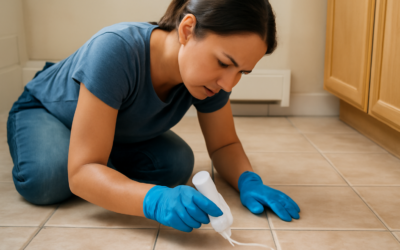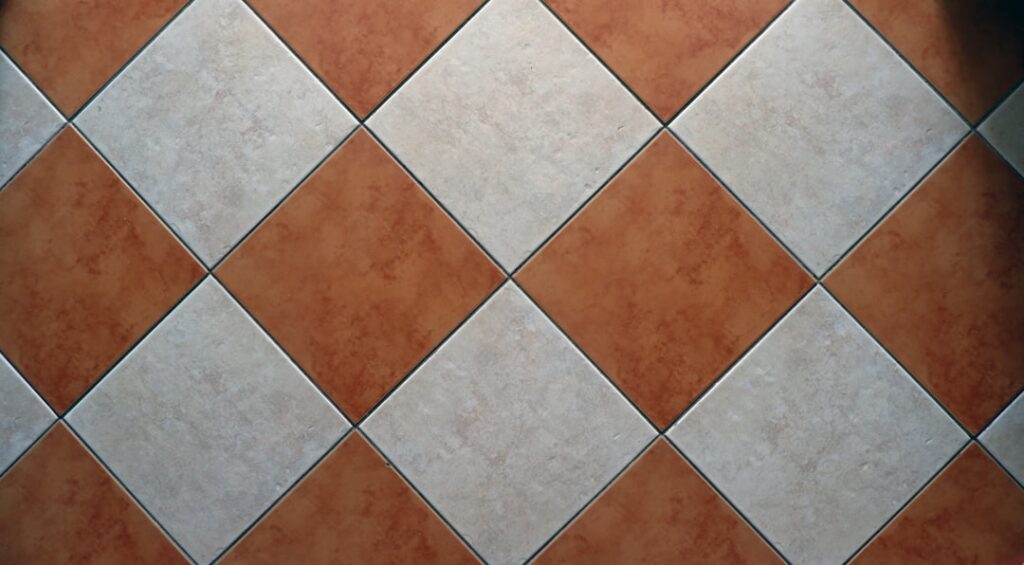
Walk into ten newly tiled bathrooms and you will find five with sealed grout, three with sealed grout that has worn off, and two where nobody told the homeowner sealing was needed at all. The short answer to do you need to seal grout is yes for any cement-based grout, no for epoxy or pre-sealed urethane grouts, and probably yes if you do not remember what kind your installer used. Unsealed cement grout absorbs water, soap, and food spills like a sponge, and that staining is permanent once it sets into the porous matrix.
Part of our Tile & Grout guide — explore the full guide →
Why Cement Grout Needs a Sealer
Standard sanded and unsanded grout is a portland cement, sand, and pigment mixture. Under a microscope, the cured product is a network of tiny capillaries that wick water by surface tension. The same property that lets concrete absorb sealer also lets it absorb red wine, olive oil, and bath soap residue.
Within 60 to 90 days of installation, unsealed cement grout starts collecting an oily film in kitchens and a soap-scum gray haze in showers. Once organic material reaches the interior of the pore structure, the only way out is to grind the grout out and replace it, a $4 to $8 per linear foot job.
When You Can Skip Sealing
Epoxy grout like Mapei Kerapoxy CQ at $98 per unit and Laticrete SpectraLock Pro Premium at $109 per unit cures into a non-porous resin matrix. There are no capillaries to fill. Pre-mixed urethane grouts such as TEC AccuColor EFX also do not require sealing.
If your installer mixed grout from a pre-made pail and the bucket said “ready to use” with no powder component, you are most likely working with urethane or acrylic-modified grout. Save the receipt and check the product name; about 35 percent of new residential tile work in 2026 uses these single-component grouts that skip the sealing step.
Which Sealer to Choose
Grout sealers come in two main chemistries that solve different problems.
- Penetrating sealers (Aqua Mix Sealer’s Choice Gold at $40 per quart, Miracle 511 Impregnator at $45 per pint): soak into the pores and bond to the cement matrix. Invisible finish, breathable, lasts 3 to 5 years.
- Topical or membrane-forming sealers (StoneTech Heavy Duty Sealer at $36, Custom Building Products TileLab SurfaceGard at $18): form a film on top of the grout. Easier to apply, but can yellow or peel after 18 to 24 months.
- Color-sealing systems (Aqua Mix Grout Colorant at $26 per 8 oz): combine sealer and pigment to restore stained or faded grout. Lasts 7 to 10 years if properly bonded.
When to Apply the First Coat
Fresh cement grout needs 48 to 72 hours of cure time before any sealer touches it. Apply too early and the sealer traps moisture inside, leaving milky spots that can take months to clear. The installer’s recommended window is usually 72 hours at 70°F and 50 percent relative humidity, longer if conditions are cooler or wetter.
Floor tile and shower walls behave differently. Floors need sealer before you walk on them with shoes, so day three is the sweet spot. Shower walls can wait up to 14 days if your installer used a latex-modified mortar that holds the grout joints stable during initial curing.
Step by Step: Applying a Penetrating Sealer
This is the application I have used on more than 50 residential tile jobs without a callback.
- Vacuum and damp-mop the surface. Use plain water on the first pass, then a pH-neutral cleaner like Black Diamond Stoneworks Limestone & Travertine Cleaner at $19.
- Allow 24 hours of dry time, longer in basements or below-grade installations.
- Decant the sealer into a low plastic tray. Use a 1-inch foam brush or grout sealer applicator wheel like the Aqua Mix Applicator at $22.
- Run the wheel along the grout line, letting the sealer soak in for 5 to 10 minutes. Do not flood the tile face.
- Wipe excess sealer off the tile face with a clean microfiber towel before it hazes. Spirits drying on glazed tile leave a permanent fog.
- Apply a second coat after 30 to 45 minutes for a deeper penetration.
- Stay off the floor for 6 to 12 hours. Avoid wet cleaning for 72 hours to allow full cure.
Testing Whether Your Grout Is Already Sealed
If you moved into a house and have no idea whether the grout was ever sealed, run the water-bead test. Drop 10 to 15 drops of clean water on the grout line and wait two minutes. Sealed grout will bead up or stay glossy on the surface. Unsealed grout will darken immediately as the water absorbs.
Run the test in three or four locations because sealer wears unevenly. Around shower drains and kitchen sinks the sealer breaks down first. Closet floors and out-of-traffic corners often still hold the original treatment from installation.
How Often to Reseal
Penetrating sealers typically last 3 to 5 years in residential settings. Commercial floors with daily wet mopping need annual reapplication. Shower floors are the worst case because of constant water and soap exposure; expect 12 to 18 months of protection between coats.
A simple maintenance trick is to spray the grout lines with a Method Daily Shower spray after every shower for the first month, which lifts soap residue before it can sit on the sealer. That habit alone often doubles the practical service life of the sealer underneath.
Common Mistakes That Waste Sealer
Most failed sealer jobs come down to four mistakes: applying over dirty grout, applying before grout is cured, leaving excess on the tile face, or using the wrong product for the substrate. So when someone asks do you need to seal grout, the more useful question is whether your specific grout, your specific tile, and your specific cleaning routine are matched to a sealer that will actually do its job. Skip the matchup and you waste the $25 to $50 in product, plus the two hours of labor, every couple of years.