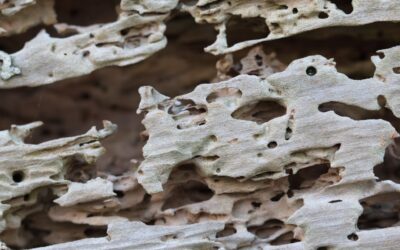
The early warning signs of termites in floor are easy to miss because these insects eat wood from the inside out, hollowing joists and boards while the surface still looks intact. By the time a plank visibly collapses, a colony may have been feeding for years. Catching the problem early, when it is a few blistered boards rather than a failed subfloor, is the difference between a few hundred dollars in treatment and a five-figure structural repair. Here is exactly what to watch for underfoot.
Why Floors Are a Termite Favorite
Subterranean termites, the most destructive type in the US, nest in soil and travel up through foundations to reach the wood in your floors and subfloor. They crave cellulose and moisture, so ground-level floors, rooms over crawl spaces, and areas near plumbing leaks are prime targets. Because they work behind the surface and inside joists, damage stays hidden until it is advanced, which is precisely why knowing the subtle early signs matters so much.
The Sounds and Feels Underfoot
Your feet and a simple knuckle test often detect termites before your eyes do. Pay attention to these physical clues:
- Hollow-sounding boards — tap suspect planks with a screwdriver handle. A papery, hollow sound where nearby boards sound solid signals wood eaten from within.
- Spongy or sagging spots — floors that feel soft, bounce, or dip underfoot may have a weakened subfloor beneath.
- Squeaks that are new — fresh creaking as fasteners lose their grip in damaged wood.
- Loose or lifting planks — boards that suddenly shift or pop up as the material below deteriorates.
What You Can See
Visual signs are subtle but telling once you know them. Look closely at your baseboards, plank surfaces, and any exposed wood:
- Blistering or bubbling — laminate and hardwood surfaces that look like water damage but with no water source often hide termite activity underneath.
- Buckling or cupping planks — warping in an isolated area, especially near a wall.
- Pinholes and tiny exit holes — small holes in wood or drywall, sometimes sealed with a mud-like plug.
- Darkening or staining — discoloration along board seams where moisture and frass collect.
The Unmistakable Evidence
Some signs leave little doubt that termites are present rather than mere water damage. Finding any of these means you should call a professional promptly:
- Mud tubes — pencil-width tunnels of soil and saliva running up foundation walls, along baseboards, or in crawl spaces. Subterranean termites build these to travel.
- Discarded wings — small piles of translucent, equal-length wings near windowsills, doors, or floors after a swarm.
- Frass — drywood termites push out tiny, ridged pellets that resemble coarse sawdust or coffee grounds, often in small mounds near infested wood.
- Live swarmers — winged termites emerging indoors, frequently mistaken for flying ants, usually in spring.
Termite Damage vs. Water Damage
Blistering, cupping, and soft spots can also come from moisture, so it helps to tell them apart. Water damage usually traces to an obvious source, a leak, a spill, a humid crawl space, and the wood feels wet or smells musty. Termite damage appears without a water source, often shows the tapping hollowness, and comes paired with mud tubes, wings, or frass. When in doubt, pry up a suspect board’s edge: termite-eaten wood is riddled with hollow galleries running along the grain and packed with soil.
What to Do If You Spot the Signs
Do not wait or try to spot-treat with hardware-store spray, which only kills the few termites you can see while the colony keeps feeding. Take these steps:
- Photograph and note the location of every sign you find.
- Check the perimeter of your foundation and any crawl space for mud tubes.
- Schedule a professional termite inspection; many companies offer them free or for a modest fee.
- Get written estimates for treatment, whether liquid barrier, bait stations, or fumigation for drywood species.
- Fix moisture problems, leaks, poor drainage, damp crawl spaces, since they invite reinfestation.
Prevention That Actually Helps
Once you have treated an infestation or if you want to avoid one, reduce the conditions termites love. Keep soil and mulch several inches below siding and wood, direct downspouts away from the foundation, ventilate crawl spaces, repair plumbing leaks quickly, and store firewood away from the house. An annual professional inspection is inexpensive insurance, particularly in the warm, humid regions of the South and Southeast where subterranean termites are most active.
Where to Inspect First
Termites favor specific spots, so a smart self-inspection targets them rather than wandering the whole house. Start where wood meets moisture and where the floor sits closest to soil:
- Ground-floor rooms over crawl spaces — especially bathrooms, kitchens, and laundry areas with plumbing.
- Baseboards and door frames — tap along them and look for mud tubes or tiny holes at the base.
- Near exterior walls — subterranean termites enter through the foundation, so damage often starts along the perimeter.
- Around plumbing penetrations — leaks under sinks and tubs create the damp wood termites love.
- Basements and crawl spaces — check foundation walls and floor joists for mud tubes with a flashlight.
Do a quick pass every few months, particularly in spring when swarms occur, and after any plumbing leak or flooding event.
What Treatment Actually Costs
Catching termites early pays off dramatically because treatment is far cheaper than repair. A professional liquid barrier treatment for a typical home often runs several hundred to a couple thousand dollars, and bait station systems fall in a similar range with ongoing monitoring. Fumigation for a widespread drywood infestation costs more, sometimes several thousand dollars, because it tents the whole structure. Compare that to structural repairs: replacing a termite-eaten subfloor and joists can run into the tens of thousands. This gap is the whole argument for early detection, an annual inspection that costs little can save you a catastrophic repair bill. Homeowner’s insurance almost never covers termite damage, since it is considered preventable, which makes vigilance your only real protection.
The Bottom Line
Learning the early warning signs of termites in floor damage, hollow-sounding boards, unexplained blistering, sagging spots, mud tubes, discarded wings, and frass, lets you act while repairs are still small. Tap suspect boards, inspect your foundation, and call a licensed professional at the first solid clue. Early detection turns a potential structural catastrophe into a routine treatment, and a yearly inspection keeps the colony from ever getting a foothold.
Prefer to explore on your own?
See how new flooring looks in your actual room in seconds — free, no signup.
Try the free Floor Studio →