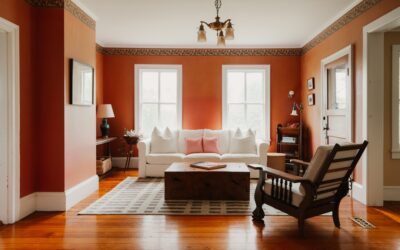
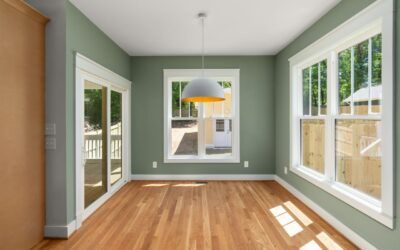
Paint sheen is not a decorative choice. It determines how the surface handles cleaning, where light reflections show defects, and how long the finish lasts in high-traffic areas. The eggshell paint vs semi gloss decision comes down to four variables: washability, light reflection, durability, and how forgiving the finish is on imperfect drywall. Get the sheen wrong and the room will fight you for the next decade.
Part of our Paint & Walls guide — explore the full guide →
Understanding Sheen on the Manufacturer Scale
Paint manufacturers measure sheen in gloss units (GU) using a 60-degree reflectometer. Flat paint reads 0 to 5 GU. Matte reads 5 to 10. Eggshell typically reads 10 to 20. Satin reads 20 to 35. Semi-gloss reads 35 to 70. High gloss reads 70 to 90. The higher the number, the more reflective and durable the finish.
Different brands use different reference points within each category. Benjamin Moore Aura eggshell reads slightly higher in sheen than Sherwin-Williams Emerald eggshell. Behr Premium Plus semi-gloss reads slightly lower than Sherwin-Williams Cashmere semi-gloss. When comparing across brands, the named sheen is a guide rather than an exact measurement.
Eggshell: What It Does Best
Eggshell sits between flat and satin and delivers a soft, low-luster finish that hides minor wall imperfections while still allowing gentle cleaning. The slight sheen reflects just enough light to add depth to wall colors without creating glare. For living rooms, bedrooms, dining rooms, and home offices, eggshell is the standard professional pick.
The washability is the key differentiator from flat paint. Eggshell handles light scrubbing with a damp microfiber cloth and dish soap without burnishing or color loss. Modern formulations like Sherwin-Williams Emerald Designer Edition and Benjamin Moore Aura match the washability of older satin paints while keeping the lower sheen profile.
Semi-Gloss: Where It Belongs
Semi-gloss reflects roughly 35% to 60% more light than eggshell and stands up to repeated scrubbing with mild cleaners. The slick surface resists moisture, food splatter, and grease far better than lower sheens. Kitchens, bathrooms, laundry rooms, mudrooms, and all interior trim work are standard semi-gloss territory.
The tradeoff is visibility. Semi-gloss highlights every drywall imperfection, brush stroke, and roller mark under raking light. If your walls have texture inconsistencies, patched drywall, or poor original prep, semi-gloss will broadcast those issues. Eggshell hides what semi-gloss reveals.
Washability and Cleaning
The ASTM D4828 standard measures washability through cycles of scrubbing with abrasive media before color loss occurs. Flat paint typically rates 100 to 500 cycles. Eggshell rates 1,000 to 3,000 cycles. Semi-gloss rates 4,000 to 8,000 cycles. High gloss rates 10,000+ cycles.
For a family kitchen with kids and constant cleaning, semi-gloss is the safer choice on walls and trim. For a guest bathroom that gets cleaned weekly with a quick wipe-down, eggshell handles the duty. The Scrubability rating on the back of premium paint cans gives you a sense of how the specific product compares within its sheen category.
Light Reflection and Room Perception
Eggshell absorbs more light than semi-gloss and produces a richer, more saturated color appearance. The same Benjamin Moore Hale Navy HC-154 in eggshell reads deeper and moodier than in semi-gloss, where the higher reflection lightens the visual color by roughly 10%.
For small rooms that need to feel larger, semi-gloss bounces more light off walls and creates a brighter, more open feel. For large rooms that benefit from intimacy, eggshell holds the color and creates a cocoon effect. The same paint color in different sheens can look like two different colors when applied side by side, which is why painters always test both sheens on samples before committing.
Trim Versus Wall Decisions
Interior trim work, including baseboards, door casings, window casings, crown molding, and doors themselves, is almost always semi-gloss or high gloss. The harder finish stands up to vacuum bumps, furniture scrapes, and weekly dusting. It also visually separates the trim from the eggshell walls, creating a clean break that reads as a deliberate design choice.
For modern minimalist looks, painting trim the same sheen as walls and only slightly varying the color creates a calmer, more flush appearance. Whole-room satin or eggshell on both walls and trim has become a popular European-influenced choice for primary bedrooms, guest rooms, and any space where the trim is meant to recede rather than draw attention.
Hiding Drywall Flaws
This is the most underrated reason to pick eggshell over semi-gloss. New drywall installations finished to Level 4 standard look great in eggshell but reveal banding, joint inconsistencies, and roller marks under semi-gloss. Older walls with decades of patches, settling cracks, and surface variation hide better under eggshell.
If you want semi-gloss on imperfect drywall, the wall needs Level 5 finish work first: a skim coat of joint compound over the entire surface, sanded smooth, primed, and then painted. Plan on $1.50 to $2.50 per square foot for a Level 5 skim coat plus the standard paint cost. Most homeowners skip this step and live with the imperfections rather than pay for the prep.
Specific Room Recommendations
For living rooms, dining rooms, bedrooms, and home offices, eggshell on walls and semi-gloss on trim is the standard pro recommendation. For kitchens, semi-gloss on walls and high gloss on trim handles the daily abuse without losing finish quality.
For bathrooms, the answer depends on ventilation. Bathrooms with strong exhaust fans tolerate eggshell on walls. Poorly ventilated bathrooms need semi-gloss because the moisture-resistant slick surface prevents mildew growth on the paint film. For laundry rooms and mudrooms, semi-gloss everywhere because of moisture, dirt, and constant cleaning. For ceilings, flat or matte unless you want every imperfection highlighted by overhead lighting.
Cost Comparison
Within the same product line, semi-gloss typically costs 5% to 10% more per gallon than eggshell. Sherwin-Williams Emerald eggshell runs $77 a gallon while semi-gloss runs $82. Benjamin Moore Aura eggshell runs $89 while semi-gloss runs $93. The cost difference is negligible compared to the durability and aesthetic implications of choosing the wrong sheen.
Skipping premium paint to save $20 per gallon usually costs more in repaints over the next five years than it saves up front. For a 12×16 bedroom, the paint cost difference between economy and premium is roughly $80, but premium paint typically lasts 8 to 12 years versus 4 to 6 for economy. The eggshell paint vs semi gloss decision should follow function rather than price.