It is the part of your home’s wiring you never see and rarely think about, yet a properly installed electrical grounding system is one of the most important safety features protecting your family from shock and fire. Grounding gives stray electrical current a safe, controlled path to the earth instead of through a person or a flammable material. When it works, you never notice it. When it is missing or faulty, the consequences can be severe. This guide explains in plain terms how grounding and bonding work, what the major components do, and why any work on the system belongs to a licensed electrician.
What Grounding Actually Does
At its core, grounding provides a low-resistance path for electricity to flow safely into the earth. In normal operation, current flows out on the hot conductor and returns on the neutral. But if a fault occurs, such as a hot wire touching a metal appliance case, that energized metal becomes dangerous to touch. The grounding system gives that fault current somewhere to go besides through your body.
When a fault reaches ground, it creates a surge of current that trips the circuit breaker or blows the fuse, cutting power to the problem. So grounding does two jobs at once: it keeps exposed metal at a safe potential, and it helps the overcurrent device shut things down quickly. Both functions depend on every connection being intact.
Grounding vs. Bonding: The Key Distinction
People use these terms interchangeably, but they describe two related ideas. Grounding connects the electrical system to the earth, typically through ground rods or other electrodes. Bonding connects all the metal parts of the system together so they share the same electrical potential and no dangerous voltage difference can build up between them.
Think of it this way: bonding ties the metal components together into one unified system, and grounding ties that system to the earth. Both are required for safety, and the code specifies exactly how and where they connect. Getting the relationship between the two wrong is a common and dangerous error, which is one reason this work is not a DIY task.
Key Components of a Grounding System
A residential grounding system is made of several parts working together. Understanding what each does helps you appreciate why the whole chain must be complete:
- Grounding electrode (ground rod): a copper or galvanized rod, usually 8 feet long, driven into the soil to connect the system to the earth
- Grounding electrode conductor: the wire that links the ground rod to the main panel
- Equipment grounding conductor: the green or bare wire running with the circuit conductors to each device and outlet
- Main bonding jumper: the connection in the main panel that bonds the neutral and ground together at a single point
- Grounding bus bar: the metal strip in the panel where all the ground wires terminate
Many homes use more than one electrode, such as a pair of ground rods or a connection to the metal water service and a concrete-encased electrode, to ensure a reliable earth connection.
The Equipment Ground: Your Everyday Protection
The part of the system you interact with most is the equipment grounding conductor, the third prong on a modern outlet. When you plug in a metal-cased tool, refrigerator, or computer, that third wire connects the appliance’s metal frame to the grounding system. If a fault energizes the frame, the ground wire carries the current away and trips the breaker before you can be shocked.
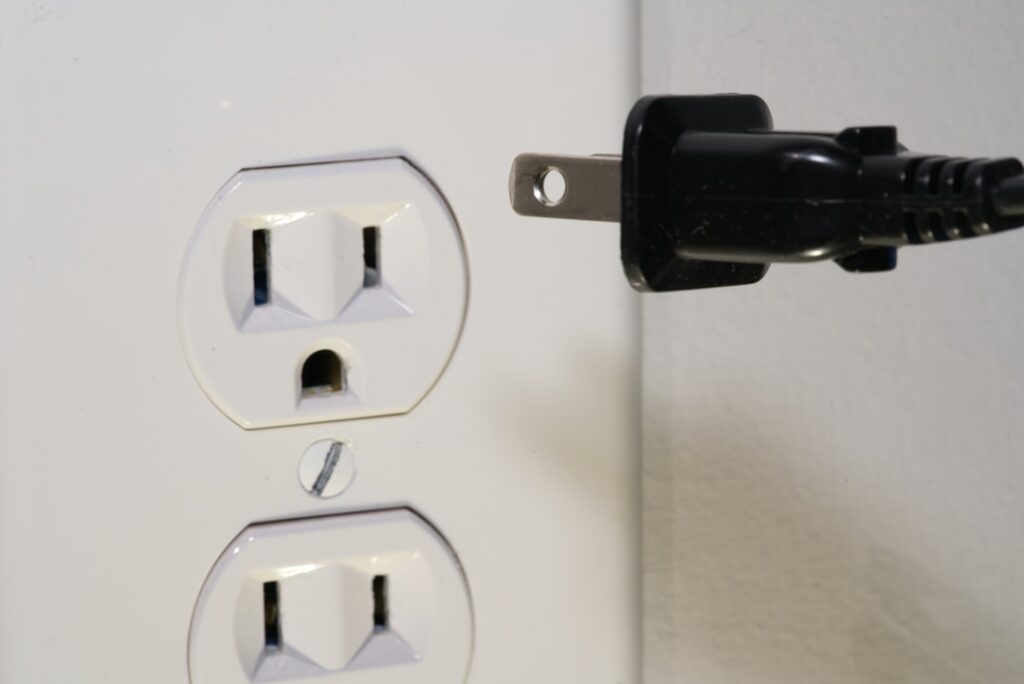
This is why two-prong outlets in older homes are a safety concern: they often lack a true equipment ground, leaving appliance cases unprotected. Replacing a two-prong outlet with a three-prong one without an actual ground behind it is both a code violation and a false sense of security. Proper grounding requires a real conductor back to the panel, not just a different-looking receptacle.
Ground Rods and the Earth Connection
The ground rod is the literal link between your home and the earth. Code typically requires the rod to be at least 8 feet long and driven nearly flush with or below the soil surface. Because a single rod may not achieve low enough resistance in all soil types, the code often calls for two rods spaced at least 6 feet apart, or supplementing the rod with other electrodes.
The grounding electrode conductor that connects the rod to the panel must be properly sized and securely clamped. A loose or corroded ground clamp can quietly defeat the whole system, which is the kind of subtle failure a licensed electrician is trained to catch during an inspection. The earth connection is only as good as its weakest link.
Signs of a Grounding Problem
Grounding faults often hide until something goes wrong, but there are warning signs worth knowing. Pay attention if you notice any of the following, and have them investigated:
- Mild shocks or tingling when touching appliances or faucets
- Outlets that test as ungrounded on a plug-in outlet tester
- Two-prong outlets throughout the home with no ground
- Flickering lights or electronics that fail or behave erratically
- A burning smell or scorch marks near outlets or the panel
A simple plug-in outlet tester from the hardware store can flag obvious grounding faults, but it cannot confirm that the entire system is correct. Use it as a screening tool, not a final verdict.
Why This Is a Job for a Licensed Electrician
Grounding and bonding are governed by detailed code requirements, and the consequences of errors are shock, fire, and equipment damage. The rules around where the neutral and ground bond, how to size conductors, and how to handle subpanels and multiple electrodes are precise and easy to get wrong. A mistake may not be visible and may not cause trouble until a fault occurs years later.
For all of these reasons, any work on your grounding system, from upgrading old wiring to adding a subpanel, should be performed by a licensed electrician and inspected to current code. They have the training, testing instruments, and legal authority to verify the system actually protects you. This is not a place to learn by trial and error.
A sound electrical grounding system is invisible insurance against the worst electrical hazards. Understanding how grounding and bonding work, what the ground rod and equipment grounds do, and how to spot warning signs makes you a smarter, safer homeowner. When it comes to installing or upgrading any part of that system, leave the actual work to a licensed professional and insist on a proper inspection.