The gray metal box in your basement or garage is the most critical piece of infrastructure in your home — every circuit, outlet, and light depends on it. Understanding electrical panel wiring at a conceptual level helps you communicate with electricians, troubleshoot tripped breakers, and know which upgrades are worth doing. The National Electrical Code (NEC) updates every three years, so always verify current local requirements, and understand up front: most panel work requires a permit and, in many jurisdictions, a licensed electrician.
What Lives Inside the Panel
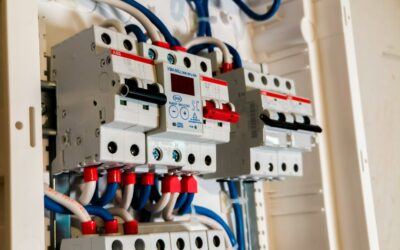
A residential load center has five main components. From top to bottom:
- Main service lugs: where the two hot legs (120V each) from the utility enter the panel
- Main breaker: the master switch that shuts off power to the entire panel, typically 100A, 150A, or 200A
- Hot bus bars: two vertical metal strips that deliver power to individual breakers
- Neutral bus bar: a horizontal bar where all white wires terminate
- Ground bus bar: a separate bar (or bonded to neutral at the main panel only) where all bare copper or green ground wires terminate
In a main panel, neutral and ground are bonded together. In a subpanel, they are kept separate with a removable bonding screw, which is a code requirement that catches a lot of homeowners off guard.
Breaker Sizing Basics
Each branch circuit has its own breaker sized to protect the wire, not the appliance. The wire determines the maximum breaker:
- 14 AWG wire: maximum 15A breaker, for lighting and general-purpose receptacles
- 12 AWG wire: maximum 20A breaker, for kitchen and bathroom receptacles, many living room circuits
- 10 AWG wire: maximum 30A breaker, for electric dryers and some water heaters
- 8 AWG wire: maximum 40A breaker, for electric ranges
- 6 AWG wire: maximum 60A breaker, for larger appliances and subpanels
Oversizing a breaker to stop nuisance tripping is one of the most dangerous DIY mistakes. A 20A breaker on 14 AWG wire can let the wire overheat and start a fire before the breaker ever trips.
The Color Code
Residential wiring follows a standard color convention that makes troubleshooting faster:
- Black: hot (ungrounded conductor), 120V
- Red: hot, second leg of 240V circuits or switched-hot in three-way switches
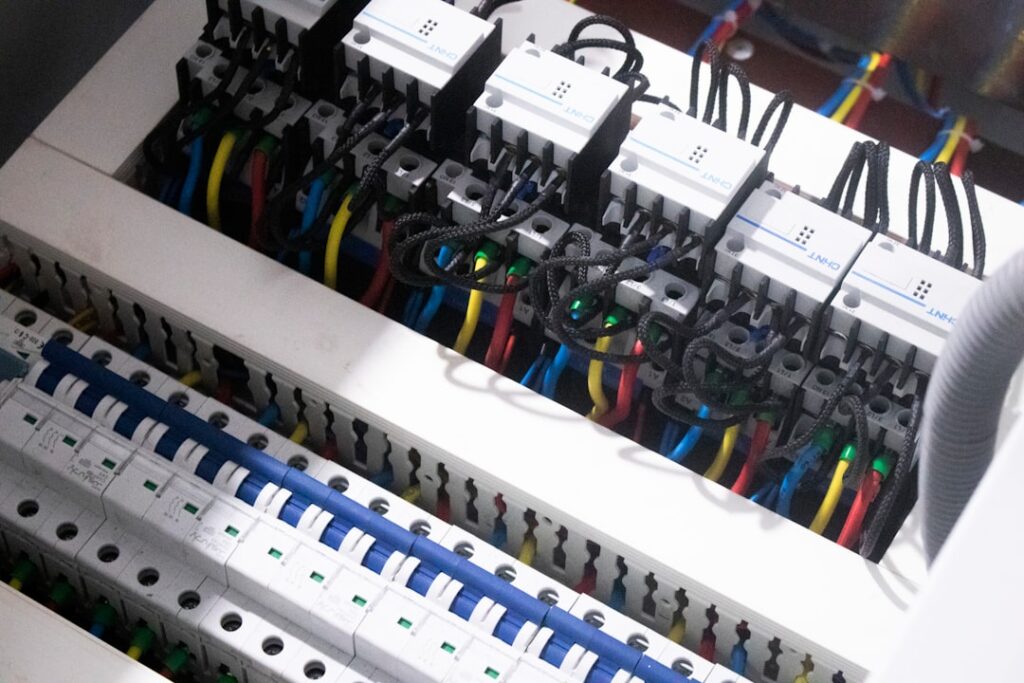
- White: neutral, returns current to the panel
- Bare copper or green: ground, for fault current
On 240V circuits, white wire is sometimes re-marked with black tape to indicate it is being used as a hot conductor. Always treat any wire as live until tested with a meter.
GFCI and AFCI Breakers
The NEC now requires ground-fault circuit interrupter (GFCI) protection in wet areas — bathrooms, kitchens, garages, outdoor outlets, basements, and laundry rooms. Arc-fault circuit interrupter (AFCI) protection is required in bedrooms, living rooms, and most other dry spaces.
Dual-function GFCI/AFCI breakers from Square D, Eaton, and Siemens cost $35-$55 each versus $8-$15 for standard breakers. They are sensitive and occasionally trip nuisance-style, but they prevent real fires from arcing and real electrocutions from ground faults.
Permits and Inspections
Every jurisdiction in the US requires a permit for new circuits, panel replacements, service upgrades, and generally any work beyond replacing a single breaker or receptacle. Permits typically cost $50-$200, and the inspection that follows catches dangerous mistakes.
Doing work without a permit creates problems when you sell — home inspectors flag unpermitted electrical work and buyers often back out or demand repairs. The permit cost is trivial compared to the hassle it prevents.
When to DIY and When to Hire an Electrician
Some homeowner-level tasks are reasonable for an experienced DIYer:
- Replacing a single breaker with the same amperage
- Replacing a receptacle or switch on an existing circuit
- Resetting a tripped breaker
- Labeling the panel directory
Tasks that demand a licensed electrician:
- Adding a new circuit from the panel
- Replacing the entire panel
- Upgrading service amperage (100A to 200A)
- Running wire through finished walls
- Anything touching the main service lugs upstream of the main breaker
Safety Precautions If You Open the Panel
Even with the main breaker off, the service lugs upstream remain energized by the utility. Opening the cover exposes those lugs within about an inch of your fingers.
- Shut off the main breaker
- Remove the cover screws with an insulated-handle screwdriver
- Pull the cover straight off, avoiding the lugs at the top
- Test any wire with a non-contact voltage tester before touching
- Never work on the panel during a thunderstorm
- Wear safety glasses — arc flashes happen fast if something goes wrong
Signs Your Panel Needs Replacement
A panel reaching end of life shows warning signs well before it fails. Watch for:
- Federal Pacific Stab-Lok, Zinsco, or Pushmatic brand labels — known defective, replace immediately
- Breakers that trip repeatedly even after reducing the load
- Double-tapped breakers (two wires in one breaker terminal)
- Scorch marks, rust, or melted plastic inside the panel
- Burning smell or buzzing sounds
- A main panel under 100A in a home with modern appliances
A full panel replacement runs $2,000-$4,500 depending on size and location. If the service entrance also needs upgrading, add $1,500-$3,000. Spread over the 30-40 year life of a modern panel, it is one of the cheaper pieces of home infrastructure you own.
Keeping the Directory Current
Whatever panel you have, keep the breaker directory updated and legible. When you flip a breaker to work on a light or outlet, knowing which one controls which room saves minutes and prevents mistakes. Walk the house with a partner twice a year, testing and labeling every circuit with specifics — “Kitchen south wall outlets” beats “kitchen.”