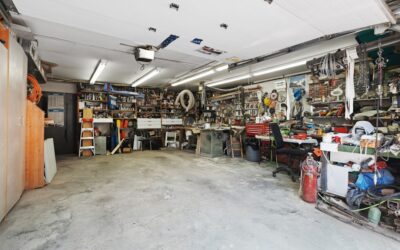
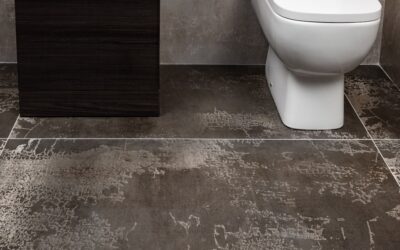
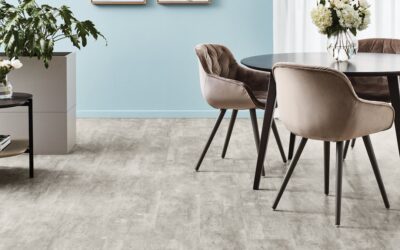
In my 20+ years of flooring experience, I’ve installed, repaired, and replaced more epoxy floors than I can count. And while I appreciate what epoxy does well — it’s durable, attractive, and transforms concrete floors — I’ve also seen the problems firsthand that most marketing materials conveniently ignore. Before you commit to an epoxy floor for your garage, basement, or commercial space, you need an honest assessment of epoxy flooring disadvantages. Here’s the unvarnished truth from someone who’s dealt with every issue on this list.
Part of our Epoxy, Concrete & Garage Floors guide — explore the full guide →
1. Extremely Slippery When Wet
This is the epoxy flooring disadvantage that concerns me most, because it’s a safety issue. A glossy epoxy floor becomes dangerously slippery when wet — and I mean dangerously. Water, oil, snow melt tracked in from outside, even a spilled drink can turn an epoxy floor into an ice rink. In a garage setting, where you’re walking from a wet driveway onto the epoxy surface, the slip risk is real and serious.
The solution is adding anti-slip aggregate (aluminum oxide, silica sand, or polymer grit) to the topcoat during application. This creates a textured surface that improves traction significantly. However, the anti-slip additive changes the appearance — the floor becomes less glossy and more matte — and the textured surface is harder to sweep and mop clean. You’re essentially trading one problem (slipperiness) for another (cleaning difficulty).
Some homeowners opt for a broadcast flake system (decorative paint chips scattered on the epoxy) which adds some texture, but in my experience, flake systems alone don’t provide adequate slip resistance on genuinely wet surfaces. If you live in a climate with rain and snow, anti-slip additive is non-negotiable.
2. Extensive Surface Preparation Required
Here’s the dirty secret of epoxy flooring: the prep work is 80% of the job, and cutting corners on prep is the number one reason epoxy floors fail. The concrete surface must be profiled — mechanically abraded to create microscopic texture for the epoxy to grip. This typically requires diamond grinding or shot blasting, both of which generate massive amounts of dust and noise.
What Proper Prep Involves
- Cleaning: Remove all oil stains, paint, tire marks, and contaminants. Oil-contaminated concrete may need chemical treatment or removal of the contaminated layer.
- Repair: Fill cracks, spalls, and divots with epoxy-compatible patching compound.
- Moisture testing: Perform a calcium chloride or relative humidity test to verify moisture levels are within acceptable limits.
- Grinding or shot blasting: Profile the surface to CSP 2-3 (Concrete Surface Profile) for proper adhesion. This is the step most DIYers skip or underdo — and it’s the step that determines whether your epoxy lasts 10 years or peels in 10 months.
For a two-car garage (approximately 400-500 square feet), proper surface preparation takes a full day of labor with professional equipment. The grinding machines alone rent for $200-$400 per day. This is why the gap between cheap DIY epoxy kits ($100-$300) and professional epoxy installation ($3,000-$7,000) is so vast — the DIY kits don’t include the expensive prep work that makes or breaks the coating.
3. Yellowing and UV Sensitivity
Standard epoxy coatings (amine-cured) yellow when exposed to UV light. This isn’t a minor issue — over months of sunlight exposure, a bright white epoxy floor can turn a noticeable amber/yellow color, and lighter tints develop an ugly warm cast. In a garage where the door is open frequently, the areas near the door yellow while the back of the garage stays closer to the original color, creating an uneven, blotchy appearance.
The solution is using a polyaspartic or aliphatic polyurethane topcoat instead of an all-epoxy system. Polyaspartic coatings are UV-stable and won’t yellow. Many professional installers now use a hybrid system: epoxy base coat for adhesion and build, plus a polyaspartic topcoat for UV resistance and abrasion resistance. This hybrid approach works well but adds to the cost.
If you’re buying a DIY epoxy kit from a home center, check whether it includes a UV-stable topcoat. Many budget kits are straight epoxy with no UV protection — they’ll yellow within the first year in a sunlit space.
4. Extremely Difficult and Expensive to Remove
Once epoxy is down, it’s down for good — which sounds like a positive until you want to change your flooring. Removing epoxy requires aggressive diamond grinding that essentially shaves the top layer of concrete off along with the coating. This process is loud, dusty, expensive, and damages the concrete surface, making it harder to apply any future flooring treatment.
I’ve quoted epoxy removal jobs at $3 to $7 per square foot — meaning it can cost $1,500-$3,500 to remove epoxy from a two-car garage. That’s often more than the original installation cost. And the concrete left behind is rough and scarred, requiring additional preparation before any new flooring can be applied.
This permanence means you need to be very sure about your color, finish, and system choice before committing. Recoating over existing epoxy is possible but requires surface preparation and compatibility testing with the existing coating — you can’t just slap new epoxy over old.
5. Moisture Problems
Epoxy is a moisture vapor barrier — it doesn’t breathe. When applied over concrete that has moisture migrating up from the soil below (a condition called moisture vapor transmission), the water pressure pushes the epoxy off the concrete surface, causing bubbling, blistering, and delamination. This is one of the most common and frustrating epoxy floor failures.
The critical issue is that many garages and basements have moisture vapor transmission levels that exceed epoxy’s tolerance. Concrete looks dry on the surface but is actively wicking moisture from the ground below. A simple plastic sheet test (tape a 2×2-foot plastic sheet to the concrete for 24 hours and check for condensation) can reveal obvious moisture problems, but a quantitative calcium chloride test or in-situ relative humidity test is needed for reliable results.
If your concrete has moisture issues, you either need a moisture mitigation primer (adds $1-$3 per square foot to the project cost) or you should consider a breathable coating system like a penetrating sealer or stain instead of epoxy.
6. Cracking and Peeling Issues
Epoxy is rigid — it doesn’t flex. When the underlying concrete cracks (and concrete always cracks eventually), the epoxy cracks with it. There’s no bridge or flex in the coating. You’ll see a clean, obvious crack line right through your beautiful epoxy surface, and there’s no easy way to repair it invisibly.
Peeling — where sheets of epoxy separate from the concrete — is usually a prep failure. The concrete wasn’t properly profiled, wasn’t clean enough, or had moisture issues. But even properly installed epoxy can peel at edges, around floor drains, and in areas subject to hot tire pickup (the heat from car tires softens standard epoxy and lifts it off the concrete as the car drives away).
Hot tire pickup is a notorious problem in garage applications. Standard epoxy coatings are vulnerable to the 200-250°F surface temperatures of tires that have been driven on hot pavement. The tires essentially re-melt the epoxy surface and pull it away when the car leaves. Professional-grade polyaspartic and polyurea coatings are much more resistant to hot tire pickup, but they cost 2-3 times more than basic epoxy.
7. Temperature Sensitivity During Application
Epoxy is notoriously finicky about application conditions. Most products require air and concrete surface temperatures between 50°F and 90°F with relative humidity below 85%. Outside this window, the epoxy may not cure properly — resulting in soft spots, cloudy appearance, adhesion failure, or uneven gloss.
This creates a surprisingly narrow installation window in many climates. In northern states, garages are too cold for epoxy application from November through March. In southern states, summer garage temperatures often exceed 90°F, making midday application risky. The concrete temperature is especially important — it responds to temperature changes more slowly than air, so even if the air temperature is fine, the concrete may still be too cold or too hot.
Pot life is another temperature-related concern. Once mixed, two-part epoxy begins curing immediately. In warm conditions, pot life shrinks dramatically — sometimes to as little as 15-20 minutes. If you can’t get the mixed epoxy on the floor fast enough, it begins hardening in the bucket, generating significant heat (exothermic reaction) and becoming unusable.
8. Strong Odor and VOC Concerns
Solvent-based and some water-based epoxy coatings produce strong fumes during application and curing. The odors can be intense — headache-inducing in enclosed spaces like basements — and may persist for days after application. Proper ventilation is essential, and in some cases, you’ll want to vacate the house during application and the initial cure period.
VOC (volatile organic compound) content varies widely between products. Solvent-based epoxies have the highest VOC levels and strongest odors. Water-based formulas are lower in VOCs but may sacrifice some performance. Some states (particularly California) have strict VOC regulations that limit which products can be sold and used.
If you’re applying epoxy in an attached garage, consider that fumes can migrate into the house through the garage-to-house door and through shared wall cavities. Anyone with respiratory sensitivities should plan to be elsewhere during application.
9. Higher Cost Than Most People Expect
The disconnect between what people expect to pay and what quality epoxy flooring actually costs is enormous. Those $100-$300 DIY kits from home centers create an expectation that epoxy flooring is cheap. In reality:
- DIY kit (one-coat, basic): $100–$300 for a two-car garage, but the results are often disappointing and short-lived.
- DIY with proper prep (grinder rental, quality product): $500–$1,500
- Professional installation (full prep, epoxy base, polyaspartic top): $3,000–$7,000 for a two-car garage
- High-end professional (metallic epoxy, custom design): $7,000–$15,000+
When clients ask me to compare costs, I point out that luxury vinyl plank can be installed in a basement for $3-$6 per square foot, interlocking garage tiles for $3-$8 per square foot, and professional epoxy for $6-$14+ per square foot. Epoxy isn’t the budget option most people assume it is — at least not when done correctly.
10. Hard and Uncomfortable Underfoot
Epoxy is a thin coating over concrete — it adds essentially zero cushion or comfort to the surface. Standing on an epoxy floor for extended periods is just as fatiguing as standing on bare concrete. If you use your garage as a workshop where you stand for hours, you’ll need anti-fatigue mats regardless of whether you have epoxy or not.
Epoxy is also cold underfoot in winter and provides no sound absorption. Dropped tools clang just as loudly on epoxy as on bare concrete. Items dropped on the floor break just as readily. For spaces where comfort matters — basements used as living space, play rooms, home gyms — other flooring options like rubber, LVP, or carpet tiles provide significantly better comfort.
When Epoxy Flooring Does Make Sense
Despite this list of disadvantages, I’m not anti-epoxy. It makes excellent sense in specific applications:
- Commercial and industrial floors where durability, chemical resistance, and easy cleaning outweigh comfort and aesthetics
- Garages where you want a showroom look and are willing to invest in professional installation with UV-stable topcoats
- Areas with specific chemical exposure — epoxy resists oil, gasoline, brake fluid, and many industrial chemicals
- Food service and healthcare facilities where seamless, sanitizable surfaces are required by code
The key is going in with realistic expectations, proper preparation, and a quality product system — not a $79 box from the hardware store.
Alternatives to Epoxy Flooring
Polyaspartic Coatings
Polyaspartic coatings cure faster, resist UV yellowing, and handle hot tires better than standard epoxy. They’re applied in a single day (vs. multiple days for epoxy) and achieve full cure within 24 hours. The downsides are higher material cost and a very fast pot life that demands professional application.
Interlocking Garage Tiles
PVC or polypropylene interlocking tiles snap together directly over concrete with zero prep, zero adhesive, and zero cure time. They’re instantly usable, available in many colors and patterns, and easily replaceable if damaged. They cost $3-$8 per square foot and are genuinely DIY-friendly.
Concrete Stain
Acid or water-based concrete stains penetrate into the concrete rather than sitting on top like epoxy. They won’t peel or delaminate, won’t have moisture problems, and create an attractive semi-transparent color. However, they don’t provide the glossy, coated look of epoxy and offer less chemical resistance.
Rubber Flooring
Rubber rolls or tiles provide excellent comfort, sound absorption, and slip resistance. They’re the preferred flooring for home gyms, workshops, and play areas. They’re more comfortable than epoxy in every way, though they don’t have the same sleek, high-gloss aesthetic.
Frequently Asked Questions
How long does epoxy flooring last?
Professionally installed epoxy flooring with proper surface preparation typically lasts 10-20 years in a residential garage. DIY epoxy kits applied without adequate prep commonly fail within 1-5 years — peeling, hot tire pickup, and yellowing are the most frequent problems. The coating system matters enormously: a full system with primer, epoxy base, and polyaspartic topcoat will outlast a single-coat epoxy by years.
Is epoxy flooring worth it for a garage?
It depends on your priorities and budget. If you want a beautiful, showroom-quality garage floor and are willing to invest $3,000-$7,000 in professional installation, the result can be impressive and long-lasting. If you’re looking for a cheap weekend project using a box-store kit, you’re likely to be disappointed with the results. The honest answer is that epoxy is worth it when done right, but “done right” costs significantly more than most people budget.
Why is my epoxy floor peeling?
Peeling epoxy is almost always caused by one of three things: inadequate surface preparation (the concrete wasn’t properly ground or profiled), moisture vapor transmission from beneath the concrete slab, or contamination (oil, dust, or sealers on the concrete that prevent adhesion). In rare cases, the epoxy product itself is defective or was mixed incorrectly. Unfortunately, there’s no shortcut to fixing peeling epoxy — the failed coating must be removed by grinding, the underlying cause addressed, and a new coating applied.
Can you put epoxy over old epoxy?
You can, but it requires careful preparation. The existing epoxy must be in good condition (no peeling or delamination), clean, and lightly sanded or abraded to create adhesion for the new coat. You also need to confirm compatibility — some epoxy formulations don’t adhere well to others. When in doubt, apply a test patch in an inconspicuous area and let it cure fully before committing to the entire floor.
What is the biggest problem with epoxy floors?
In my experience, the single biggest problem is installation failure due to inadequate surface preparation. The second biggest is hot tire pickup in garage applications. Both problems are preventable with proper technique and product selection, but they’re so common because most homeowners either attempt DIY without proper equipment or hire the cheapest installer who cuts corners on prep. Investing in proper preparation and a quality coating system prevents the vast majority of epoxy floor problems.