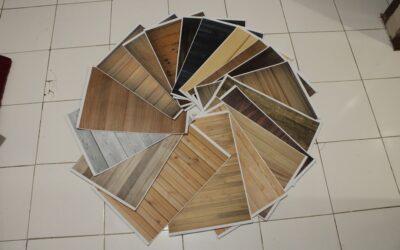
PVC flooring gets sold as the miracle floor: waterproof, cheap, and easy to install. What rarely makes the sales pitch are the PVC flooring disadvantages that surface a few years down the road, from dents under heavy furniture to fading near sunny windows and lingering questions about indoor air quality. This guide gives you the honest trade-offs so you can decide whether PVC, also sold as luxury vinyl and rigid core, belongs in your home.
- What PVC Flooring Actually Is
- Disadvantage 1: It Dents and Scratches
- Disadvantage 2: Off-Gassing and Air Quality Concerns
- Disadvantage 3: Sunlight Fading and Heat Sensitivity
- Disadvantage 4: Resale Value and Perception
- Other Drawbacks Worth Knowing
- The Pros That Keep It Popular
- How PVC Compares to the Alternatives
- How to Buy Smart If You Choose PVC
What PVC Flooring Actually Is
PVC, or polyvinyl chloride, is the plastic that forms the backbone of most vinyl flooring, including sheet vinyl, luxury vinyl plank (LVP), and rigid-core SPC and WPC products. Manufacturers print a wood or stone image onto the core and seal it under a clear wear layer. The result is durable and water-resistant, which is genuinely useful in kitchens and baths.
Because the category is so broad, “PVC flooring” can mean a $1 sheet good or a $6 premium plank. The disadvantages vary by quality tier, but several drawbacks apply across the board and deserve a clear-eyed look before you buy.
Disadvantage 1: It Dents and Scratches
For all its toughness against water, PVC is soft underfoot in a way that works against it. Heavy furniture legs, refrigerators, and appliance feet can leave permanent indentations, especially on thinner products without a rigid core. Dropping a sharp or heavy object can gouge the wear layer, and once you scratch through that protective film, the printed pattern beneath shows the damage.
Unlike hardwood, PVC cannot be sanded and refinished. A scratched or dented plank stays that way unless you replace it, and matching a discontinued product later is often impossible. Felt pads and furniture coasters help, but they’re a constant chore rather than a cure.
Disadvantage 2: Off-Gassing and Air Quality Concerns
New PVC flooring can release volatile organic compounds, the source of that “new floor” smell. Lower-quality or imported products have historically been linked to higher VOC and phthalate emissions, which is a real consideration for families with young children, asthma, or chemical sensitivities.
The fix is buyer diligence. Look for third-party certifications like FloorScore or GREENGUARD Gold, which test and limit emissions. Reputable brands made in regulated markets generally perform well, but the cheapest no-name products are where most air-quality problems hide. Ventilating the room well during the first few weeks after installation also helps clear initial off-gassing.
Disadvantage 3: Sunlight Fading and Heat Sensitivity
Direct sunlight is PVC’s quiet enemy. Sunrooms, south-facing rooms, and areas under large windows can fade or discolor vinyl over time, and the change is gradual enough that you may not notice until you move a rug and find the original color underneath.
Heat compounds the issue. PVC can expand, warp, or even soften under intense, sustained heat, which is why most manufacturers warn against installing it in unconditioned sunrooms or directly over high-output radiant heat without temperature limits. If your space gets strong afternoon sun, factor in UV-blocking window film or shades, and confirm the product’s heat tolerance.
Disadvantage 4: Resale Value and Perception
Real estate appraisers and many buyers still rank genuine hardwood and tile above vinyl, however convincing the print. In higher-end markets, an all-PVC floor can read as a builder-grade or budget choice, which may soften your home’s perceived value compared with wood or stone.
This matters less in starter homes and rentals, where durability and cost trump prestige. But if you’re renovating a property where resale prestige drives price, weigh PVC against engineered wood, which offers a similar look with stronger buyer appeal.
Other Drawbacks Worth Knowing
A few smaller cons round out the picture.
- Subfloor telegraphing: Thin PVC shows every bump and ridge in an uneven subfloor, so prep is critical.
- Difficult to recycle: PVC is not biodegradable and is rarely accepted by recyclers, raising end-of-life and environmental concerns.
- Can feel and sound hollow: Floating installs over hard subfloors may sound clicky underfoot without quality underlayment.
- Adhesive staining: Rubber-backed mats and certain rubber furniture feet can chemically stain vinyl yellow or brown permanently.
The Pros That Keep It Popular
To be fair, PVC dominates the market for good reasons. It’s waterproof, making it ideal for bathrooms, kitchens, and basements. It’s affordable, often a third the cost of the materials it imitates. Installation is DIY-friendly with click-lock systems, and it’s warm and quiet underfoot compared with tile. For families with kids and pets, those benefits often outweigh the drawbacks.
How PVC Compares to the Alternatives
Weighing PVC against its rivals clarifies whether the disadvantages are dealbreakers for you. Against laminate, PVC wins on water resistance but can dent more easily than a rigid laminate core. Against engineered hardwood, PVC is cheaper and waterproof, yet loses on resale prestige and the ability to refinish. Against ceramic tile, PVC is warmer, softer, and quieter underfoot, but tile shrugs off heat and sunlight that can warp or fade vinyl.
The pattern is consistent: PVC trades long-term prestige and repairability for upfront affordability and moisture resistance. If your priorities are a tight budget, a busy household, and wet-prone rooms, those trade-offs favor PVC. If you value resale value, the ability to sand out damage, and a material that ignores sun and heat, an alternative may serve you better. Match the floor to the room and your priorities rather than chasing a single best material.
How to Buy Smart If You Choose PVC
If the pros win for your situation, minimize the disadvantages with careful selection. Choose a rigid SPC core with a wear layer of at least 12 to 20 mil for high-traffic rooms. Demand a FloorScore or GREENGUARD Gold certification to protect air quality, and avoid the absolute cheapest imports, which is where most quality and emissions problems hide. Add UV protection to sun-soaked rooms, prep the subfloor perfectly flat so thin planks don’t telegraph bumps, and use felt pads under furniture legs. Order a sample and live with it for a few days first. Done thoughtfully, PVC flooring delivers years of low-maintenance service, with eyes open to where it falls short.
Prefer to explore on your own?
See how new flooring looks in your actual room in seconds — free, no signup.
Try the free Floor Studio →