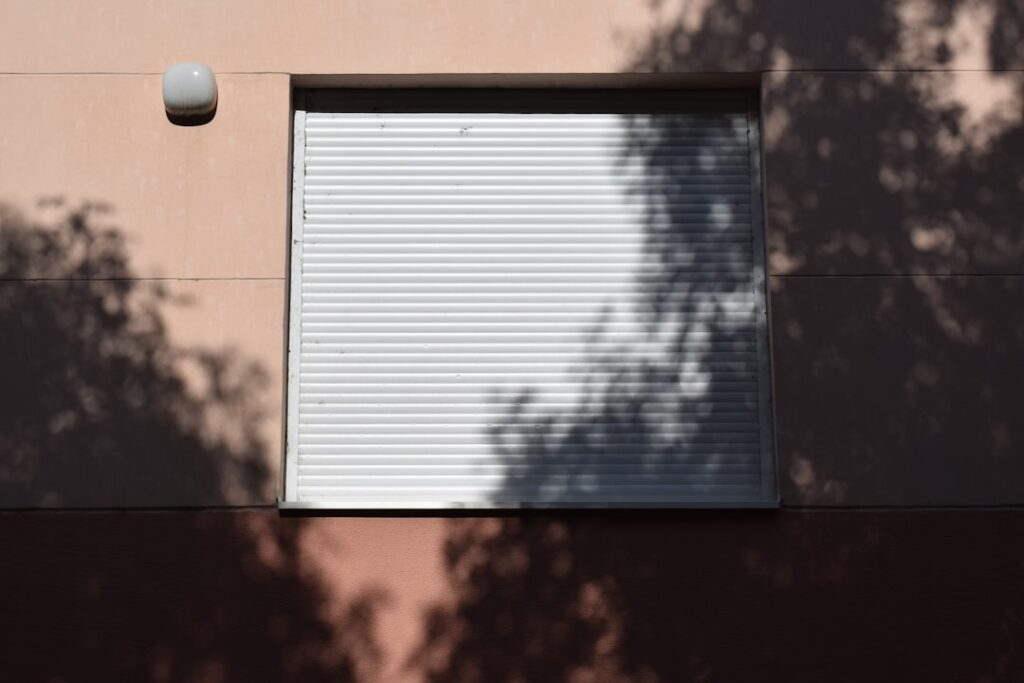
Exterior roller shades mount on the outside of your windows or patio to stop heat and glare before they ever reach the glass, making them far more effective at cooling than interior shades. Built from tough, UV-stable fabrics on weatherproof hardware, they protect furnishings and expand outdoor living space. This guide covers fabrics, heat performance, motorization, costs, and installation.
- Why Mount Shades on the Exterior
- Fabric Types and Openness Factor
- Heat and UV Reduction
- Manual vs Motorized Operation
- Wind Ratings and Side Channels
- Sizing and Span Limits
- Mounting Options
- Typical Costs
- Installation Steps
- Maintenance and Care
- Common Mistakes to Avoid
- Best Applications for Exterior Shades
- Comparing Exterior Shades to Awnings
- Longevity and Fabric Warranties
- Frequently Asked Questions
- Choosing Between Manual and Motorized
- Final Thoughts
Why Mount Shades on the Exterior
Interior shades block light after the sun has already entered and heated the room. Exterior roller shades intercept solar energy outside the glass, rejecting a large share of the heat before it gets in. This makes them dramatically more effective at reducing indoor temperatures and cooling costs, especially on east and west-facing windows that catch low, intense morning and afternoon sun. They also cut glare on screens and protect flooring from fading.
Fabric Types and Openness Factor
Exterior shade fabrics are rated by openness, the percentage of open weave. A 1 to 3 percent openness blocks most sun while keeping a filtered view, 5 percent balances shade and visibility, and 10 percent maximizes the view at the cost of more light and heat. Solid, zero-openness fabrics block sun entirely and add rain protection. Choose openness by weighing view preservation against heat and glare control.
Heat and UV Reduction
Quality exterior shades can block up to 90 percent or more of solar heat gain and up to 95 percent of UV rays. This keeps rooms cooler, eases air-conditioning loads, and shields furniture, artwork, and flooring from fading. On a hot climate home, exterior shades on sun-exposed windows deliver some of the best comfort-per-dollar of any window upgrade. Look for a high solar reflectance rating on the fabric spec sheet.
Manual vs Motorized Operation
Manual exterior shades use a crank, chain, or spring mechanism and cost less, suiting smaller or occasional-use windows. Motorized shades raise and lower with a remote, wall switch, or app, a major convenience on large spans and high windows. Many motors are solar-rechargeable, avoiding wiring. Adding sun and wind sensors lets shades deploy automatically at peak sun and retract in high wind to prevent damage.
Wind Ratings and Side Channels
Because they face the weather, exterior shades need wind resistance. Open-roll shades handle light breezes, but for exposed sites choose side channels or a zip-track system that locks the fabric edges into rails. Zip-track shades resist strong gusts, seal out insects, and stay taut. Ask for the fabric and system wind rating; many quality systems withstand winds of 30 to 50 miles per hour when properly channeled and anchored.
Sizing and Span Limits
Exterior roller shades cover wide openings, but large spans need a robust roller tube to avoid sag. Single shades commonly span up to 12 to 20 feet depending on fabric weight and system. Very wide openings use multiple shades side by side. Tall drops over 10 feet strongly favor motorization since manual mechanisms become hard to operate. Confirm the maximum recommended width for your chosen fabric and hardware.
Mounting Options
Shades can mount to the wall face above the window, to the underside of an overhang or soffit, or recessed into a pocket for a hidden look. Face mounting is the simplest retrofit. Recessed cassette mounting hides the rolled fabric for a cleaner appearance and better weather protection. Whatever the method, brackets must anchor into solid framing or masonry, not just trim, to hold up against wind loads.
Typical Costs
Pricing depends on size, fabric, and operation. Basic manual exterior shades run about $150 to $400 for smaller windows, while larger custom manual shades cost $400 to $1,000. Motorized exterior shades typically run $800 to $3,000 per opening installed, with zip-track and sensor-equipped systems reaching higher. Professional installation is common given the anchoring and wind-load requirements, adding several hundred dollars per opening.
Installation Steps
Anchor brackets into structural framing or masonry with corrosion-resistant stainless or coated fasteners. Set the roller dead level so the fabric tracks straight and does not telescope. Install side channels plumb if used, keeping the fabric edges captured along their full length. Route motor wiring or position the solar panel for good sun. Test the full travel and confirm the fabric rolls evenly before final tightening.
Maintenance and Care
Rinse the fabric with a garden hose a few times a year and spot-clean stubborn dirt with mild soap and water. Let the shade dry completely before rolling it up to prevent mildew. Keep side channels and the roller free of debris and leaves. Lubricate manual mechanisms annually, and inspect anchors and hardware for corrosion or loosening, tightening as needed after storm season.
Common Mistakes to Avoid
Do not anchor brackets into thin trim that cannot resist wind load. Avoid leaving open-roll shades extended in high wind without side channels, since flapping fabric tears and bends hardware. Do not choose a high-openness fabric if heat control is your main goal. And do not roll up damp fabric, which breeds mildew and stains the shade over time.
Best Applications for Exterior Shades
Exterior roller shades pay off most on specific windows and spaces. West and east-facing windows that catch low, intense sun benefit the most, since interior shades cannot stop that heat effectively. Covered patios, pergolas, and porches use larger exterior shades to create shaded outdoor rooms, blocking sun and light rain. Sunrooms and homes with large glass walls also gain significant comfort. In hot southern climates, exterior shades on the sunniest windows deliver among the best returns of any cooling upgrade, often noticeably lowering summer indoor temperatures.
Comparing Exterior Shades to Awnings
Homeowners often weigh exterior roller shades against retractable awnings. Awnings shade from above and are great for blocking high midday sun over a patio, but they let low-angle morning and afternoon sun slip underneath. Exterior roller shades drop vertically down the window face, blocking that low sun and glare that awnings miss. Shades also offer adjustable openness for a preserved view, while awnings are typically opaque. For window-specific heat and glare control, roller shades are usually the more precise and effective solution.
Longevity and Fabric Warranties
Quality exterior shade fabrics are engineered to resist UV degradation and can last ten years or more with proper care, and many carry fabric warranties in the five to ten year range. The hardware and motor typically carry their own warranties of two to five years. Because the sun and weather work constantly against exterior treatments, choosing a fabric with a strong UV rating and a reputable warranty protects your investment. Rinsing the fabric and retracting shades in severe storms both extend the usable life well beyond the warranty period.
Frequently Asked Questions
Do exterior shades block rain? Solid, zero-openness fabrics resist rain; mesh fabrics only shed light rain. Can they stay up all year? Yes, they are built for continuous outdoor exposure, though retracting in severe storms extends their life. Are they better than interior shades for cooling? Yes, by intercepting heat outside the glass they far outperform interior shades at reducing indoor heat gain.
Choosing Between Manual and Motorized
The operation choice is one of the biggest decisions for exterior shades. Manual crank or chain shades cost less and work well on smaller, easy-to-reach windows you adjust occasionally. Motorized shades justify their higher price on large spans, high windows, and any opening you want to adjust throughout the day for changing sun. Solar-powered motors avoid wiring and recharge from the sun, while hardwired motors never need charging. If you plan to add automation such as sun and wind sensors, motorization is required. For a patio you use daily, the convenience of pressing a button to drop the shade against the afternoon glare quickly proves its worth.
Final Thoughts
Exterior roller shades are one of the most effective ways to cut heat, glare, and UV damage while expanding comfortable outdoor space. Match fabric openness to your goals, choose zip-track and wind sensors for exposed or large openings, and anchor everything into solid framing. Rinse the fabric periodically and dry it before rolling up, and exterior shades will keep your home cooler and your furnishings protected for years.