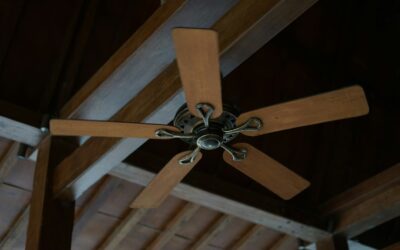
That little switch on the side of your ceiling fan is one of the most overlooked comfort tools in the house, and most people never touch it. Running your fans counter clockwise in the warm months is the key to that pleasant cooling breeze, because spinning forward pushes air straight down and creates a wind-chill effect on your skin. Flip the same fan to clockwise in winter and it does the opposite, gently recirculating warm air without a draft. Knowing which direction to use, and how to change it, makes your fan work harder for your comfort and your energy bill year-round.
- Why Direction Matters
- Summer: Counterclockwise for a Cooling Breeze
- Winter: Clockwise to Circulate Warm Air
- How to Change the Direction
- A Quick Way to Remember
- Get the Most From Your Fan
- Does Fan Direction Really Save Money?
- Fan Direction in Different Rooms
- Troubleshooting the Switch
- The Bottom Line
Why Direction Matters
A ceiling fan does not actually change a room’s temperature, it moves air, and the direction of that airflow determines whether you feel cooler or whether warm air gets redistributed. The angled blades act like a paddle, pushing air up or down depending on which way they spin. Match the direction to the season and you get real comfort benefits; leave it on the wrong setting and the fan works against you.
Summer: Counterclockwise for a Cooling Breeze
In summer, set your fan to spin counterclockwise (also called the forward direction). Spinning this way, the blades push air down into the room, creating a steady downdraft you feel as a breeze. That moving air evaporates moisture from your skin and produces a wind-chill effect, making you feel several degrees cooler even though the room temperature has not changed.
This effect lets you raise your thermostat a few degrees while staying comfortable, which can meaningfully cut air-conditioning costs. To check the direction, stand directly under the running fan, if you feel air blowing down on you, it is set correctly for summer.
Winter: Clockwise to Circulate Warm Air
In winter, reverse the fan to spin clockwise on a low speed. Warm air naturally rises and collects near the ceiling, where it does you no good. A clockwise fan on low pulls room air up the center and pushes the trapped warm air gently down along the walls and back into the living space, all without creating a chilling draft.
The key is running it slow. At a low speed, you redistribute heat and even out the room’s temperature, which can let you lower your thermostat slightly and reduce heating costs. Run it too fast in winter and you create an unwanted draft that defeats the purpose.
How to Change the Direction
Switching directions is quick once you know where to look:
- Turn the fan off and wait for the blades to come to a complete stop.
- Locate the direction switch on the side of the motor housing (the body of the fan above the blades).
- Flip the toggle switch to the opposite position.
- Turn the fan back on and stand underneath to confirm the airflow direction.
Many modern fans with remotes or wall controls let you reverse direction with a button instead of a physical switch, check your remote or the fan’s manual. Either way, the change takes less than a minute.
A Quick Way to Remember
If you can never recall which way is which, use these simple cues:
- Summer = counterclockwise (forward) = air blows down = cooling breeze.
- Winter = clockwise (reverse) = air pulled up = warm air spread around.
An easy memory trick: in summer you want to feel the wind, so the fan blows down on you. In winter you do not want a draft, so it pulls air up instead.
Get the Most From Your Fan
A few extra habits maximize the benefit. Turn fans off when you leave a room, since they cool people, not spaces, and running an empty room’s fan just wastes electricity. Pair counterclockwise summer use with a higher thermostat setting to save on cooling. Make sure the fan is the right size for the room, an undersized fan in a large room moves too little air to matter. And dust the blades regularly; a buildup of grime unbalances the fan and reduces airflow.
Does Fan Direction Really Save Money?
The savings are real but indirect, since a fan does not heat or cool the air itself. In summer, running fans counterclockwise lets you raise the thermostat by around 4 degrees without feeling less comfortable, because the breeze creates a wind-chill effect on your skin. Since air conditioning is one of the largest energy costs in a home, that small thermostat bump adds up over a season. In winter, a clockwise fan on low pushes trapped warm air back down, so your heating system does not have to work as hard to keep the living space comfortable. The catch is that you must turn fans off in empty rooms, a running fan with no one to feel the breeze just wastes electricity and adds heat from the motor.
Fan Direction in Different Rooms
The same seasonal logic applies room by room, with a few twists. In bedrooms, a counterclockwise summer breeze on medium speed is great for sleep, while a low clockwise winter setting keeps the room cozy without a draft over the bed. In kitchens, a counterclockwise fan helps clear heat and cooking odors. In rooms with very high or vaulted ceilings, the winter clockwise setting is especially valuable, since that is exactly where the most warm air gets stranded near the ceiling. For tall spaces, make sure the fan hangs at an effective height with a downrod so it can actually move the air in the occupied zone below.
Troubleshooting the Switch
If your fan does not seem to change direction, double-check that you waited for a full stop before flipping the switch, and confirm the toggle clicked fully into the opposite position. On remote-controlled models, the reverse function may be a separate button or a setting in the app. If airflow feels weak in either direction, verify the fan is on the correct speed, low for winter, higher for summer, and that the blades are clean and properly seated.
The Bottom Line
Setting your fans counter clockwise in summer and clockwise in winter is a free, effortless way to feel more comfortable and trim your energy bills. Counterclockwise pushes cool air down for a breeze when it is hot; clockwise on low circulates trapped warm air when it is cold. Find the toggle switch on the motor housing, flip it with the season, and let that overlooked little switch do its job all year long.