
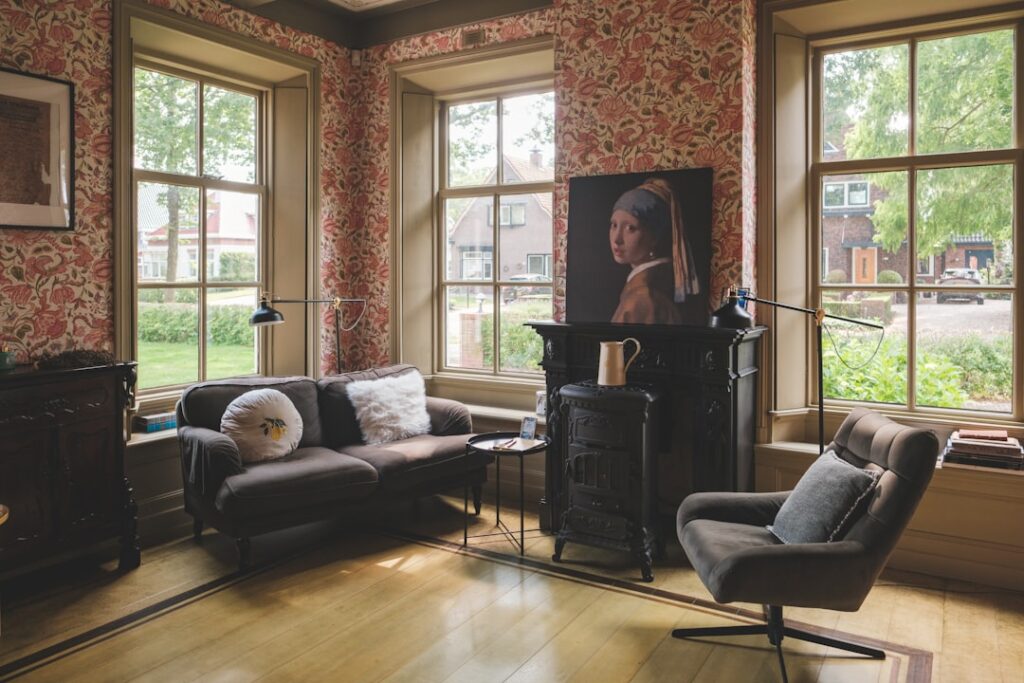
Flat walls are efficient but forgettable. Faux painting adds the depth, texture, and visual interest that solid colors cannot. The techniques borrow from Italian plaster traditions, French chateau walls, and American craftsman interiors, and they all share one truth: the base coat matters more than the fancy overlay. A sloppy base ruins the most careful glaze. A solid base makes even a simple sponge technique look professional. Here is how the popular techniques work and which ones give the biggest payoff for the time invested.
Part of our Paint & Walls guide — explore the full guide →
Popular Faux Techniques to Know
Each technique creates a different visual effect and requires different tools. Pick one based on the look you want, not the other way around.
- Color washing: Soft, cloud-like color variation created with a diluted glaze applied in circular motions
- Ragging: Cloth bunched and rolled across wet glaze to create organic texture
- Sponging: Natural sea sponge dabbed into or pulled off wet glaze for dappled effect
- Strie: Dry brush dragged through wet glaze to create subtle vertical lines like fabric
- Venetian plaster: Multiple thin layers of tinted plaster burnished to a polished marble look
- Metallic glazes: Bronze, copper, or gold pigments over a base for old-world elegance
- Linen effect: Brushed in crosshatch patterns to mimic woven fabric
For beginners, color washing and ragging are the most forgiving. Mistakes blend into the overall texture, and touching up does not leave obvious patches. Strie and Venetian plaster demand more skill and careful application to look right.
What a Glaze Actually Is
A glaze is a translucent medium tinted with paint colorant. Unlike standard paint, it stays workable for 15-30 minutes after application, giving you time to manipulate the surface. Commercial glazes from Valspar, Behr, and Benjamin Moore cost $25-40 per quart and mix 1:1 to 4:1 with latex paint depending on opacity.
The glaze’s working time is the key variable. Too short and you cannot finish a wall before it skins over. Too long and drips and runs ruin the effect. Hot dry rooms shrink working time; cool humid rooms extend it. Test a small section first to gauge your specific conditions.
Base Coat Preparation
Faux painting lives or dies by the base. Use a satin or eggshell latex in a color that harmonizes with your intended glaze. High gloss is too slick and prevents glaze from grabbing. Flat absorbs too much glaze and kills the translucent effect.
- Fill and sand holes and cracks; bad drywall shows through any glaze
- Apply two coats of quality latex in eggshell or satin finish
- Allow 48 hours minimum cure time before applying glaze
- Clean the surface with a tack cloth to remove dust
- Protect trim, ceiling, and floor with tape and drop cloths
The base color should be lighter than the glaze in most cases. Light-to-dark layering creates the illusion of depth. Dark-to-light works but produces a more dramatic, aged effect.
Color Washing Step by Step
Color washing produces the most natural-looking texture of any faux technique and works well on almost any wall. Mix 1 part paint to 4 parts glaze. Work in 3×3 foot sections so the glaze stays wet.
Brush the glaze onto the wall in random X patterns with a wide natural-bristle brush. Do not try to cover the surface evenly; leave gaps where the base shows through. Then take a clean dry rag or cheesecloth and wipe the glaze in gentle circular motions. The rag picks up glaze in some spots and leaves it in others, creating the soft mottled look.
Blend between sections while both are wet so seams disappear. Hard edges between sections are the number one mistake beginners make. Work quickly and always feather into the previous section.
Ragging Technique
Ragging is a variation of color washing that creates more defined texture. After brushing glaze onto the wall, bunch a clean cotton rag into a loose ball and dab it across the surface. Each dab picks up glaze and leaves behind a distinct pattern.
Change the orientation of the rag frequently to avoid repeating patterns. Every 10 dabs or so, refold the rag to expose a cleaner surface. A used rag loses effectiveness and leaves smears instead of crisp patterns.
For a softer effect, roll the rag along the wall instead of dabbing. This is called rag rolling and produces more elongated texture that works well in traditional dining rooms and bedrooms.
Venetian Plaster: The Premium Technique
Authentic Venetian plaster uses tinted lime or acrylic plaster applied in 2-4 thin layers with a stainless steel trowel. Each layer is burnished smooth before the next goes on. The result is a deep, polished surface that looks like marble or stone.
Behr and Valspar sell DIY kits with premixed plaster in several colors for $40-60 per gallon. Each layer needs 4-8 hours of dry time before the next. The final burnish with fine steel wool or a clean trowel creates the characteristic sheen. Plan on two full days for a single accent wall.
Venetian plaster works best on small feature walls in dining rooms, entryways, and powder rooms. A full bedroom of plaster feels overwhelming. Save it for spaces where the detail rewards close inspection.
Tools You Will Actually Use
Beyond standard painting supplies, faux work requires a few specialized tools.
- Natural sea sponges (real ones, not synthetic): $8-15 each for sponging
- Cotton terry rags or cheesecloth by the pound: $15-25 for a bag
- Wide natural-bristle brush, 4-5 inch: $25-40
- Soft china bristle brush for feathering: $15-25
- Stainless steel trowel for Venetian plaster: $20-30
- Glaze buckets, stir sticks, and 5-gallon mixing container
Skip the novelty faux painting kits with printed instructions and bundled tools; the included brushes and sponges are typically poor quality. Buy professional-grade components individually.
Common Mistakes to Avoid
Working too slowly is the most frequent error. Glaze skins over within 15-20 minutes, and once it starts to dry, any manipulation creates hard edges and lap marks. Always work in sections you can finish in the glaze’s open time.
Over-texturing is the second common mistake. Beginners keep working the surface trying to perfect it, which removes the natural-looking inconsistency that makes faux work interesting. Stop earlier than you think. If the effect looks subtle, it is probably just right.
Where Faux Painting Still Works Today
Full faux-treated rooms peaked in the early 2000s and have fallen out of fashion. Modern applications focus on single accent walls, ceiling treatments, powder rooms, and entryways. A Venetian plaster accent behind a bed or dining table feels current and elegant. A whole house of sponged walls feels dated.
Used strategically, faux painting adds custom character without the cost of wallpaper, tile, or paneling. Pick one technique, execute it well on one or two focal areas, and the effect reads as intentional design rather than leftover trend.


