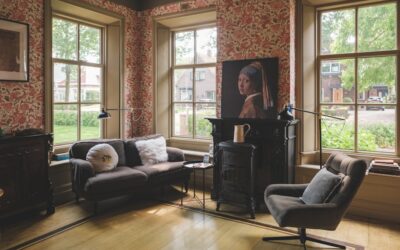
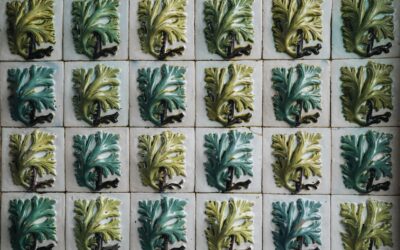
Faux finishes had their moment in the late 1990s, disappeared in the flat-paint 2010s, and have come roaring back as limewash, Venetian plaster, and color-wash effects dominate Pinterest boards. Modern faux painting techniques read more sophisticated than the gold-flecked living rooms of 1998 because the tools, glazes, and palettes have evolved. Whether you want a single dramatic accent wall or a furniture piece that looks like it came from a Paris flea market, the eight techniques below cover the range from beginner-friendly to weekend-project-with-a-podcast.
Part of our Paint & Walls guide — explore the full guide →
Sponging
Sponging is the gateway faux finish — quick to learn, forgiving of mistakes, and effective on small walls. Apply a base coat in your lighter color, let it dry, then dab on a tinted glaze with a sea sponge. The natural irregular pattern of the sponge gives an organic, textured look.
For glaze, mix one part Benjamin Moore Studio Finishes Latex Glaze (or Modern Masters Decorative Glaze) with two parts paint. The longer working time lets you blend mistakes. Sea sponges run $5 to $12 — synthetic sponges leave a uniform pattern that looks fake.
Ragging and Rag Rolling
Ragging gives a soft, fabric-like texture with more depth than sponging. Apply glaze with a brush, then press a bunched cotton rag (an old T-shirt works) into the wet glaze to lift portions away. Rotate the rag often as it loads with paint.
Rag rolling uses a tube of bunched cloth rolled across the wet glaze for a more directional pattern. Both techniques work best in muted color combinations — beige over cream, soft gray over white, dusty blue over pale gray. Bold contrasts read busy.
Color Washing
Color washing creates the soft, sun-aged-plaster look that has been everywhere in modern farmhouses and Mediterranean revivals. Apply a heavily diluted glaze (1 part paint to 4 parts glaze) over a base coat, then drag a damp brush in random crisscross strokes to soften and blend.
The technique is forgiving — every brush mark adds to the layered effect. Pick analogous colors only one or two shades apart for a watercolor look. Going darker than two shades over the base creates streaking that looks like water damage.
Venetian Plaster
Venetian plaster is the show-stopper of the faux world — polished, luminous, and traditionally hand-troweled in 3 to 7 layers. Modern products like Modern Masters Venetian Plaster and Behr Premium Plus Venetian Plaster cut the labor to 2 or 3 coats while keeping the depth.
The workflow runs:
- Prime walls with a tinted primer near your final color
- Apply the first plaster coat with a stainless steel trowel held at a low angle
- Let dry, then apply a second coat in random directional strokes
- Let dry, then burnish with the trowel using firm pressure to bring up the polish
- Optional wax coat for extra sheen and protection
Plan on $3 to $5 per sq ft in materials. The technique needs a steady hand and rewards practice on a sample board first.
Limewash
Limewash is the trendiest faux finish of the past five years — chalky, mottled, and authentically old-world. Real limewash (Romabio Classico, Bauwerk) is calcium hydroxide and pigment that bonds chemically to mineral surfaces. Faux limewash paints (Behr Premium Plus Limewash, Magnolia Faux Limewash) approximate the look on drywall.
Application is forgiving. Brush on with a long-bristle brush in random strokes, working wet-on-wet to blend. The finish dries chalky and lightens substantially. Two coats give the typical mottled limewash look; one coat reads as a wash.
Strie and Linen Effects
Strie creates fine vertical lines that mimic linen, silk, or grasscloth. Apply a glaze over the base coat, then drag a long-bristle natural brush vertically through the wet glaze in a single continuous pull from ceiling to baseboard.
The technique requires a steady hand and works best in dining rooms, libraries, and powder rooms where the formal look fits. Two people working together — one applying glaze, one dragging — keep the wet edge moving.
Distressing and Aged Finishes
Distressing applies more to furniture than walls. The classic chalk-paint-and-wax workflow:
- Apply Annie Sloan Chalk Paint or Behr Chalk Decorative Paint in 1 or 2 coats
- Let dry, then sand edges, corners, and high spots with 120-grit paper to expose underlying wood or paint
- Apply clear wax with a wax brush, working in sections
- Optional dark wax in crevices for depth, then buff
The look ages a piece by 50 to 100 years in an afternoon. Dressers, mantels, and built-in shelving all take to it.
Metallic and Pearlized Finishes
Metallics have come a long way from the dated gold sponging of the 1990s. Modern Masters Metallic Paints in Champagne, Pewter, and Warm Silver brush on like regular latex but cure to a leaf-like sheen. Use them sparingly — single accent walls, ceiling insets, or furniture pieces. A whole room in metallic reads as a hotel ballroom.
Pearlized glazes (Modern Masters Pearl Iridescent) layered over a colored base catch raking light in changing tones. Excellent for tray-ceiling insets and fireplace surrounds.
Tools That Make a Difference
Cheap tools ruin faux finishes. Spend on:
- Natural sea sponges, not synthetic
- Long-bristle natural-fiber brushes for color washing and strie
- Stainless steel trowels with rounded corners for Venetian plaster
- Wax brushes and clean lint-free rags for chalk paint finishes
- Painter’s pyramids or sawhorses for furniture
Practice every technique on a 2×2 ft sample board before committing to a wall. Faux finishes are forgiving in glaze but unforgiving once dry — the only fix for a bad result is a base-coat reset.
Frequently Asked Questions
What is the easiest faux painting technique for beginners?
Color washing. The diluted glaze and random brush strokes are forgiving of mistakes.
How long does Venetian plaster take to dry?
4 to 8 hours between coats; 24 hours before burnishing or waxing.
Can I do limewash over painted walls?
Yes with paint-based products like Behr Premium Plus Limewash. True mineral limewash needs a porous surface.
How much does faux painting cost compared to flat paint?
Materials run 2 to 4 times standard paint; pro labor runs $4 to $12 per sq ft versus $1 to $3 for flat.
Are faux finishes outdated?
Old gold-glaze and tuscan styles, yes. Modern limewash, Venetian plaster, and tone-on-tone color wash are very current.