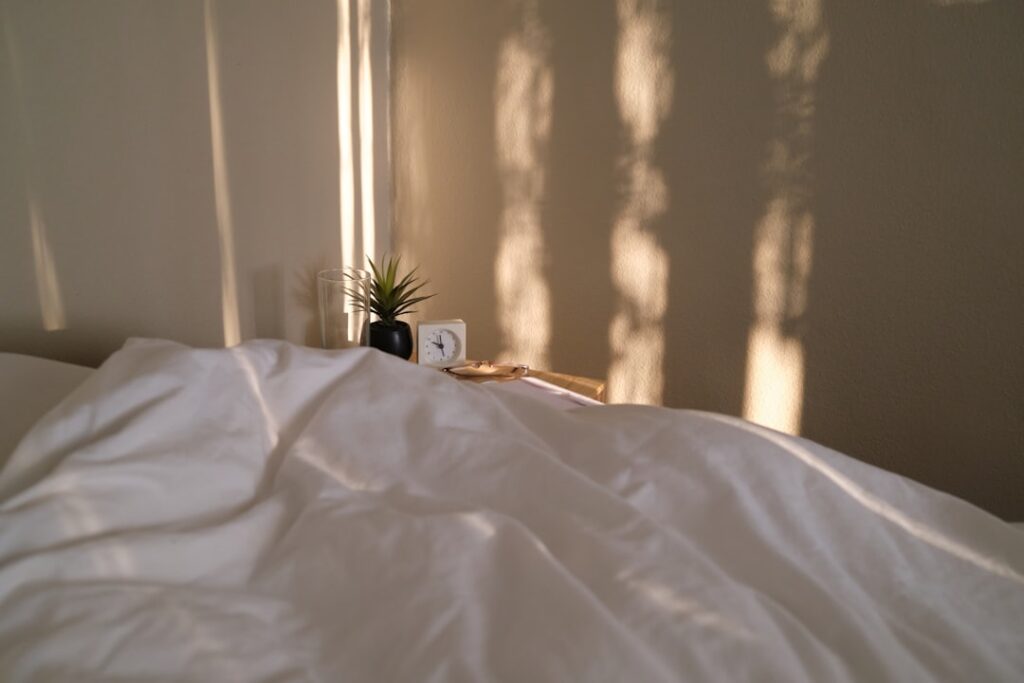
Your bedroom should be a sanctuary of rest and rejuvenation, and a proper feng shui bedroom layout can make a measurable difference in sleep quality, stress levels, and overall well-being. Feng shui, the ancient Chinese practice of harmonizing spaces with natural energy flow (chi), offers time-tested principles for arranging your bedroom to promote better sleep, stronger relationships, and a calmer mind.
This guide covers the essential feng shui bedroom layout rules, provides practical floor plan examples, and helps you transform your bedroom into a balanced, restorative space.
- Feng Shui Basics for Bedrooms
- The Commanding Position: Bed Placement Rules
- Feng Shui Floor Plan Examples
- Furniture Arrangement Guidelines
- Best Feng Shui Bedroom Colors
- Flooring Choices for Feng Shui Bedrooms
- The Five Elements in Bedroom Design
- Common Feng Shui Bedroom Mistakes
- Feng Shui Tips for Small Bedrooms
- Frequently Asked Questions
- What is the best direction for a bed to face in feng shui?
- Can I have a mirror in my feng shui bedroom?
- Should I have plants in the bedroom for good feng shui?
- What flooring is best for a feng shui bedroom?
- Is it bad feng shui to have a TV in the bedroom?
- How do I feng shui a bedroom I share with my partner?
- Is sleeping with a mattress on the floor bad feng shui?
- Where should the bed go in a bedroom with two windows?
- How do you feng shui a long, narrow bedroom?
- Is it bad feng shui if the bed is on the same wall as the door?
- Can you have a bookcase in a feng shui bedroom?
Feng Shui Basics for Bedrooms
Feng shui (pronounced “fung shway”) literally translates to “wind-water” and is based on the principle that the arrangement of objects in a space affects the flow of life energy, or chi. In the bedroom, the goal is to create a calm, balanced environment that supports deep sleep and intimate connection.
The core principles of a feng shui bedroom layout include:
- Commanding position: Placing the bed where you can see the door without being directly in line with it.
- Balance and symmetry: Using pairs of items (nightstands, lamps) to create visual equilibrium.
- Minimal clutter: Keeping surfaces clear and under-bed storage to a minimum.
- Yin energy dominance: Favoring soft lighting, muted colors, and natural materials that promote rest over activity.
- Intentional element placement: Incorporating the five elements (wood, fire, earth, metal, water) in balanced proportions.
The Commanding Position: Bed Placement Rules
The single most important rule in feng shui bedroom layout is placing the bed in the “commanding position.” This means:
- The bed should face the door so you can see anyone entering while lying in bed.
- The bed should not be directly in line with the door (this is called the “coffin position” in feng shui and is considered very unfavorable).
- Place the bed diagonally opposite the door when possible – this is the ideal commanding position.
- The headboard should be against a solid wall (not a window, not a shared bathroom wall).
- Leave space on both sides of the bed for balanced chi flow and equal access for both partners.
Bed Placement Do’s and Don’ts
| Do | Don’t |
|---|---|
| Place bed diagonally from the door | Align bed directly with the door |
| Use a solid headboard against a wall | Place headboard under a window |
| Leave equal space on both sides | Push one side against a wall |
| Choose a wooden or upholstered headboard | Use a metal or barred headboard |
| Place bed away from bathroom walls | Share a wall with a toilet on the other side |
| Keep the bed away from heavy beams | Sleep directly under exposed ceiling beams |
If your room layout makes it impossible to avoid the door alignment, place a piece of furniture (like a bench or ottoman) at the foot of the bed to redirect chi energy before it reaches you.
Feng Shui Floor Plan Examples
Layout 1: Standard Rectangular Bedroom
For a typical 12 x 14-foot bedroom with the door on one short wall:
- Place the bed on the wall diagonal to the door, with the headboard on the long wall.
- Position matching nightstands with identical lamps on each side.
- Place a dresser or chest on the wall opposite the bed.
- Keep the path from the door clear and unobstructed.
- Add a small area rug on each side of the bed for warmth and grounding.
Layout 2: Master Bedroom With Ensuite
When a bathroom connects to the bedroom:
- Position the bed as far from the bathroom door as possible.
- Keep the bathroom door closed at night to prevent draining energy.
- If the bed must share a wall with the bathroom, place it away from the section behind the toilet.
- Use a folding screen or tall plant to create separation if the bathroom door faces the bed directly.
Layout 3: Small Bedroom (Under 120 Sq Ft)
In compact bedrooms, feng shui rules can be challenging but are still achievable:
- Prioritize the commanding position above all else, even if it means limited space on one side.
- Use wall-mounted shelves instead of bulky nightstands to maintain open floor space.
- Choose a bed with legs (not a platform base) to allow chi to flow beneath.
- Use a mirror on the wall opposite the window (not facing the bed) to expand the sense of space.
Furniture Arrangement Guidelines
Beyond the bed, every piece of furniture in the bedroom affects the feng shui energy:
Nightstands
Always use two matching nightstands, one on each side of the bed. This creates balance and equality in the room, which is especially important for couples. The nightstands do not need to be identical, but they should be similar in size and visual weight.
Dressers and Storage
Keep large storage pieces against walls, not blocking pathways. Avoid placing dressers with mirrors that reflect the bed (more on mirrors below). Consider creative storage solutions to minimize visible clutter.
Desks and Work Areas
Feng shui strongly advises against having a desk or workspace in the bedroom. The active, yang energy of work conflicts with the restful, yin energy needed for sleep. If you must have a desk in the bedroom, use a screen or curtain to separate it from the sleeping area at night.
Mirrors
This is one of the most debated topics in feng shui. The general consensus is:
- Do not place mirrors directly facing the bed.
- Do not use mirrored closet doors that reflect the bed.
- Small mirrors on side walls are acceptable.
- Cover or angle large mirrors away from the bed at night if removal is not possible.
Best Feng Shui Bedroom Colors
Color strongly influences the energy of a bedroom. Feng shui recommends earth tones and soft, warm colors for the bedroom to promote rest:
| Color | Feng Shui Element | Energy | Best For |
|---|---|---|---|
| Warm beige / cream | Earth | Stability, grounding | Any bedroom |
| Soft terracotta | Earth | Warmth, nourishment | Master bedrooms |
| Pale pink / blush | Fire (soft) | Love, romance | Couple bedrooms |
| Soft lavender | Fire (soft) | Calm, spirituality | Relaxation focus |
| Warm white | Metal | Clarity, freshness | Small bedrooms |
| Sage green | Wood | Growth, health | Guest bedrooms |
| Chocolate brown | Earth | Support, cocooning | Large bedrooms |
Colors to avoid in bedrooms: Bright red (too stimulating), black (too heavy), bright blue (too active), and neon or electric tones of any color.
Flooring Choices for Feng Shui Bedrooms
The floor is the foundation of your bedroom’s energy. Feng shui principles favor natural materials that connect to the earth element:
| Flooring Type | Feng Shui Rating | Element | Notes |
|---|---|---|---|
| Hardwood | Excellent | Wood | Natural, warm, promotes growth energy |
| Bamboo | Excellent | Wood | Sustainable, strong wood energy |
| Cork | Very good | Wood / Earth | Warm, soft, sound-absorbing |
| Carpet | Good | Earth | Soft and grounding, but can trap stagnant energy |
| Laminate | Moderate | Depends on finish | Acceptable with wood-look finishes |
| Luxury vinyl | Moderate | Depends on finish | Use wood-look options for better energy |
| Tile | Less ideal | Earth / Water | Too cold and hard for bedrooms, use rugs |
Regardless of flooring type, use area rugs to soften the floor energy and add warmth. Place a rug under the bed extending 2 to 3 feet on each side, or use matching runners on each side. Choose natural fiber rugs like wool, cotton, or jute for the best feng shui energy. Read our guide on hardwood floor installation if you are considering upgrading your bedroom flooring.
The Five Elements in Bedroom Design
Feng shui uses five elements to create balance. Each element should be present in your bedroom, but in restful proportions:
- Wood: Represented by wooden furniture, plants (sparingly), green accents, and hardwood floors. Promotes growth and vitality.
- Fire: Represented by candles, warm lighting, triangular shapes, and pink or red accents. Use sparingly – too much fire energy disrupts sleep.
- Earth: Represented by ceramics, crystals, square shapes, and earth-tone colors. Provides stability and grounding – this should be the dominant element in bedrooms.
- Metal: Represented by metal frames, white and gray colors, round shapes, and metallic accents. Promotes clarity and precision – use in moderation.
- Water: Represented by mirrors, glass, wavy shapes, and blue or black colors. Keep water energy minimal in bedrooms – avoid aquariums, fountains, or large water imagery.
Common Feng Shui Bedroom Mistakes
These are the most frequent errors people make when trying to implement a feng shui bedroom layout:
- Bed directly in line with the door: The “coffin position” creates restless energy and poor sleep.
- Mirror facing the bed: Traditional feng shui believes mirrors bounce energy around the room, causing restlessness and even attracting third-party interference in relationships.
- Clutter under the bed: Storing items under the bed blocks chi flow and creates stagnant energy that you sleep above. If you must use under-bed storage, keep it organized and limit it to soft items like bedding and seasonal clothing.
- Electronics in the bedroom: TVs, laptops, and phones emit active energy that conflicts with rest. At minimum, turn off all screens 30 minutes before sleep and keep devices away from the bedside.
- Too many plants: While plants represent wood energy, too many in the bedroom create excess yang (active) energy. Limit to one or two small plants, and avoid large leafy plants or cacti.
- Exercise equipment in the bedroom: Treadmills, weights, and exercise bikes radiate intense yang energy. Keep workout equipment in a separate room.
- Asymmetrical bedside arrangement: Having a nightstand on only one side of the bed creates imbalance, which feng shui associates with unequal partnerships.
- Exposed ceiling beams above the bed: Beams create downward pressure on the sleeper. If beams cannot be removed, drape fabric to soften their visual impact or reposition the bed.
Feng Shui Tips for Small Bedrooms
Small bedrooms require creative solutions to maintain good feng shui:
- Choose a bed appropriately sized for the room. A king-size bed in a small room overwhelms the space and blocks chi flow. A queen or full-size bed with adequate clearance is better.
- Use light, warm colors on walls to expand the visual space.
- Minimize furniture to the essentials: bed, nightstands, and one storage piece.
- Use vertical space with wall-mounted shelves and sconces instead of table lamps and bedside tables.
- Keep the door area completely clear. In small rooms, furniture near the door blocks chi from entering.
- Choose light-colored flooring to make the room feel more spacious and airy.
- Use one strategically placed mirror on a side wall (not facing the bed) to reflect natural light and expand the sense of space.
Frequently Asked Questions
What is the best direction for a bed to face in feng shui?
The best direction depends on your personal Kua number, which is calculated from your birth year. However, the universal rule is that the bed should face the door (so you can see it) without being directly in line with it. The headboard should rest against a solid wall, ideally on the wall diagonal to the entrance.
Can I have a mirror in my feng shui bedroom?
You can, but it should not directly reflect the bed. Place mirrors on side walls or inside closet doors. If you have a large mirror or mirrored closet doors that face the bed, consider covering them with a curtain or screen at night.
Should I have plants in the bedroom for good feng shui?
Plants are acceptable in moderation. Limit yourself to one or two small, soft-leafed plants like peace lilies or snake plants. Avoid large, fast-growing plants, cacti, or spiky plants, which create aggressive energy. Never place plants directly next to the bed.
What flooring is best for a feng shui bedroom?
Natural hardwood or bamboo flooring is considered ideal for feng shui bedrooms because it provides warm, natural wood element energy. Regardless of the flooring type, add soft area rugs for earth energy grounding. Avoid cold, hard surfaces like polished tile or stone without rugs.
Is it bad feng shui to have a TV in the bedroom?
Yes, traditional feng shui considers TVs and electronic devices disruptive to bedroom energy. If you must have a TV, place it inside a cabinet that can be closed when not in use, or cover the screen at night with a cloth. The reflective screen acts like a mirror, which is also problematic in feng shui.
How do I feng shui a bedroom I share with my partner?
Balance and symmetry are key. Use matching nightstands and lamps, ensure equal access to both sides of the bed, choose artwork and decor that represents partnership (pairs, not singles), and avoid displaying photos of family members or children in the bedroom. The bedroom should focus on the couple relationship.
Is sleeping with a mattress on the floor bad feng shui?
Feng shui generally discourages it. A mattress directly on the floor blocks air and energy from circulating beneath you and sits close to dust and the floor’s low, stagnant energy. A bed frame with legs that leaves several inches of open space underneath is preferred. If a low platform or floor bed is unavoidable, keep the area around it very clean and uncluttered.
Where should the bed go in a bedroom with two windows?
Place the headboard against the most solid wall available, ideally one without a window, while still seeing the door without being in line with it. If every option puts the bed near a window, use a tall, solid headboard and close heavy curtains at night to create the sense of support. Avoid placing the bed between two windows where air and light cross over it.
How do you feng shui a long, narrow bedroom?
Divide the room into zones so the bed sits in its own restful area, ideally toward the end farthest from the door, with the headboard on a solid wall. Use a rug, a low bench, or a screen to mark off a dressing or vanity zone at the other end. Keep the path from the door clear, and add soft lighting and round shapes to break up the tunnel effect.
Is it bad feng shui if the bed is on the same wall as the door?
It is considered weaker than the commanding position, because you cannot see the door from bed and people enter right beside you. If no other wall works, place the bed as far along that wall from the door as possible. A mirror placed where you can see the doorway from bed, without it reflecting the bed itself, is a common feng shui remedy.
Can you have a bookcase in a feng shui bedroom?
Yes, in moderation. Closed cabinets or bookcases with doors are preferred, since rows of open shelves facing the bed are thought to create sharp, cutting energy and visual clutter. Keep any open shelves tidy, place them on a side wall rather than directly facing or above the bed, and choose calming books over work materials.
Last updated: March 2026