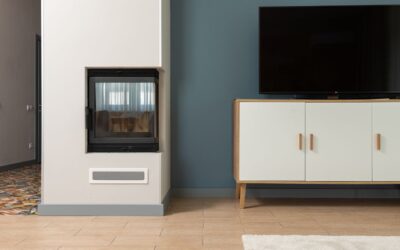
Trim trends have shifted decisively toward simplicity, and nothing captures that better than clean, square trim at the floor line. Flat baseboard trades the curves and ornate profiles of traditional molding for a crisp, rectangular shape that suits modern, minimalist, and transitional homes. It looks architectural, collects less dust in its grooves, and pairs beautifully with square door casings for a cohesive contemporary aesthetic.
What Makes a Baseboard “Flat”
Flat baseboard is essentially a smooth, rectangular board with a flat face and a square or very slightly detailed top edge, as opposed to the sculpted curves of colonial or ogee profiles. Some versions are completely plain, while others add a single small step or reveal near the top for subtle definition without any curves.
The look reads clean and intentional. Because there are no deep grooves or rounded recesses, flat baseboard catches less dust and is faster to wipe down. That simplicity is exactly why designers favor it in modern builds, lofts, and renovations aiming for an updated feel.
Common Flat Baseboard Styles
Even within the flat category, you have choices that change the final look.
- Pure flat (square stock): A plain rectangular board with crisp 90-degree edges. The most minimal option.
- Flat with a reveal: A small step or groove near the top adds a shadow line and visual interest while staying modern.
- Flat with eased top: The top edge is gently softened so it sheds dust and resists chipping, without looking traditional.
- Flat with base shoe: A thin square strip at the bottom covers floor gaps while keeping the squared-off theme.
For the most current look, many homeowners pair tall flat baseboard with matching flat door and window casing, creating a unified, gallery-like frame throughout the home.
Material Choices
Flat baseboard comes in the same materials as any trim, each with trade-offs.
- MDF: The most popular choice for painted flat baseboard. It is smooth, affordable, comes pre-primed, and its flat faces show no wood grain, giving a perfectly even painted finish. Avoid it in wet areas.
- Solid wood: Poplar and pine take paint well; for a stained or natural modern look, hardwoods like oak or maple show clean grain on the flat face.
- PVC or composite: Waterproof and ideal for bathrooms, basements, and laundry rooms.
- Pre-finished boards: Arrive ready to install in a factory color, skipping the painting step.
Because the flat face is so visible and uninterrupted, surface smoothness matters. MDF and finished hardwoods both deliver the clean plane the style depends on.
Choosing the Right Height and Thickness
Flat baseboard looks especially striking when it is tall. While traditional homes often use 3 to 4 inch trim, modern flat baseboard frequently runs 5 to 7 inches or more, which emphasizes the clean horizontal line and feels current.
Thickness matters too. A flat baseboard around 1/2 to 5/8 inch thick projects from the wall enough to cast a subtle shadow and feel substantial. Keep the height consistent across connected rooms, and consider matching it to your door casing width so the two read as a deliberate system rather than mismatched parts. Taller ceilings can carry taller baseboard comfortably.
Installation Tips
Installing flat baseboard is, in some ways, simpler than ornate trim because the square profile makes corners more forgiving.
- Measure each wall and plan cuts to minimize seams in visible areas.
- For inside corners, you can miter at 45 degrees, and because the face is flat, coping is easier than with curved profiles, though many installers simply miter.
- Cut outside corners with matching 45-degree miters for a clean point.
- Nail into studs with a finish nailer, keeping the bottom edge level and consistent.
- Fill nail holes with filler, sand smooth, and caulk the top edge where it meets the wall.
The flat face makes filling and sanding nail holes nearly invisible, one more reason this style is forgiving for DIYers.
Finishing for a Modern Look
How you finish flat baseboard defines the style. For a crisp contemporary feel, paint it in a clean white with a satin or semi-gloss sheen that wipes clean easily. For an ultra-modern, seamless look, paint the baseboard the same color as the walls so it disappears into the plane, which can make ceilings feel taller and rooms more expansive.
Another popular modern approach is painting flat baseboard a bold or dark color to contrast with light walls, turning the trim into a graphic design element. Whatever color you choose, prime bare material first and apply two thin coats for a smooth, durable finish. The flatness rewards careful painting, since any drips or roller texture show more on a smooth plane than on a busy profile.
Coordinating Flat Baseboard With Door Casing
The biggest visual payoff with flat trim comes from treating it as a system rather than a standalone element. When your flat baseboard, door casings, and window casings all share the same clean, square language, a room reads as deliberately designed. Mismatched profiles, like flat baseboard against curved colonial door trim, create a subtle visual conflict that most people feel without being able to name it.
A popular modern approach uses flat casing roughly the same width as the baseboard is tall, or close to it, so the elements feel proportionate. Where the baseboard meets a door casing, the two should die cleanly into each other; with square stock this junction is simple and crisp, with no awkward transition. Some designs add a small plinth block at the base of door casings, a slightly thicker square block that the baseboard butts into, giving a tailored, architectural detail. Whether you keep it minimal or add plinths, matching finishes across all trim, same color and same sheen, completes the cohesive look that makes flat baseboard feel intentional.
Is Flat Baseboard Right for Your Home
If your home leans modern, minimalist, Scandinavian, or transitional, flat baseboard is an easy yes. It reinforces clean lines, simplifies cleaning, and looks deliberate paired with square casings. In a heavily traditional or ornate home, very plain flat trim can feel slightly out of place, though a flat profile with a subtle reveal can bridge the gap.
For most renovations aiming to feel current and uncluttered, switching from dated rounded molding to tall flat baseboard is one of the most impactful, cost-effective updates you can make. It sharpens every room and sets a clean foundation for the rest of your design choices.