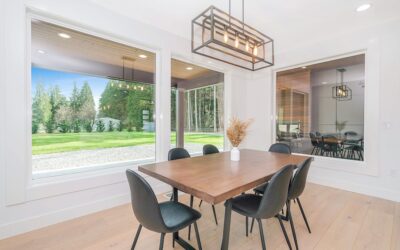
Modern baseboard trim is one of those finishing details that quietly defines whether a room feels current or dated. Where traditional homes used ornate, multi-stepped profiles, today’s interiors lean toward clean lines, taller heights, and minimal detail. The result is a crisp transition between wall and floor that reads as intentional and refined.
This guide covers the popular profiles, ideal heights, material choices, installation basics, and what you should expect to spend. Whether you are renovating a single room or finishing a whole house, the right baseboard ties your floors, walls, and doors together into a cohesive look.
What Makes a Baseboard “Modern”
Modern trim is defined by simplicity. Instead of curved ogees and layered reveals, you get flat or gently angled faces, square edges, and a single clean step where the profile meets the wall. Many designers favor a “shadow gap” or a reveal where the baseboard sits slightly proud of the drywall, creating a subtle line of shadow.
Color matters too. Crisp white remains common, but matching the baseboard to the wall color for a seamless, monolithic effect is increasingly popular. Some homeowners go bold with black or deep charcoal trim to frame a room with quiet drama.
Popular Modern Profiles
You do not need dozens of options to get a contemporary look. A handful of profiles dominate modern interiors.
- Flat or square-edge: A simple rectangular board with crisp 90-degree edges. The most minimal and most popular modern choice.
- Beveled or angled-top: A flat face with a single angled cut at the top, shedding dust and adding a subtle line.
- Stepped (reveal) profile: One or two clean steps for a slightly more detailed but still restrained look.
- Recessed or flush trim: Sits flush with the drywall for the most architectural, high-end result, though it requires planning during construction.
Choosing the Right Height
Height is where modern trim makes its biggest statement. Older homes often used 2.5- to 3.5-inch baseboards, but contemporary design favors taller boards of 5 to 7 inches, and sometimes 8 inches or more in rooms with tall ceilings. A taller baseboard grounds the room and makes ceilings feel higher by contrast.
A common rule of thumb is to scale the baseboard to your ceiling height. For 8-foot ceilings, a 5- to 6-inch board looks balanced. For 9- or 10-foot ceilings, step up to 6 to 8 inches. Keep the proportion consistent with door and window casing for a unified feel.
Material Options
The material you choose affects durability, cost, and how the trim handles moisture. Each has clear strengths.
- MDF (medium-density fiberboard): Smooth, affordable, and pre-primed, ideal for painted modern trim. Avoid in damp areas since it swells if it gets wet.
- Solid wood (pine, poplar, oak): Strong and paintable or stainable. Poplar is a favorite for painted work; oak suits stained, natural looks.
- PVC or composite: Waterproof and rot-proof, perfect for bathrooms, basements, and laundry rooms.
- Finger-jointed wood: A budget-friendly paint-grade option made from joined wood pieces.
Installation Basics
Installing baseboard is achievable for a confident DIYer, but precision matters because gaps and uneven joints are obvious on clean modern profiles. You will need a miter saw, a brad nailer or finish nails, a level, painter’s caulk, and wood filler.
- Measure each wall and cut pieces, using 45-degree miters at outside corners and coped joints at inside corners for tight seams.
- Check for level; on uneven floors, scribe the bottom edge to follow the contour.
- Nail into wall studs, keeping nails near the top and bottom of the board.
- Fill nail holes, caulk the top seam against the wall, and touch up with paint.
For flush or recessed trim, plan the detail before drywall goes up, since it requires a backing channel that is difficult to retrofit.
Cost Expectations
Budget both materials and labor. MDF baseboard runs roughly $1 to $3 per linear foot, solid wood $2 to $6, and PVC composite $3 to $7. A taller, wider profile costs more simply because it uses more material. For a 12-by-12 room, expect 40 to 50 linear feet of trim.
Professional installation typically adds $2 to $6 per linear foot depending on complexity, corners, and finish work. Painting adds a bit more. Whole-house installation by a finish carpenter can run several thousand dollars, but the upgrade dramatically lifts a home’s perceived quality.
Design Tips for a Cohesive Look
Keep your trim language consistent throughout the home. Mixing ornate trim in one room and minimal trim in the next breaks the flow. Match baseboard, casing, and any crown so they feel like one system. If you love the seamless look, paint the trim the same color and sheen as the walls, using a slightly more durable finish like satin or semi-gloss for scuff resistance.
Pair modern baseboards with simple door casing and avoid decorative corner blocks, which read as traditional. The cleaner you keep the lines, the more contemporary the result.
Painting and Finishing Modern Trim
The finish you apply is as important as the profile itself. Modern trim looks best with a smooth, factory-like surface, so prep matters. Fill nail holes and seams, sand them flush, and prime any bare wood before your topcoat. Skipping these steps leaves visible flaws that catch the eye on a clean profile.
For sheen, satin and semi-gloss are the go-to choices. They wipe clean easily and resist the scuffs that baseboards inevitably take from shoes, vacuums, and furniture. A true high-gloss reads as more traditional and highlights every imperfection, so most modern interiors stick to satin. If you are going for the seamless wall-and-trim look, use the same color on both but bump the trim up a half-step in durability with a wipeable finish.
Coordinating Trim With Your Flooring
Baseboards live at the exact line where your walls meet your floors, so they should work with both. With light or natural wood-look floors, crisp white trim creates a clean break, while matching the trim to a wall color produces a calm, uninterrupted backdrop. Dark floors pair strikingly with either bright white trim for contrast or matching dark trim for a bold, enveloping look.
Pay attention to the transition at the floor, too. On hard flooring like vinyl, tile, or hardwood, a small color-matched quarter round or shoe molding neatly covers the expansion gap. For the most minimal modern result, some homeowners undercut the drywall and run the flooring slightly under a flush baseboard, eliminating shoe molding entirely for that clean, architectural line.
Final Thoughts
Upgrading to modern baseboard trim is a high-impact, relatively affordable way to bring any room into the present. Choose a clean profile, scale the height to your ceilings, pick a material suited to the room, and keep your detailing consistent. Done well, this small finishing touch makes the whole space feel polished and thoughtfully designed.